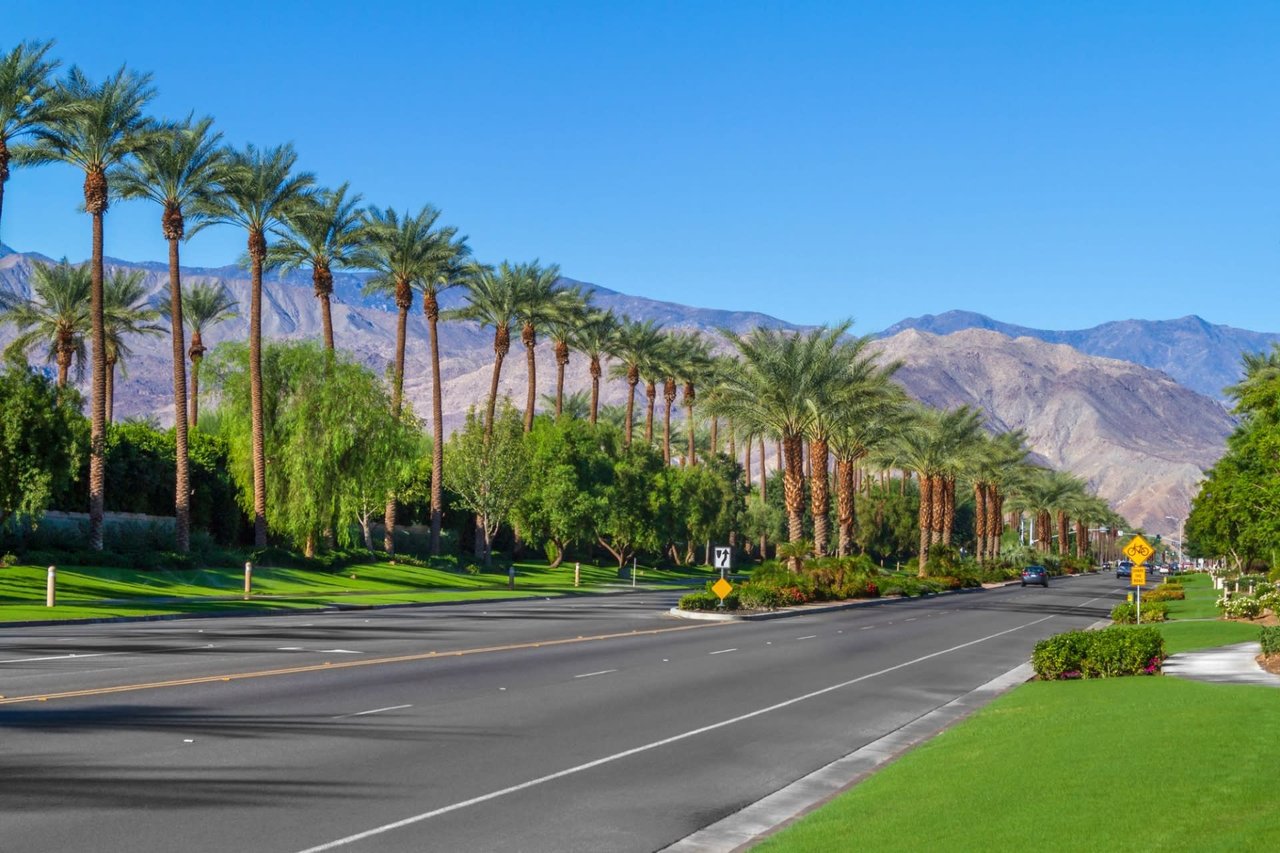
If you only look at the neighborhood-wide numbers, South Palm Desert reads like a market that's found its footing. Homes there sold in a median of 49 days over the past year, a touch faster than the year before, and June 2026 brought 15 closed sales compared with just 8 the same month in 2025. That's a market with real buyer activity moving through it at a reasonable pace.
Then you look at Ironwood Country Club, the community most people picture when they hear "South Palm Desert," and the pace nearly doubles. Recent snapshots put homes there sitting on the market anywhere from 97 to 119 days before they sell, against a national average closer to 56. That's not a rounding difference. That's a distinct, structural gap sitting inside a neighborhood that outsiders treat as one thing. The gap is the story, and it points to something buyers and sellers here both need to understand before they sign anything.
The Two Numbers That Don't Match
| South Palm Desert (overall) | Ironwood Country Club | |
|---|---|---|
| Median sale price | $677,000 (trailing 3 months to June 2026) | roughly $750,000 to $785,000 (trailing 12 months) |
| Year-over-year price change | down 23.9% | down roughly 8% to 14%, depending on the snapshot |
| Median days on market | 49 | 97 to 119 |
| Recent sales volume | 15 sold in June 2026, up from 8 a year prior | slower turnover, consistent with longer DOM |
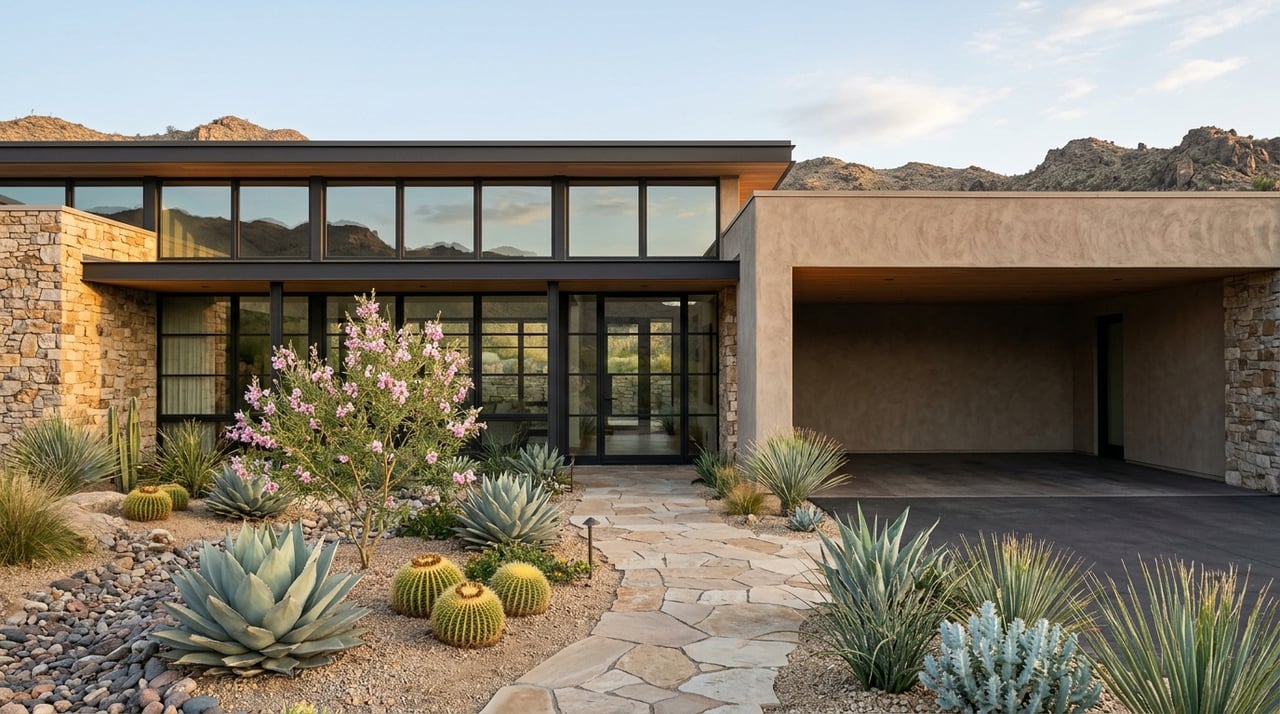
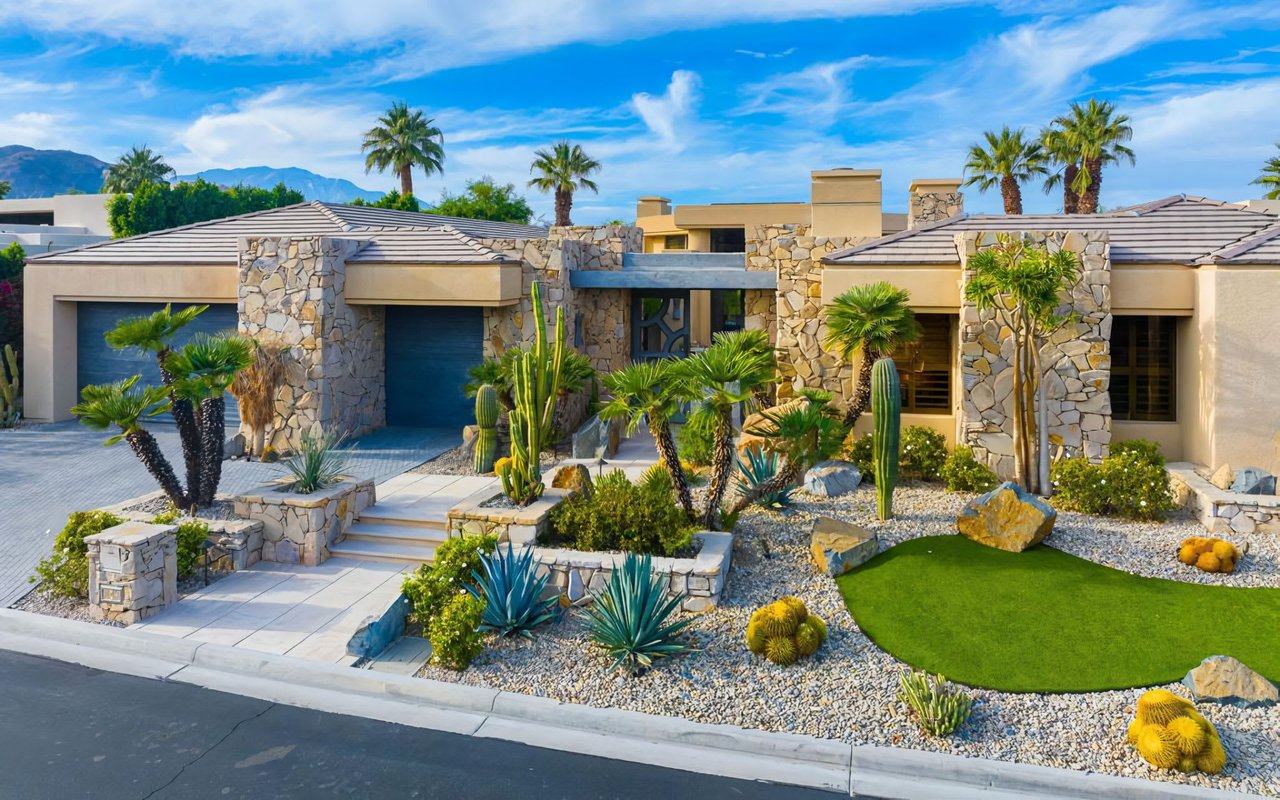
A neighborhood where the headline number moves fast and its flagship community moves slow isn't contradictory data. It's two different products wearing the same zip code. Ironwood carries a higher median price than the surrounding area, and it should. Two golf courses, a recently remodeled Tuscan-style clubhouse, and mountain-backed lots against the Santa Rosa Mountains justify a premium. But a premium doesn't buy speed. It buys scrutiny. And scrutiny, in a community whose first phase went in during the Nixon administration, tends to slow things down.
Built in the Early 1970s, Selling in 2026
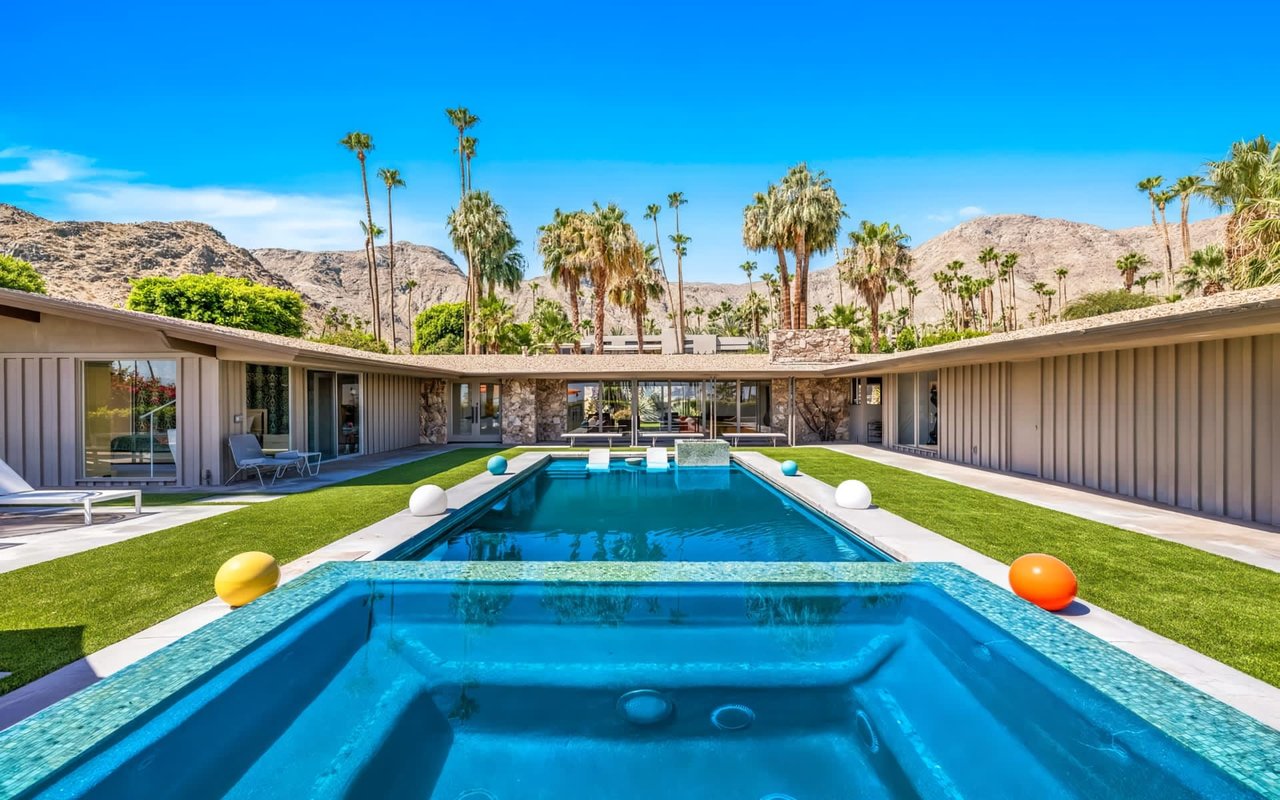
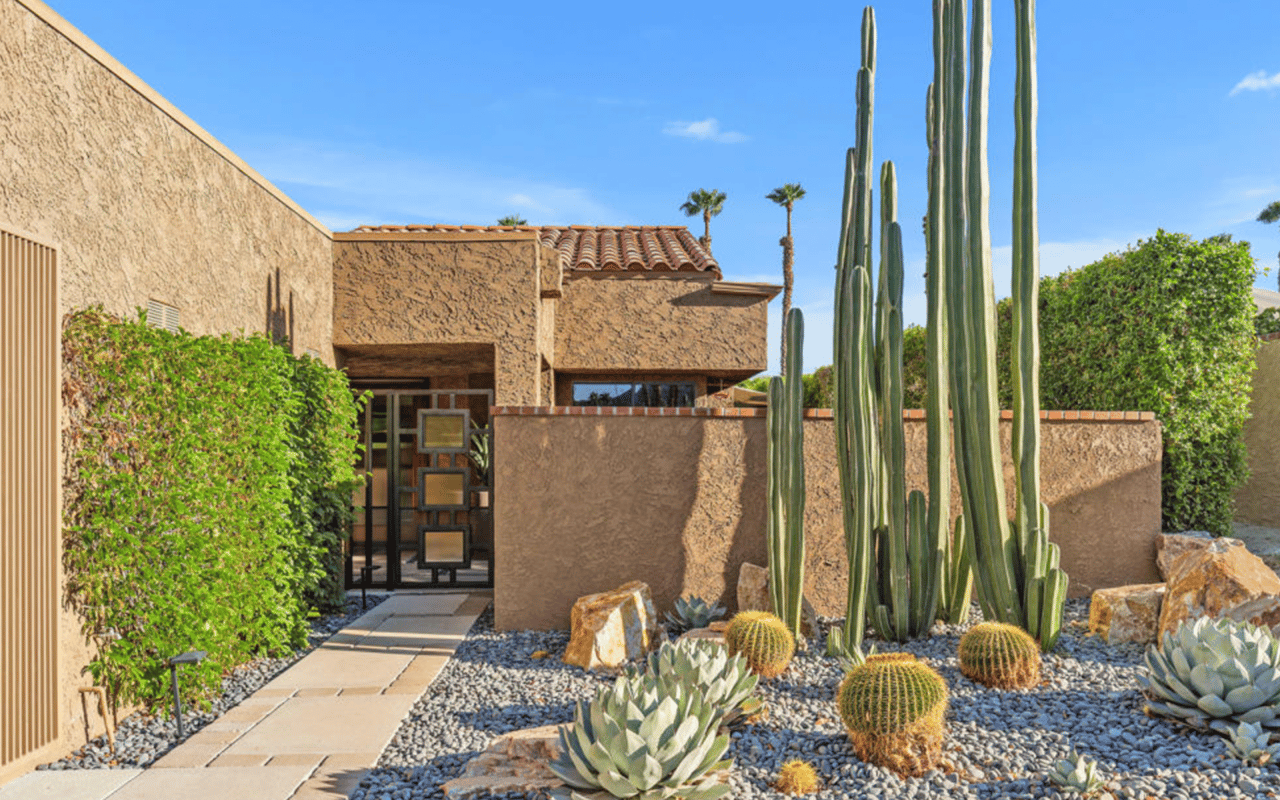
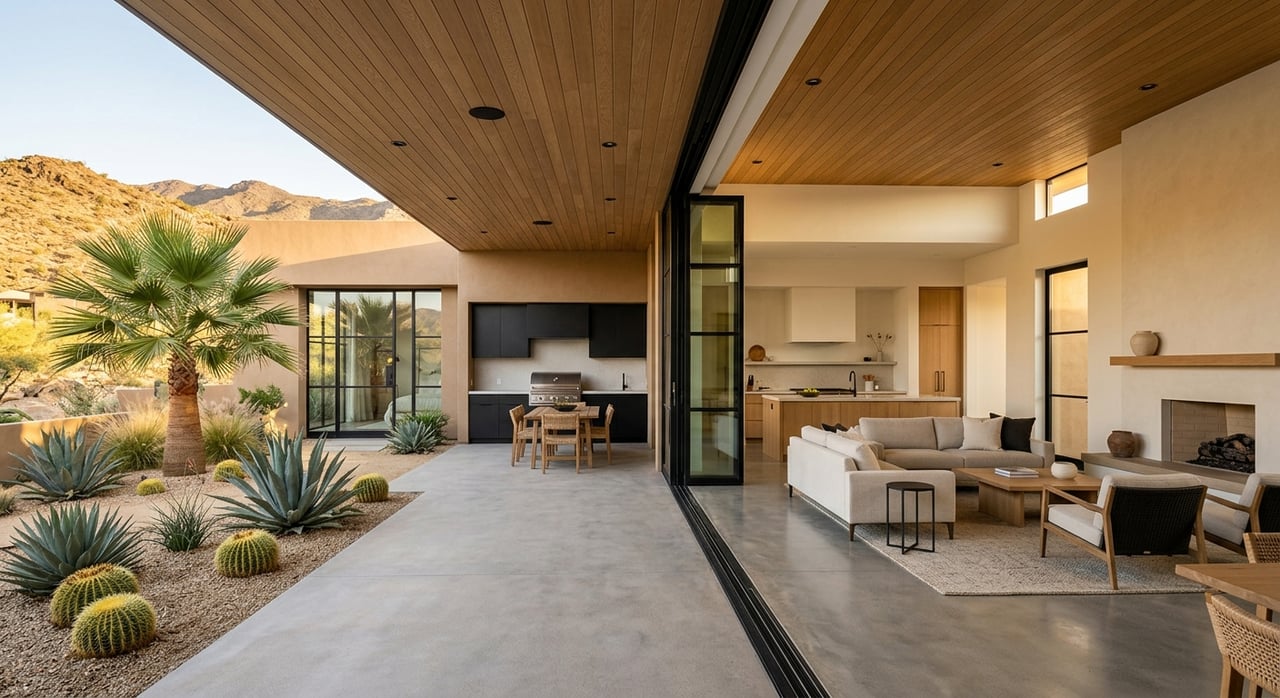
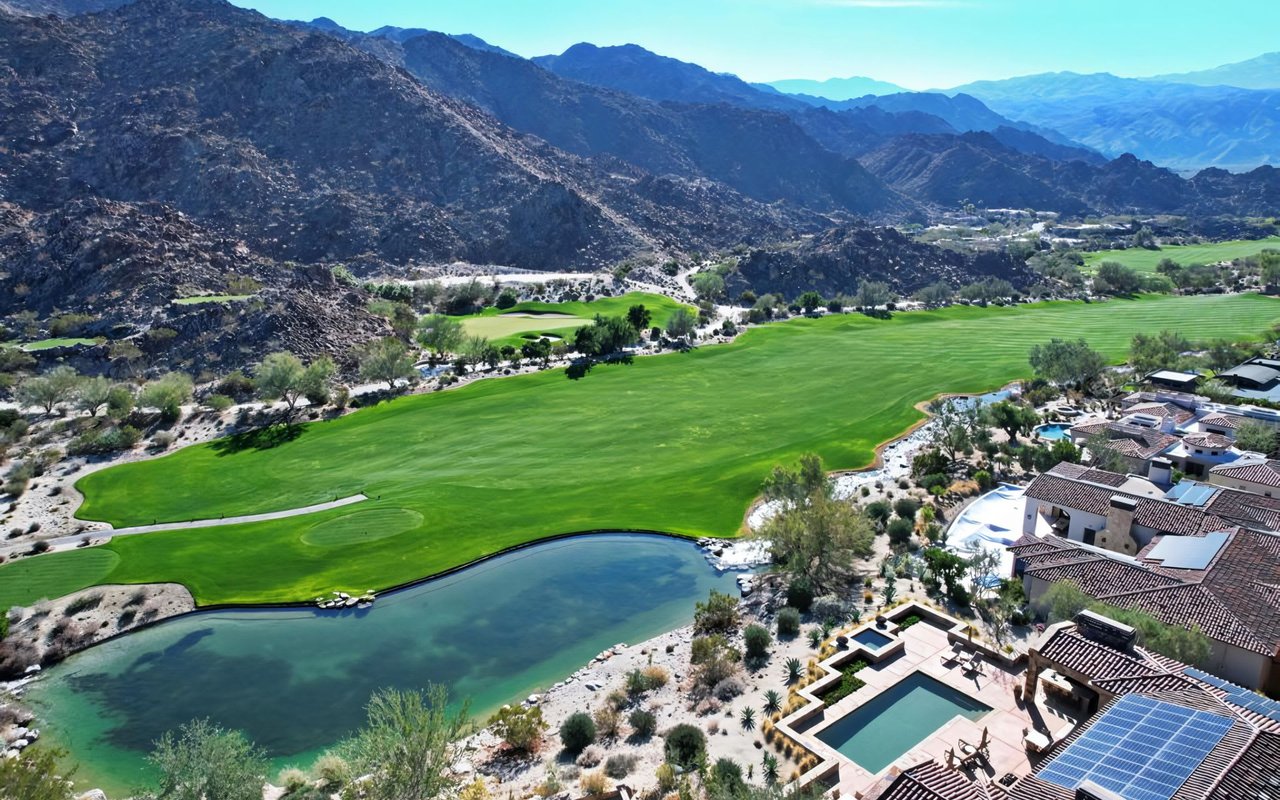
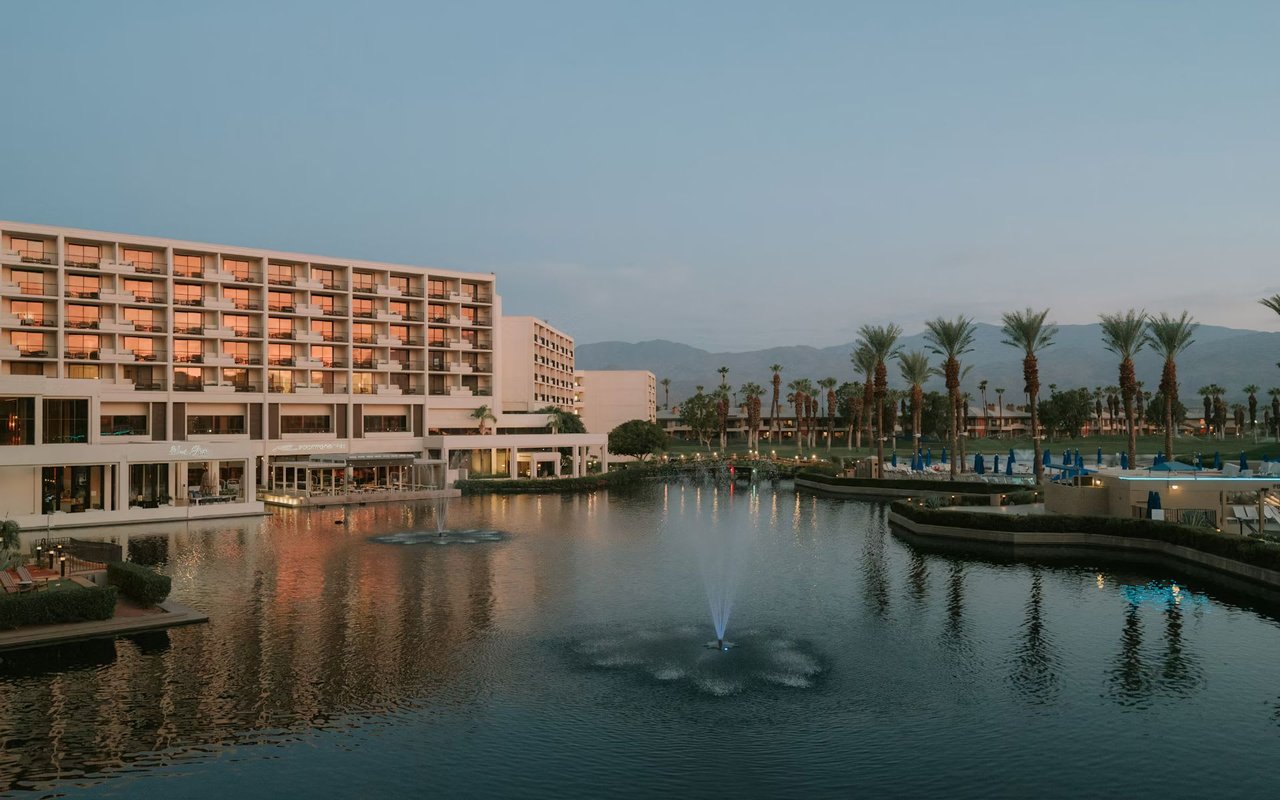
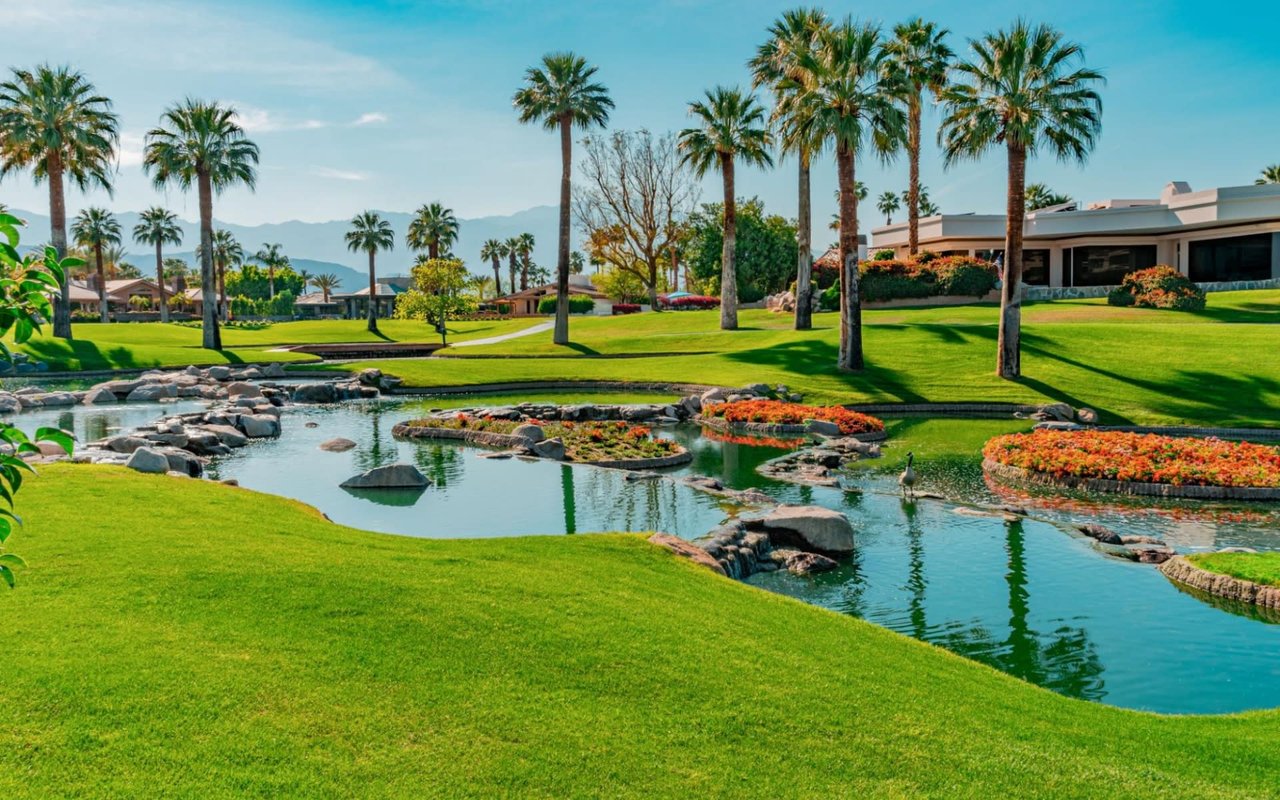
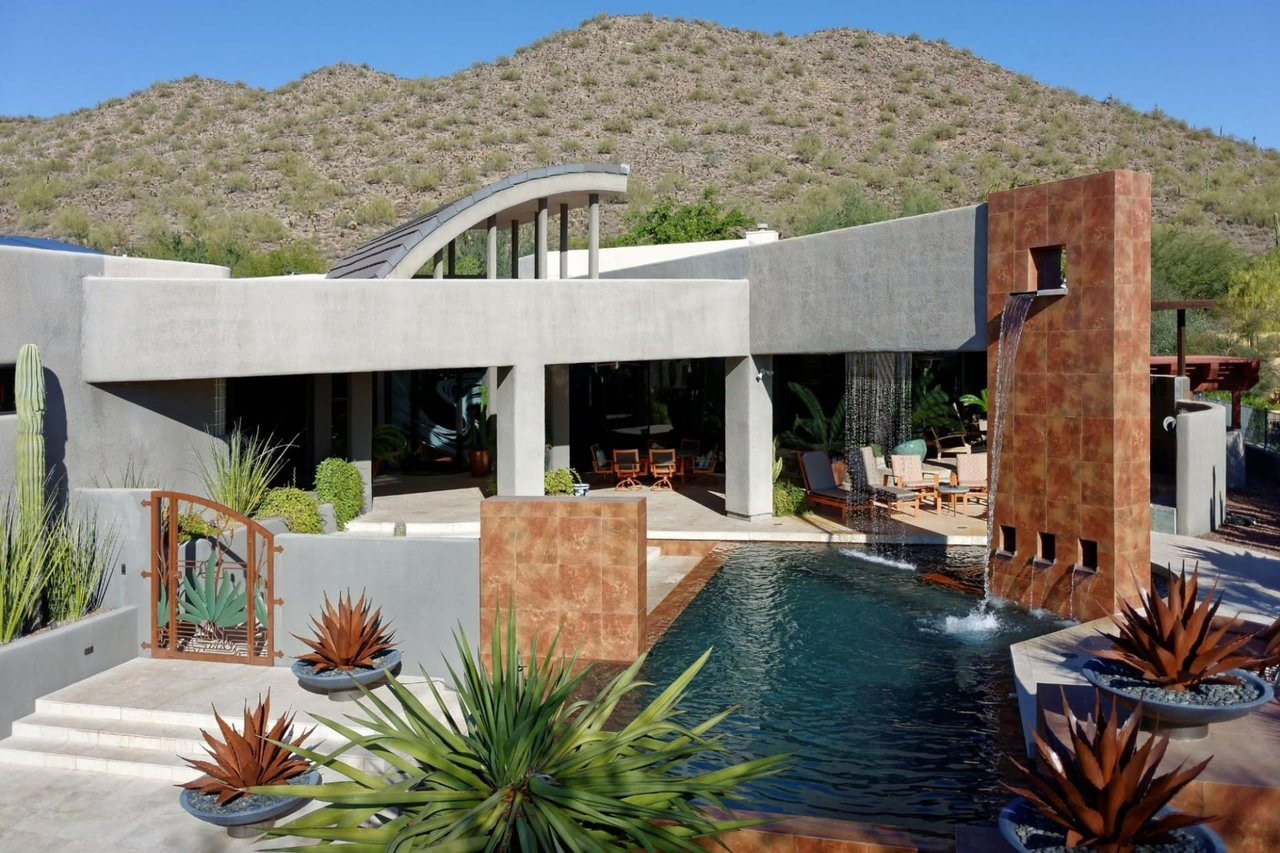
Ironwood Country Club broke ground in the early 1970s, with the city's own historic survey dating the community's start to 1972, and it has stayed one of the largest gated communities in southern Palm Desert ever since. Its two 18-hole golf courses were designed by Desmond Muirhead and Ted Robinson. The club recently put roughly $5 million into those courses and rebuilt its 50,000-square-foot clubhouse, so the amenities are current even where the housing stock isn't.
That's the part outside buyers underestimate. "Ironwood" isn't one product. It's condos, freestanding homes classified as condos, and custom estates, spread across 13 separate homeowners associations covering more than 1,000 residences. Condo prices run from the mid-$300,000s into the $900,000s. Standalone homes range from about $550,000 to $3.5 million, with a handful of estates reaching $8 million. A buyer comparing two listings inside the same gates can be comparing two entirely different ownership structures, two different reserve funds, and two very different sets of 1970s-era systems still running behind the walls.
That variety is exactly why the days-on-market number stretches. A well-updated unit with a newer HVAC system and a recent roof moves close to the broader neighborhood's pace. A unit that still has its original systems sits, because the people writing offers in 2026 are reading inspection reports more carefully than buyers did five years ago, and a longer market gives them the room to do it.
What a Local Inspector Actually Flags
Jerry Campbell, owner of Cal-Spec Inc. and a licensed California general contractor with three decades of hands-on experience in the Coachella Valley, inspects exactly this kind of housing stock across Palm Desert, Rancho Mirage, and Indian Wells. His own description of what turns up in mid-century and 1970s-80s desert construction lines up with what tends to slow a South Palm Desert sale:
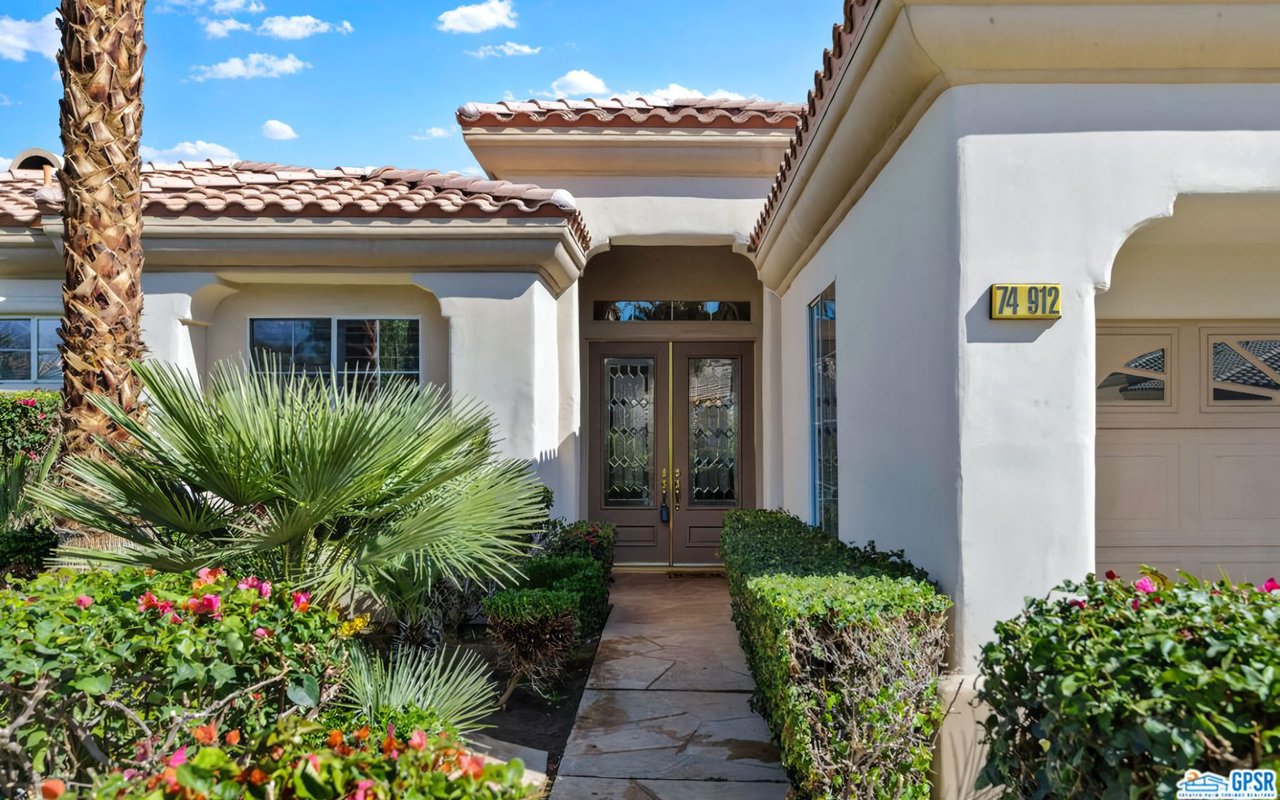
- Terra-cotta tile roofs with sun and wind damage, where cracked tiles or failing underlayment don't show up until a drone scan looks underneath the surface
- HVAC systems that have been running under constant cooling demand for decades, often past the point where a buyer wants to inherit the replacement bill
- Stucco cracking driven by clay soil movement, a desert-specific issue that has nothing to do with how well a home was maintained
- Aluminum wiring and corroded original plumbing, common in homes from this era and expensive enough to reset a negotiation
- Irrigation and drainage problems that create hidden moisture, sometimes surfacing as mold in poorly ventilated attics or around older evaporative coolers
None of these findings mean a home is a bad buy. They mean a 50-year-old building has 50-year-old systems, and in a market with this much time on the buyer's side, those systems get priced in rather than waived away.
A home that shows beautifully on a Sunday tour and a home that runs cleanly on every mechanical system are not always the same house, and the gap between the two is exactly where a South Palm Desert listing loses its first 60 days.
The HOA Adds a Second Inspection
Buying inside Ironwood, The Summit, or any gated South Palm Desert community means buying into a homeowners association, and California gives those associations real financial leeway. Under the Davis-Stirling Act, a board can raise regular annual dues by up to 20 percent and levy a special assessment of up to 5 percent without putting either to a member vote. Anything larger requires owner approval, but that threshold still leaves plenty of room for a community's finances to shift before a buyer ever sees the paperwork.
Because Ironwood is governed by 13 separate HOAs rather than one, reserve health is not uniform across the community. One sub-association might be fully funded for its next roof cycle. Another, managing an older set of buildings, might be years behind on the same kind of work. This is why requesting the actual reserve study and recent board minutes during escrow matters more here than in a newer, single-HOA subdivision. The Community Associations Institute's Coachella Valley chapter exists partly because this level of financial variance across neighboring associations is common enough locally to need its own advocacy and education group.
Not Just Ironwood
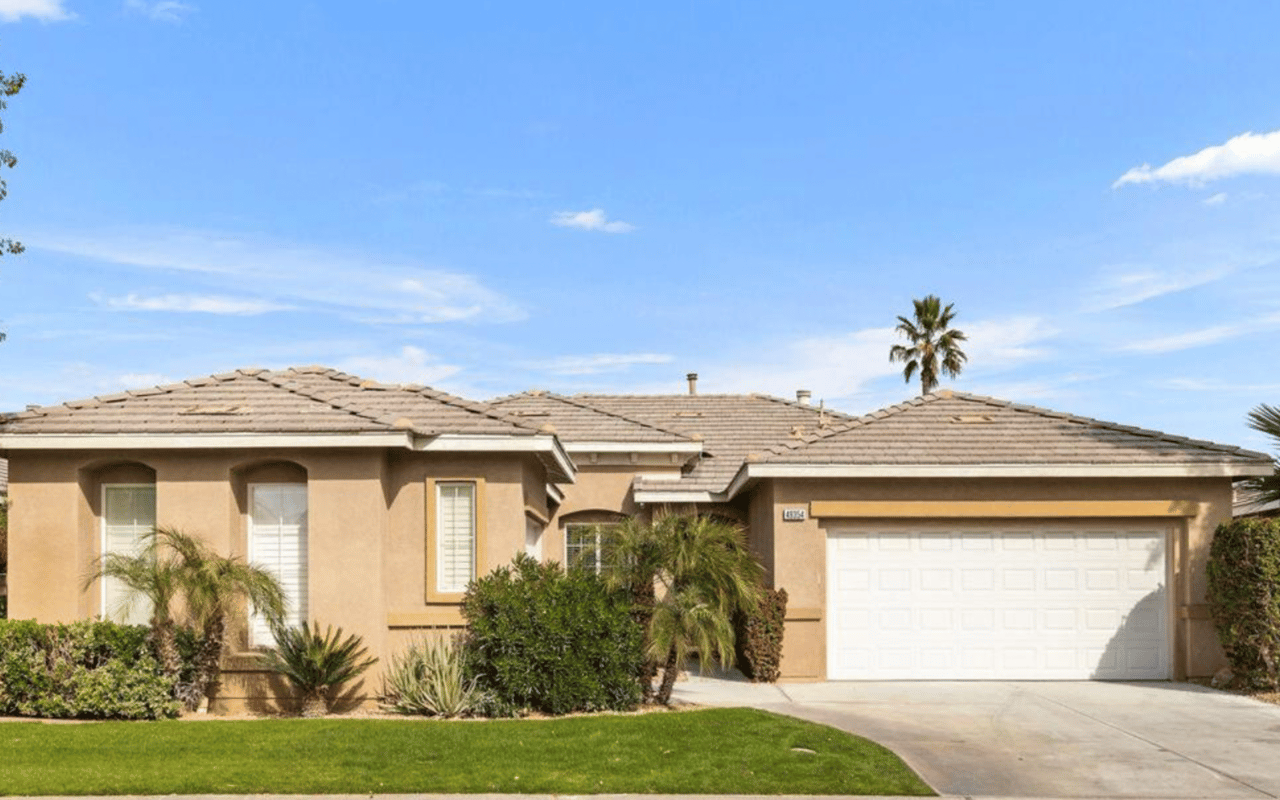
Right next door, still inside South Palm Desert's foothill footprint off Highway 74, The Summit tells a version of the same story with a different ending. Its 156 single-family homes were built between 1980 and 2004, which puts much of the community a decade or more newer than Ironwood's original stock, and its HOA dues sit at a comparatively modest $126 a month. Newer systems, lower dues, and less association-level complexity all point the same direction: less friction at inspection, and less reason for a listing to stall.
A few miles north, in the heart of Palm Desert rather than its southern foothills, the same age-driven pattern shows up again. Hidden Palms, a gated condo community built around 1980, and Portola Del Sol, a planned unit development near the Palm Desert Civic Center, both carry HOA dues that bundle in roofs, exterior paint, cable, and security. That bundling is typical of buildings old enough that big-ticket repairs have already become board business instead of owner business. The pattern isn't unique to one gated community. It's what happens anywhere in the Coachella Valley where 1970s and 1980s construction meets a market that finally has time to read the inspection report closely.
Where This Leaves You Right Now
If you're buying in South Palm Desert this season, the 97-to-119-day pace inside Ironwood and comparable communities isn't a warning sign. It's negotiating room. A market this slow gives you the standing to ask for a full inspection period, request the HOA's most recent reserve study before removing contingencies, and negotiate credits for roof, HVAC, or electrical findings instead of accepting a listing as-is.
If you're selling, the same data cuts the other way. A pre-listing inspection and a current reserve study in hand before you go active can be the difference between closing near the neighborhood's 49-day median and sitting closer to its 100-day one. Buyers in this market have the numbers. Sellers who get ahead of them close faster.
Before you write an offer or list a home in one of South Palm Desert's older communities, run through this:
- Pull the specific HOA's reserve study, not just a summary, and check the funding percentage for major components like roofs and paving
- Ask for a full inspection period rather than a shortened one, and use it
- Request maintenance and replacement records for HVAC, roofing, and plumbing if the seller has them
- Compare the specific sub-HOA's dues history against the Davis-Stirling caps to see how close the association has run to its legal ceiling
- Price or budget separately for known-era risks like clay-soil stucco cracking and aging electrical, rather than folding them into a single contingency ask
Common Questions About Buying Into South Palm Desert's Older Communities
Does a longer days-on-market always mean something is wrong with the home? No. It often means the home hasn't been updated to match current buyer expectations for HVAC age, roof condition, or electrical systems, which is a cost question rather than a defect question.
Why does Ironwood have 13 separate HOAs instead of one? The community grew across several decades and phases, and each phase or product type, condos, freestanding villas, custom estates, was organized under its own association with its own dues and reserve fund.
Is a 1970s or 1980s desert home automatically a bad investment? Not at all. Many have been fully updated with newer HVAC, rewired electrical, and resurfaced roofs, and those homes tend to sell closer to the broader neighborhood's 49-day pace rather than the slower end of the range.
If you're weighing a purchase in Ironwood, The Summit, or any of South Palm Desert's established communities, or preparing to list one, Team Armstrong can walk you through what a specific HOA's reserve study actually says and what a specific home's age is likely to mean at inspection, before either number surprises you mid-escrow. Contact us.
This article is general information, not legal, tax or financial advice. Consult a qualified professional about your situation.