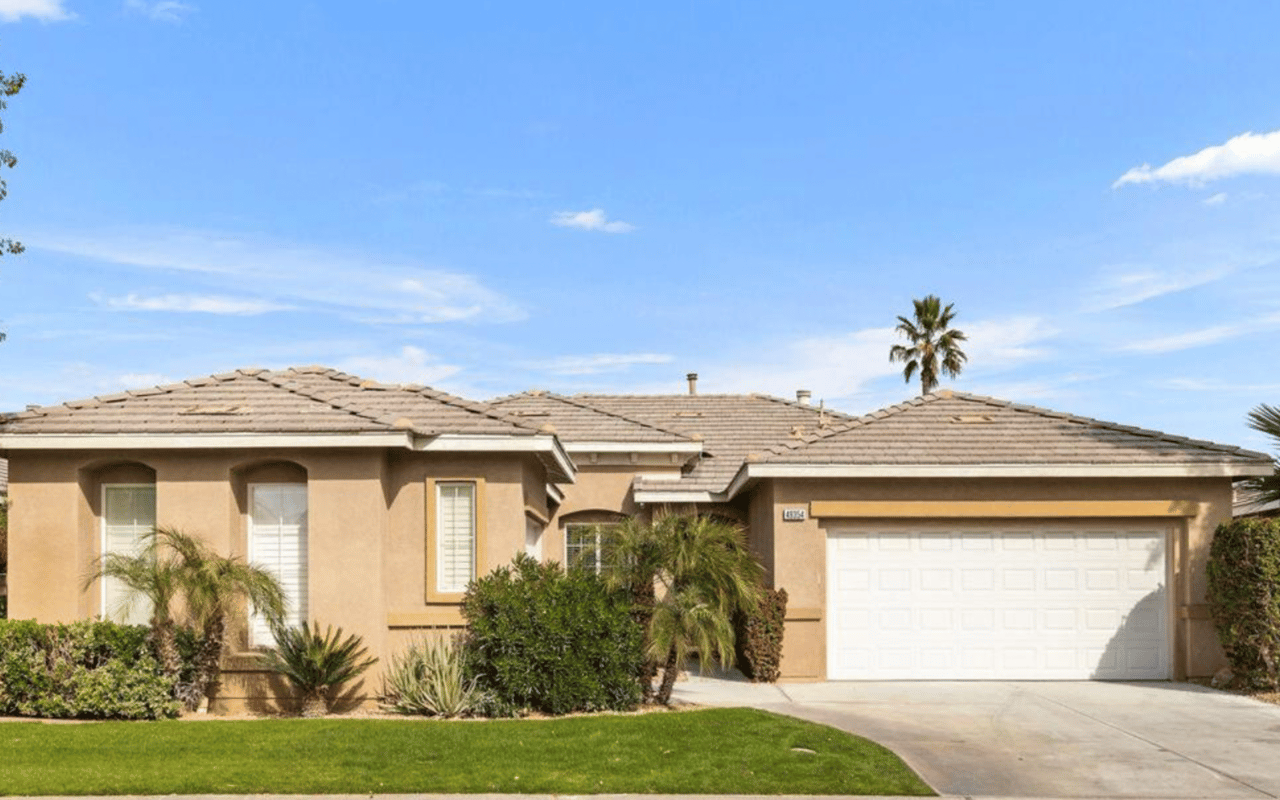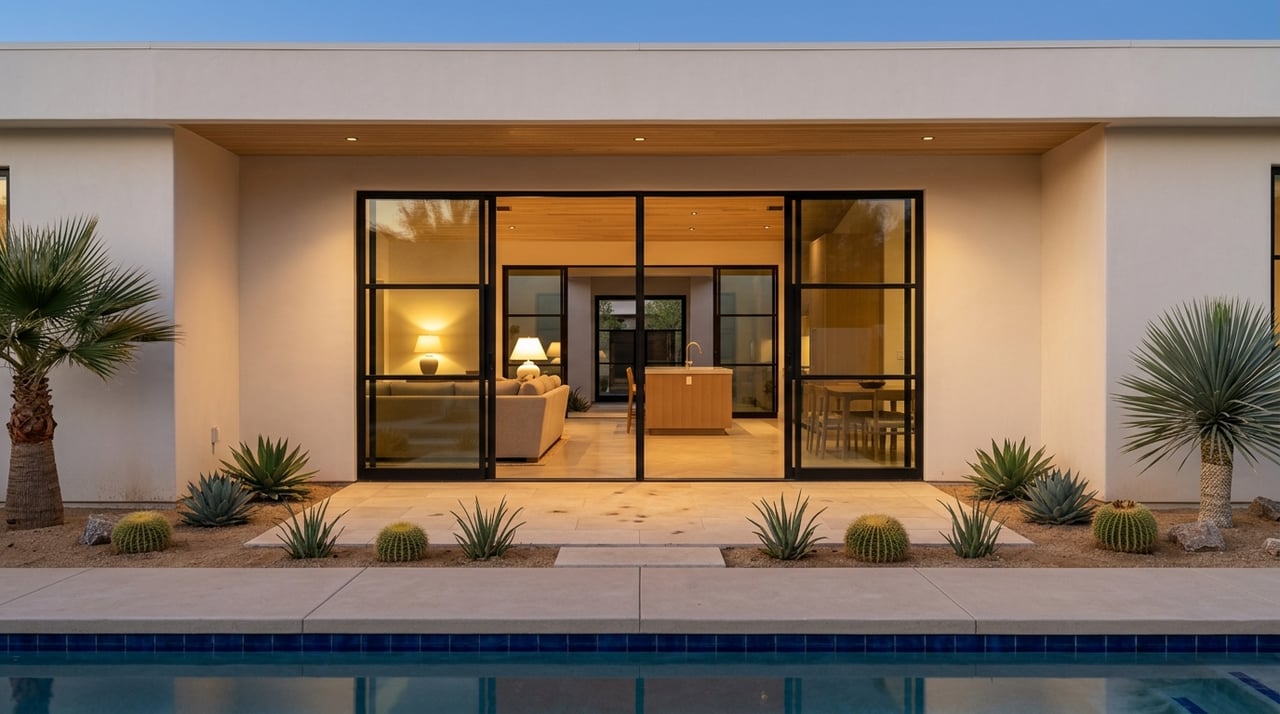
Wondering if a Rancho Mirage home can be both your desert escape and a smart rental play? You are not alone. Many buyers are drawn to Rancho Mirage for sunshine, golf, spa living, and easy lock-and-leave ownership, but rental rules here are more restrictive than many people expect. In this guide, you will learn where Rancho Mirage shines as a second-home market, what current city rules mean for rentals, and what to review before you buy. Let’s dive in.
Why Rancho Mirage appeals to second-home buyers
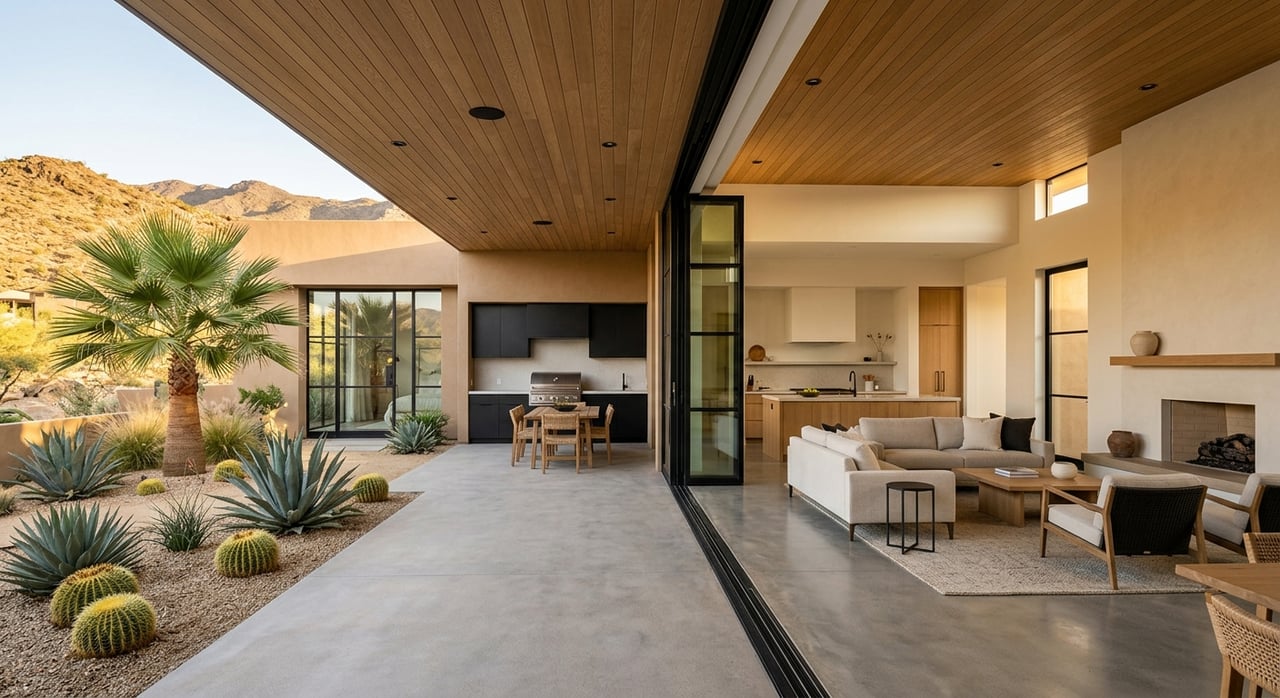
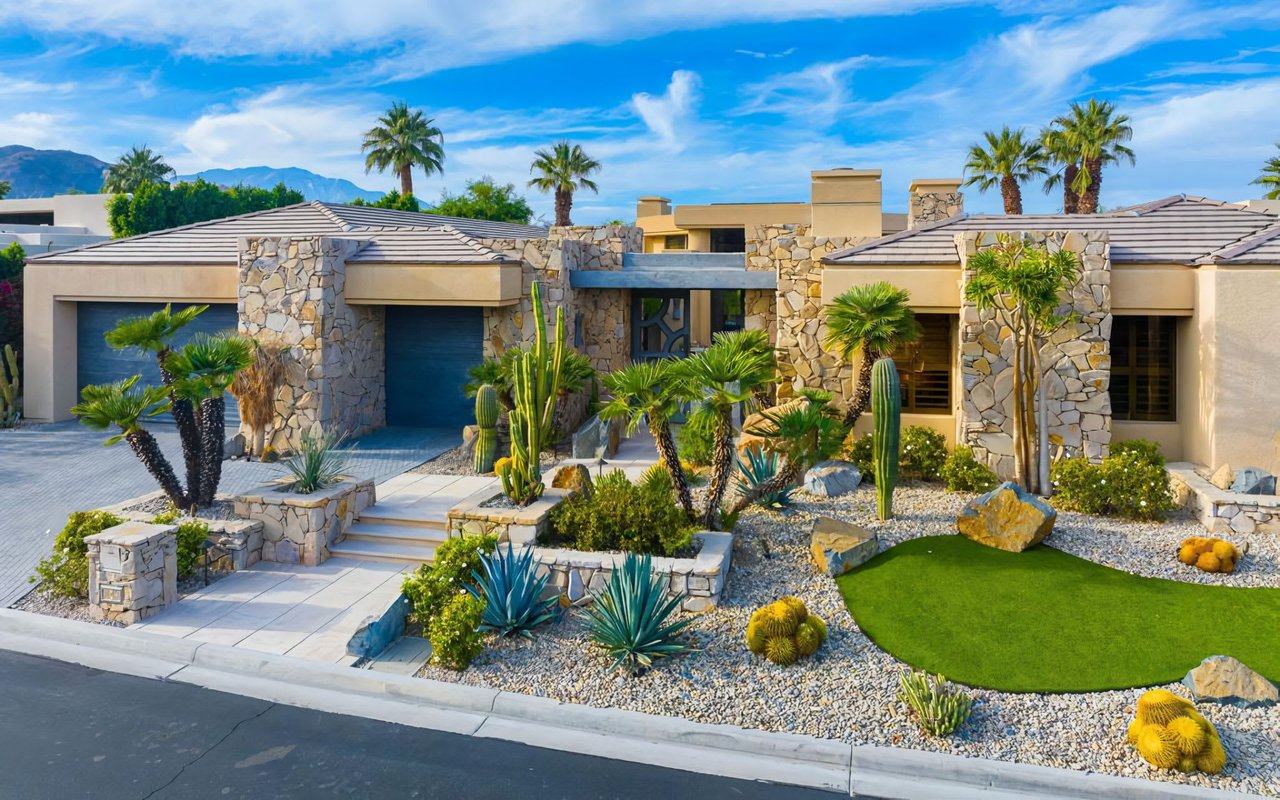
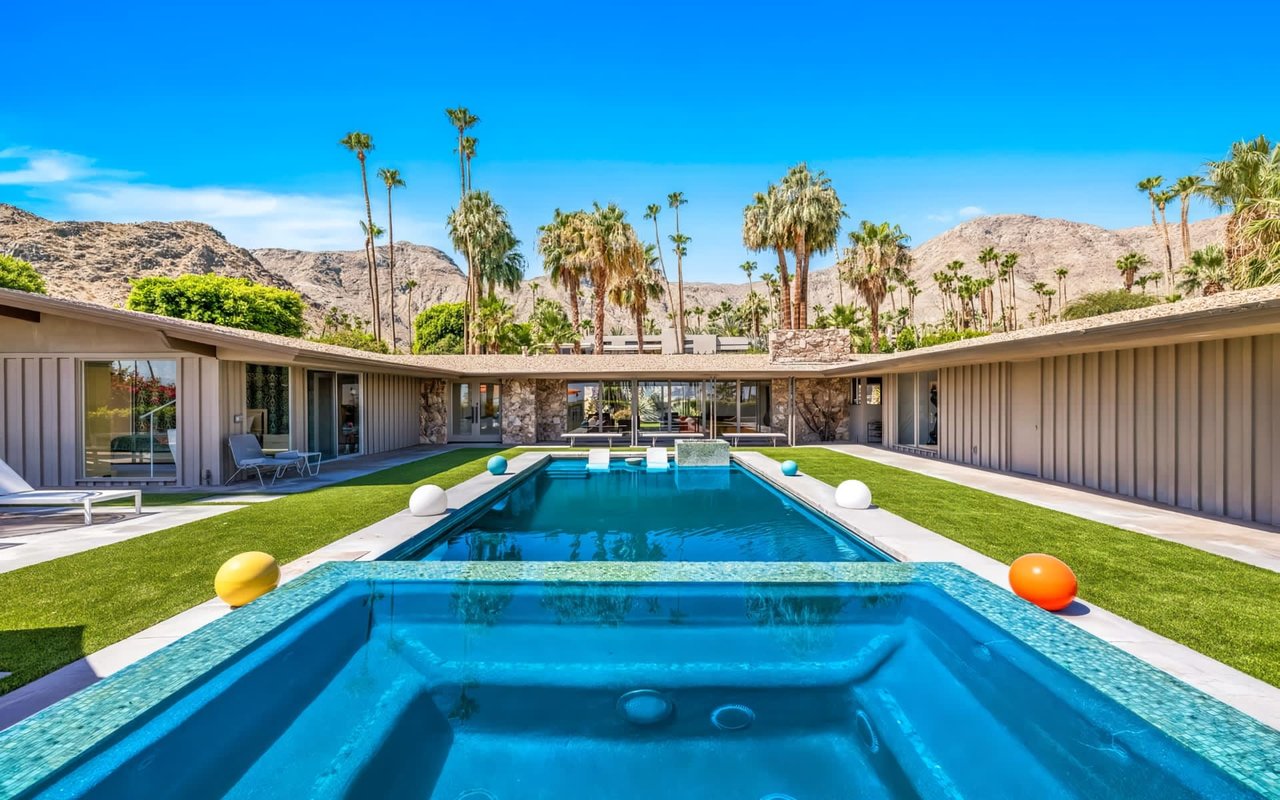
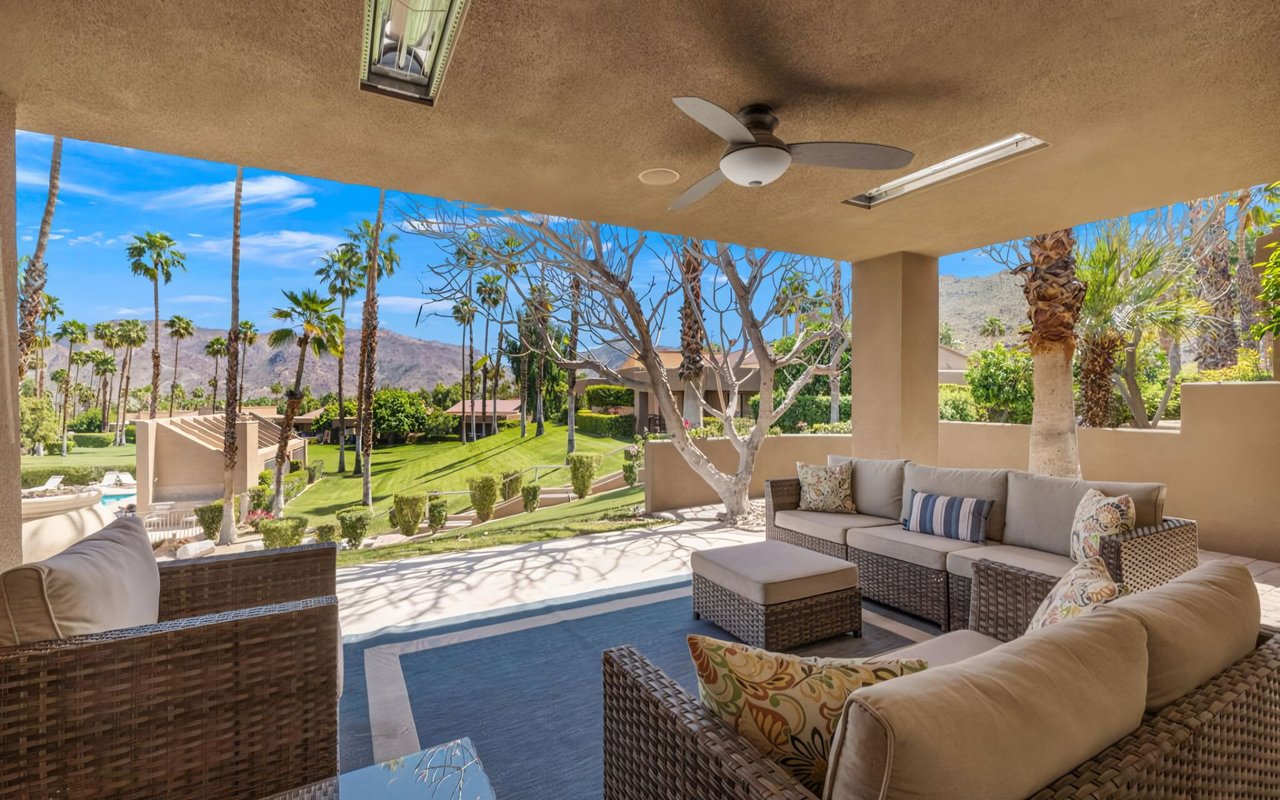
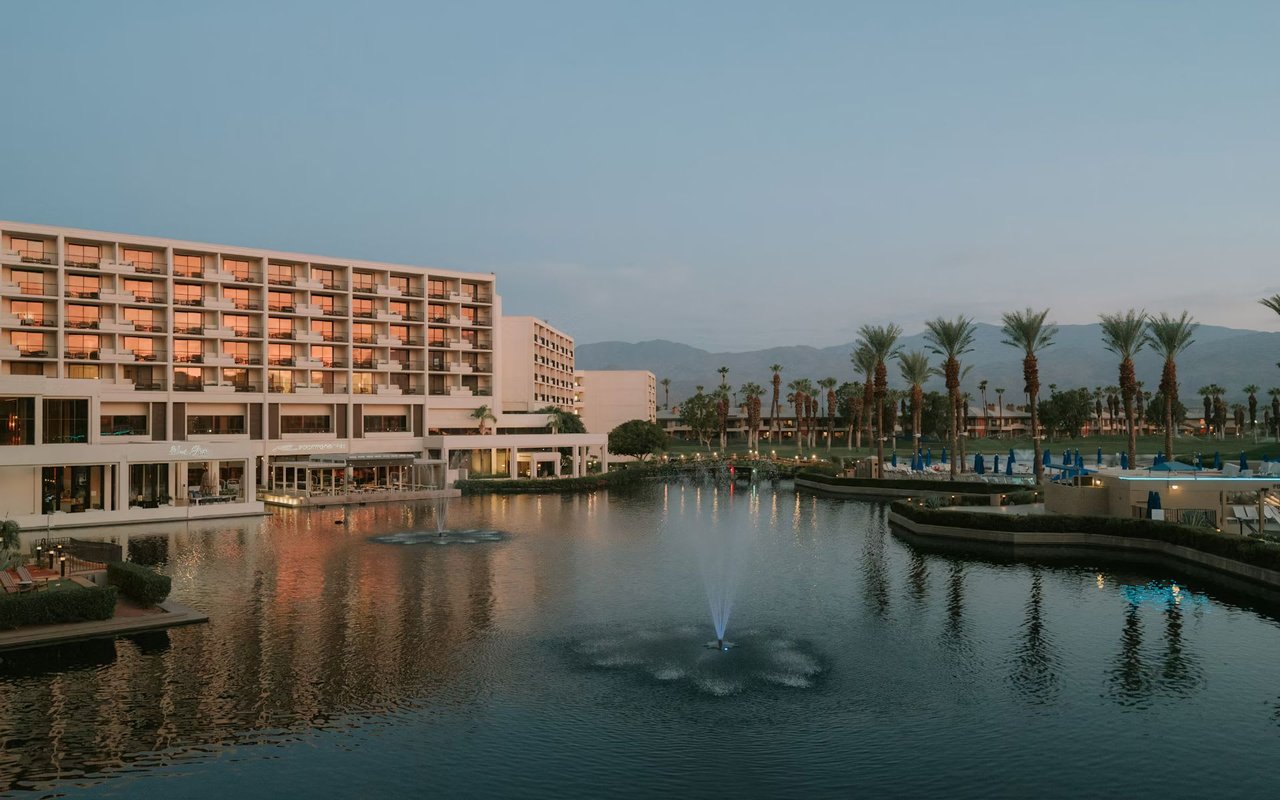
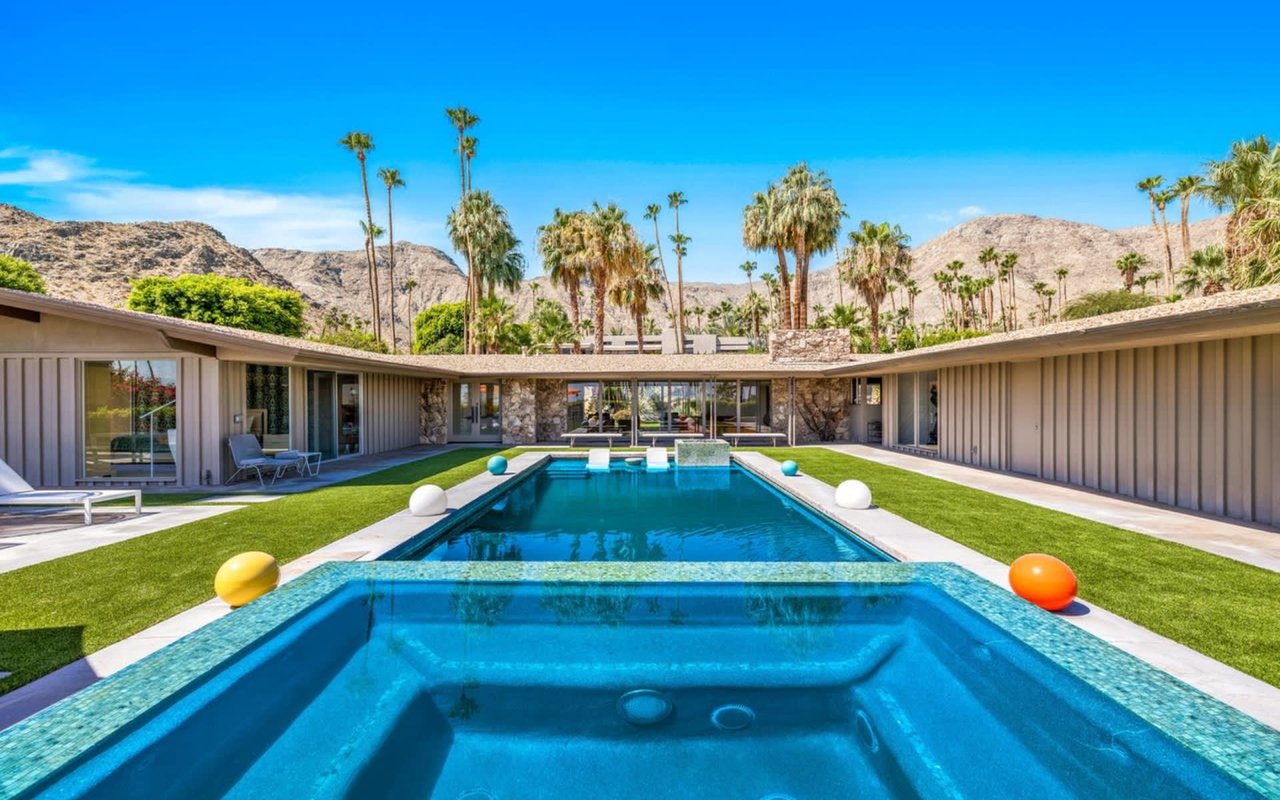
Rancho Mirage fits the lifestyle many second-home buyers want. It sits within the Greater Palm Springs resort market, where the visitor experience centers on desert scenery, golf, spas, shopping, and cultural events. That makes it easy to see why so many buyers look here first for seasonal use and personal enjoyment.
The market also has a clear seasonal pattern. Official tourism materials treat winter and summer as different travel seasons, with cooler months drawing stronger visitor interest and summer often marketed as a value season. For you as a buyer, that means the second-home story in Rancho Mirage is strongest when it starts with lifestyle and personal use, not year-round rental assumptions.
Seasonal demand shapes expectations
If you are thinking about a second home in Rancho Mirage, seasonality matters. Demand across the desert tends to be stronger in the cooler months, when outdoor living, golf, and events are at their peak. Summer can still appeal to some travelers, but it is generally positioned as a lower-rate season.
That does not mean every property performs the same way. Location, amenities, price point, and community rules still matter. Still, the broader pattern is clear enough to help you set realistic expectations: Rancho Mirage is best understood as a lifestyle-driven second-home market first.
Rental rules in Rancho Mirage
This is the most important part of the conversation. Rancho Mirage currently defines a short-term rental as 27 consecutive calendar days or less, and the city code says short-term rentals are prohibited in every zone of the city. The code also states that advertising, offering to rent, or agreeing to rent counts as operating a short-term rental.
There was limited grandfathering language tied to 2021 certificates, but that expired on June 30, 2022. In practical terms, you should not buy in Rancho Mirage assuming you can use a home as a vacation rental for stays shorter than 28 days.
Some older city planning documents describe short-term rentals differently, but those descriptions conflict with the current zoning chapter. The safest approach is to treat the current codified city rule as the controlling source and re-check the ordinance before you close on any property.
What the 27-day rule means
The 27-day threshold is the key line. If your rental plan involves guest stays of 27 days or fewer, that falls into the city’s short-term rental definition. Under current city code, that use is prohibited.
If you are considering rental income at all, your conversation should focus on lawful longer-term leasing plans that fall outside that definition. Even then, you still need to confirm the property’s community rules, governing documents, and any other restrictions that may affect leasing.
HOA rules can matter just as much
In Rancho Mirage, city rules are only part of the picture. The city notes that many country clubs, gated communities, and residential neighborhoods have homeowners associations. That means monthly dues, community standards, and use restrictions can all shape whether a property works for your goals.
For many second-home buyers, HOA living is part of the appeal. It can support a lock-and-leave lifestyle and access to shared amenities. But it can also increase your carrying costs, and each community may have its own rules on leasing, occupancy, and owner use.
Review CC&Rs and public reports
Before you buy, read the CC&Rs closely. In California, CC&Rs help define what owners can and cannot do within a community. For common-interest developments, public reports also disclose important details like use restrictions, HOA costs, and other material facts.
This step matters because an HOA may be more restrictive than the city. A property could be fine for personal seasonal use but not allow the type of leasing you had in mind. On the other hand, a community might allow some forms of longer-term leasing, but only under specific conditions.
Budget beyond the purchase price
If you are comparing homes in Rancho Mirage, look carefully at the full cost of ownership. HOA dues can be a major line item, especially in country club and gated communities. Depending on the property, you may also need to account for special assessments, insurance, and other recurring costs.
That matters even more for second-home buyers who may not use the home year-round. A lower purchase price does not always mean lower carrying costs. When you compare options, make sure you are weighing the full monthly and annual picture.
The best way to frame rental potential
For most buyers, the smartest way to think about Rancho Mirage is this: buy for the lifestyle first, then evaluate rentability second. The city remains highly appealing for seasonal living, sunshine, and resort-style convenience. But the rental piece requires careful review and should never be assumed.
A furnished, easy-care property may still make excellent sense if you want a flexible second home and are considering a lawful longer-term lease strategy. The key is to start with the legal and community documents, not a projected income number.
Questions to ask before you buy
Use these questions to guide your search:
- Is the property in an HOA?
- What do the CC&Rs say about leasing and occupancy?
- What are the monthly HOA dues?
- Are there any special assessments or added community costs?
- Are there restrictions that make the home best for personal use only?
- If you want rental income, does your plan fit outside the city’s 27-day short-term rental definition?
These questions can save you time and help you avoid buying the wrong home for your goals.
A note on local taxes
Rancho Mirage’s transient occupancy tax chapter imposes a 10 percent tax on transient occupancies and requires monthly returns from operators. While short-term rentals are currently prohibited under city zoning, this tax rule is still part of the city code and shows why rental compliance needs to be handled carefully.
If you are exploring any rental strategy, it is worth confirming how city rules apply before you move forward. In a market like Rancho Mirage, details matter.
How Team Armstrong helps buyers think clearly
If you are shopping from out of area, the challenge is not just finding a beautiful home. It is understanding which communities fit your goals, what the ongoing costs look like, and how the rules may affect personal use or leasing plans.
That is where local guidance makes a difference. Team Armstrong serves Rancho Mirage and nearby Coachella Valley communities with a lifestyle-focused, practical approach. Whether you want a condo, townhome, golf community property, or a lock-and-leave second home, the goal is to help you match the property to the way you actually plan to use it.
Rancho Mirage can be an excellent fit if you want comfort, convenience, and a strong desert lifestyle. You just want to go in with clear expectations about seasonality, HOA costs, and current rental restrictions. If you want help narrowing down the right communities and reviewing what matters before you buy, connect with Team Armstrong.
FAQs
Can you use a Rancho Mirage home as a short-term rental?
- Under current city code, short-term rentals of 27 consecutive calendar days or less are prohibited in every zone of Rancho Mirage.
Is Rancho Mirage still a good place for a second home?
- Yes. Rancho Mirage remains a strong second-home market because of its resort lifestyle, seasonal appeal, golf, spas, and convenient desert location.
Do HOA rules affect rental options in Rancho Mirage?
- Yes. HOA rules can limit leasing, occupancy, and owner use, so you should review the CC&Rs and community documents before buying.
What costs should second-home buyers budget for in Rancho Mirage?
- In addition to the purchase price, you should budget for HOA dues, insurance, possible special assessments, and other recurring ownership costs.
Should you buy in Rancho Mirage for rental income first?
- The safer approach is to buy for lifestyle and personal use first, then evaluate whether any lawful longer-term leasing option fits the city code and HOA rules.