6 Things to Do When Moving to a New State: Relocation Guide
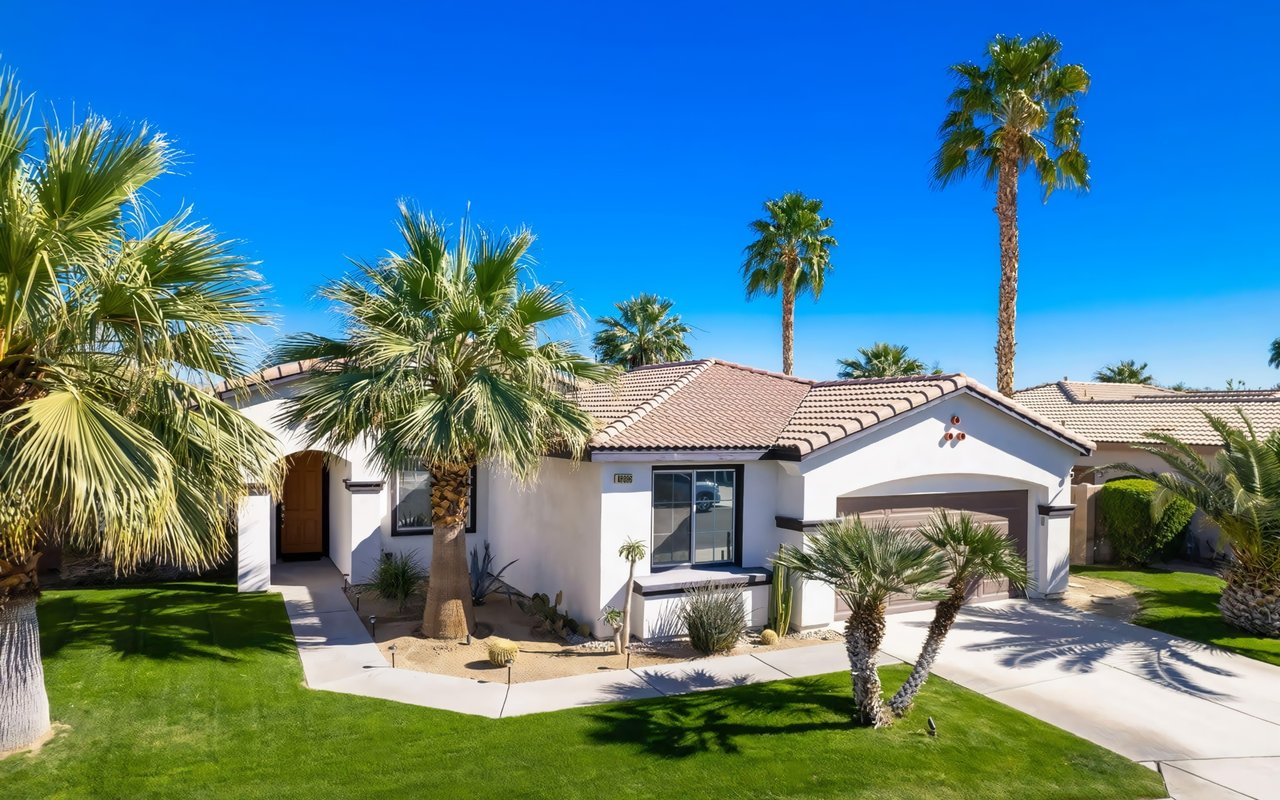
Moving to a new state like California requires a strategic relocation checklist covering moving budgets, long-distance movers, utility transfers, and state-specific tax and DMV updates. Relocating to Palm Desert or the Coachella Valley in Riverside County involves managing seasonal climate shifts and local HOA transfer requirements.
Relocation Step | Primary Action Item | Recommended Timeline | Coachella Valley Specific Tip |
|---|---|---|---|
1. Budget Planning | Calculate mover quotes, deposits, and travel costs | 8 to 12 Weeks Prior | Account for desert HOA transfer fees and utility deposits |
2. Hiring Movers | Vet licensed interstate movers or container services | 6 to 8 Weeks Prior | Schedule morning delivery windows to avoid summer heat |
3. Decluttering | Sort belongings into keep, sell, donate, or discard | 4 to 6 Weeks Prior | Donate heavy winter gear unneeded for desert living |
4. Utility Transfer | Schedule electric, water, internet, and DMV updates | 2 to 3 Weeks Prior | Set up Imperial Irrigation District (IID) or SCE electricity |
Planning a Relocation to Palm Desert or Indian Wells?
Explore active Coachella Valley homes or consult with Team Armstrong relocation specialists.
Moving to a new state is an exciting opportunity, but it also comes with unique logistics and administrative tasks. Between packing up your life, securing a new property, and adjusting to a different climate, the process can feel complex. The key to a seamless transition is planning ahead and establishing a clear timeline. Whether relocating to California for career advancement, retirement, or a sunny mountain lifestyle, taking the right steps makes all the difference when settling into South Palm Desert real estate.
Key Takeaways for Inter-State Relocation
- Establish a comprehensive relocation budget accounting for mover fees, travel, security deposits, and utility connections.
- Verify long-distance movers through the Federal Motor Carrier Safety Administration (FMCSA) for proper licensing.
- Schedule utility transfers early, including California electric (IID/SCE), gas (SoCalGas), and internet services.
- Update your driver's license and vehicle registration with the California DMV within 20 days of establishing residency.
Step 1: Plan Your Moving Budget and Relocation Expenses
Moving across state lines involves costs beyond standard moving truck rentals. You need to budget for home down payments or lease deposits, utility setup fees, and long-distance travel expenses such as flights, fuel, or hotel stays during transit.
Estimating Transport, Housing Deposits, and Travel Costs
If shipping vehicles across state lines, research auto transport pricing and delivery schedules. Furthermore, if relocating for employment, inquire if your employer provides relocation packages or tax-deductible moving stipends to offset expenses.
Step 2: Hire a Reliable Long-Distance Moving Company
A professional moving service ensures your belongings arrive safely across state borders. Start researching interstate moving companies early, checking customer reviews, DOT registration numbers, and insurance coverage policies.
Vetting Licensed Interstate Movers vs. Storage Containers
Alternatively, portable container services allow you to pack at your own pace while professionals manage long-distance transit. Weigh costs, convenience, and timeline flexibility when choosing between full-service movers and self-pack containers.
Step 3: Downsize, Declutter, and Organize Before Packing
Interstate moves are priced by weight or volume. Decluttering before packing reduces total freight weight and lowers moving costs significantly.
Room-by-Room Sorting and Inventory Systems
Sort belongings into keep, donate, sell, or discard categories. When packing, label boxes by room and content type, maintaining a separate essential bag with passports, medical records, and financial documents during travel.
Step 4: Transfer Utilities and Update State Driver's Licenses
Coordinate utility activation at your new address prior to arrival. In Palm Desert and the Coachella Valley, primary electricity is provided by Imperial Irrigation District (IID) or Southern California Edison (SCE), water by Coachella Valley Water District (CVWD), and gas by SoCalGas.
California DMV, Voter Registration, and Financial Accounts
Update your mailing address with the USPS, financial institutions, insurance providers, and healthcare networks. New California residents must register vehicles and obtain a California driver's license within specified state statutory deadlines.
Step 5: Prepare for Relocation Challenges and Climate Adjustments
Every interstate relocation presents unforeseen variables. Maintain emergency cash reserves and flexible timelines to handle unexpected transit delays or utility scheduling shifts.
Managing Coachella Valley Summer Heat and Off-Season Schedules
When moving to the Coachella Valley, adapt to desert weather dynamics. Summer temperatures regularly exceed 100 degrees Fahrenheit, making early morning unloading and air-conditioning activation critical for a comfortable move-in experience.
Step 6: Make Your New House Feel Like Home
Unpacking strategically accelerates your feeling of comfort. Unpack bedrooms and kitchens first, establish daily routines, explore local parks, and connect with local neighborhood associations across Indian Wells, Palm Desert, and Rancho Mirage.
California & Coachella Valley Relocation Practical Details
- California DMV Palm Desert Field Office: 74740 Technology Dr, Palm Desert, CA 92260. Driver's license transfers and vehicle registration.
- Coachella Valley Water District (CVWD): 75515 Hovley Ln E, Palm Desert, CA 92260. Residential water service activation.
- Team Armstrong Relocation Office: Palm Desert, CA 92260. Direct phone: (760) 835-2365. Specialized buyer relocation guidance across Riverside County.
Source: California Department of Motor Vehicles (DMV), Federal Motor Carrier Safety Administration (FMCSA), and Coachella Valley Economic Development Corporation.
Related Coachella Valley Buyer & Relocation Guides
Authored by Team Armstrong
Team Armstrong is a top-producing real estate team specializing in Palm Desert, Indian Wells, Rancho Mirage, and the broader Coachella Valley. Team Armstrong assists out-of-state buyers with neighborhood selection, school evaluations, HOA review, and seamless property acquisitions across Riverside County.
Frequently Asked Questions About Moving to a New State
How far in advance should I start planning a move to a new state?
Begin planning an interstate move at least 8 to 12 weeks in advance to secure quotes from long-distance moving companies, organize belongings, and coordinate real estate transactions.
What documents do I need to update when moving to California?
New California residents must update their driver's license and vehicle registration with the California DMV, register to vote, update banking and tax filing addresses, and notify insurance carriers.
What are the tax implications of relocating to California?
California levies state income tax on residents. However, property taxes under Proposition 13 are capped at 1% of assessed property value at the time of purchase plus local voter-approved bonds.
How do I transfer utilities when moving to Palm Desert CA?
Contact Imperial Irrigation District (IID) or Southern California Edison (SCE) for power, Coachella Valley Water District (CVWD) for water, and SoCalGas for natural gas service at least 2 weeks prior to move-in.
Partner with Team Armstrong for Coachella Valley Real Estate
Relocating to a new state is a major transition, but proper planning ensures a smooth move. Contact Team Armstrong today for trusted guidance, neighborhood selection, and expert buyer representation across South Palm Desert, Indian Wells, and Rancho Mirage real estate.