Rancho Mirage vs. Palm Desert CA: How to Choose Your Desert Home Base
Authored by Team Armstrong Real Estate | Coachella Valley Specialists
Rancho Mirage vs. Palm Desert - Quick Comparison Summary
Deciding between Rancho Mirage and Palm Desert involves balancing lifestyle preferences, land density, and home values. Rancho Mirage offers an exclusive, low-density resort setting with a $807,200 median home value, 82.0% owner occupancy, and Eisenhower Health proximity. Palm Desert delivers a larger, activity-filled environment with a $542,000 median home value, El Paseo, Acrisure Arena, and 25+ miles of trails.
Rancho Mirage vs. Palm Desert Key Metrics Comparison
Lifestyle & Community Metric | Rancho Mirage | Palm Desert |
|---|---|---|
Population (Census) | 18,001 residents | 53,147 residents |
Median Home Value | $807,200 | $542,000 |
Owner Occupancy Rate | 82.0% owner-occupied | 65.0% owner-occupied |
Demographic Profile | 52.6% Age 65+ (Resort & second-home focus) | 37.7% Age 65+, 12.8% Under 18 (Multi-gen mix) |
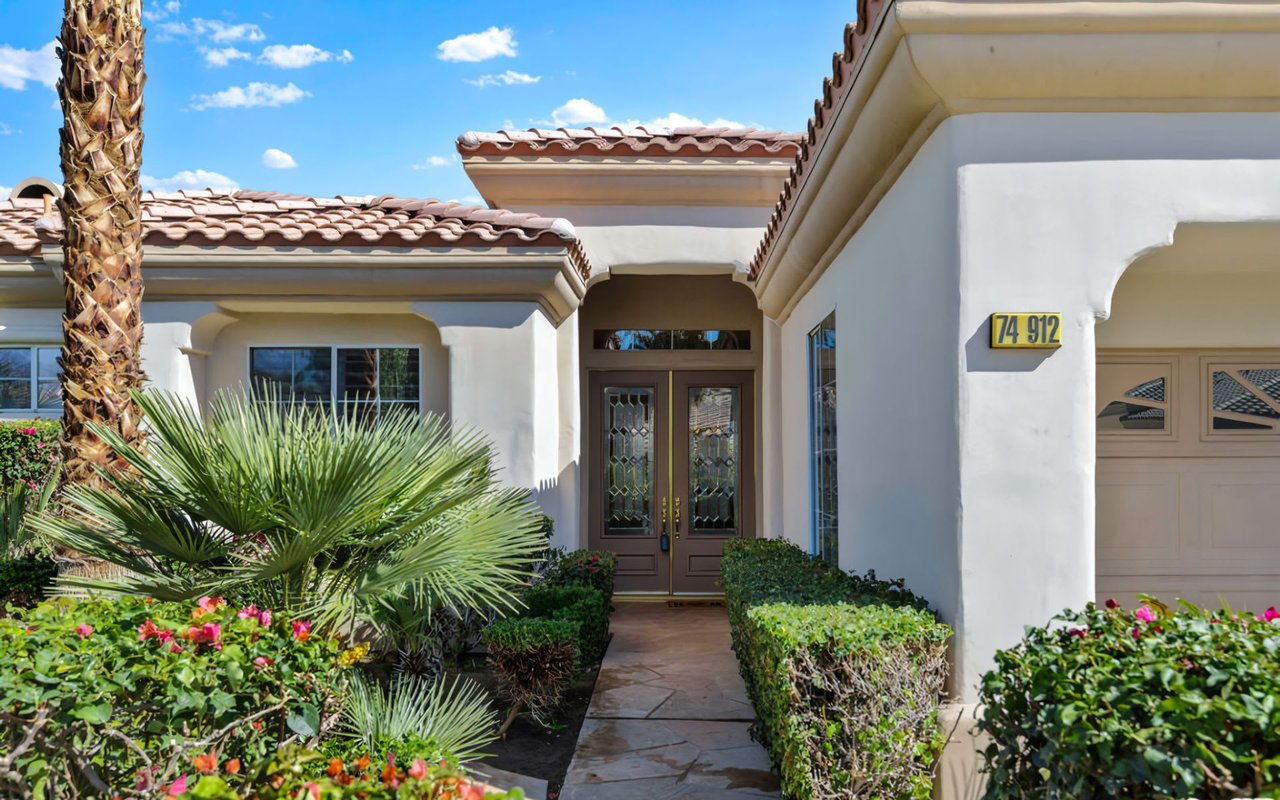
Housing Density & Format | Low-density custom estates & gated country clubs | Condos, single-family subdivisions & luxury estates |
Mean Commute Time | 25.3 minutes | 21.0 minutes (3 I-10 interchange access points) |
Commercial Anchors | The River, Sunnylands, Eisenhower Health | El Paseo, Acrisure Arena, McCallum Theatre, COD |
Best Match For | Quiet resort retreats, country clubs & medical access | Centrally connected living, shopping & civic amenities |
Source: U.S. Census Bureau QuickFacts, CDAR MLS 2026 Data, and City Planning Records.
Rancho Mirage at a Glance
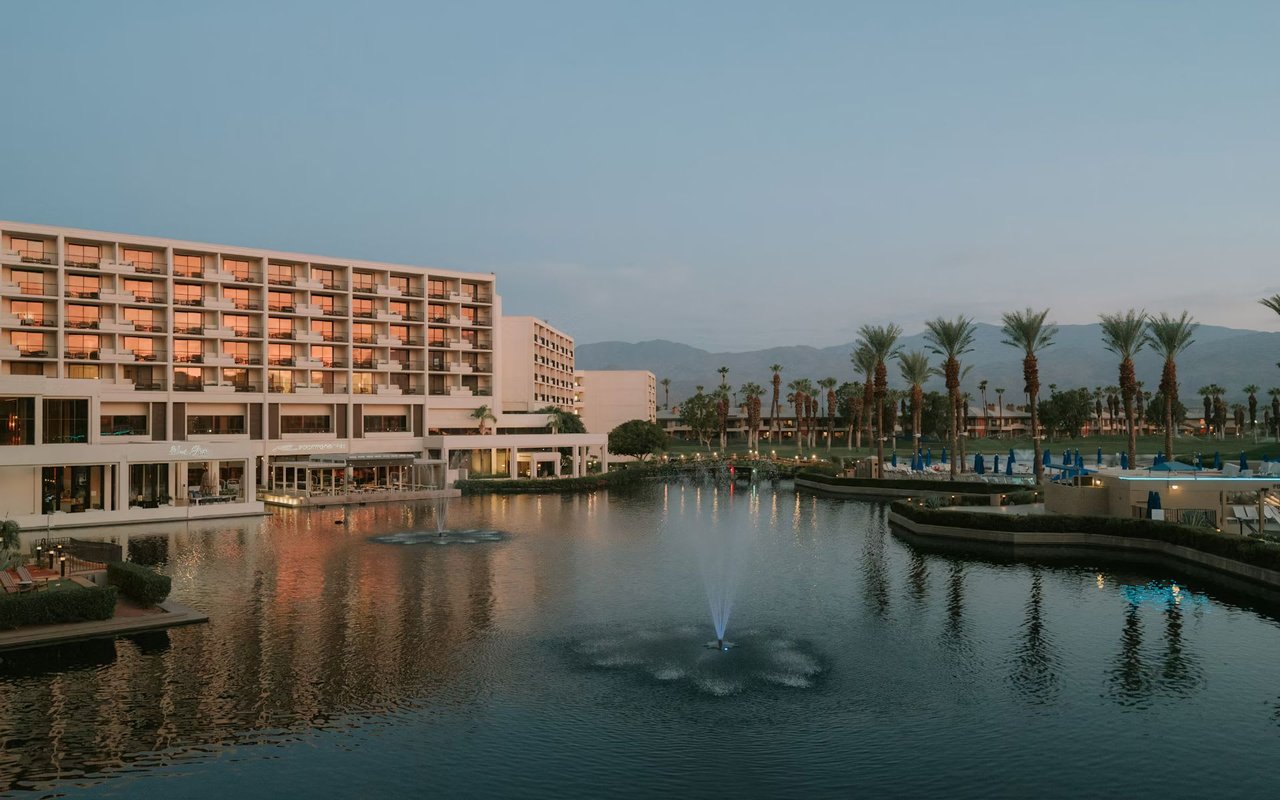
Rancho Mirage is a serene, resort-oriented city with a population of 18,001. Known historically as the "Presidential Playground," Rancho Mirage is characterized by low-density residential planning, world-class resort hotels, and major regional healthcare hubs like Eisenhower Health.
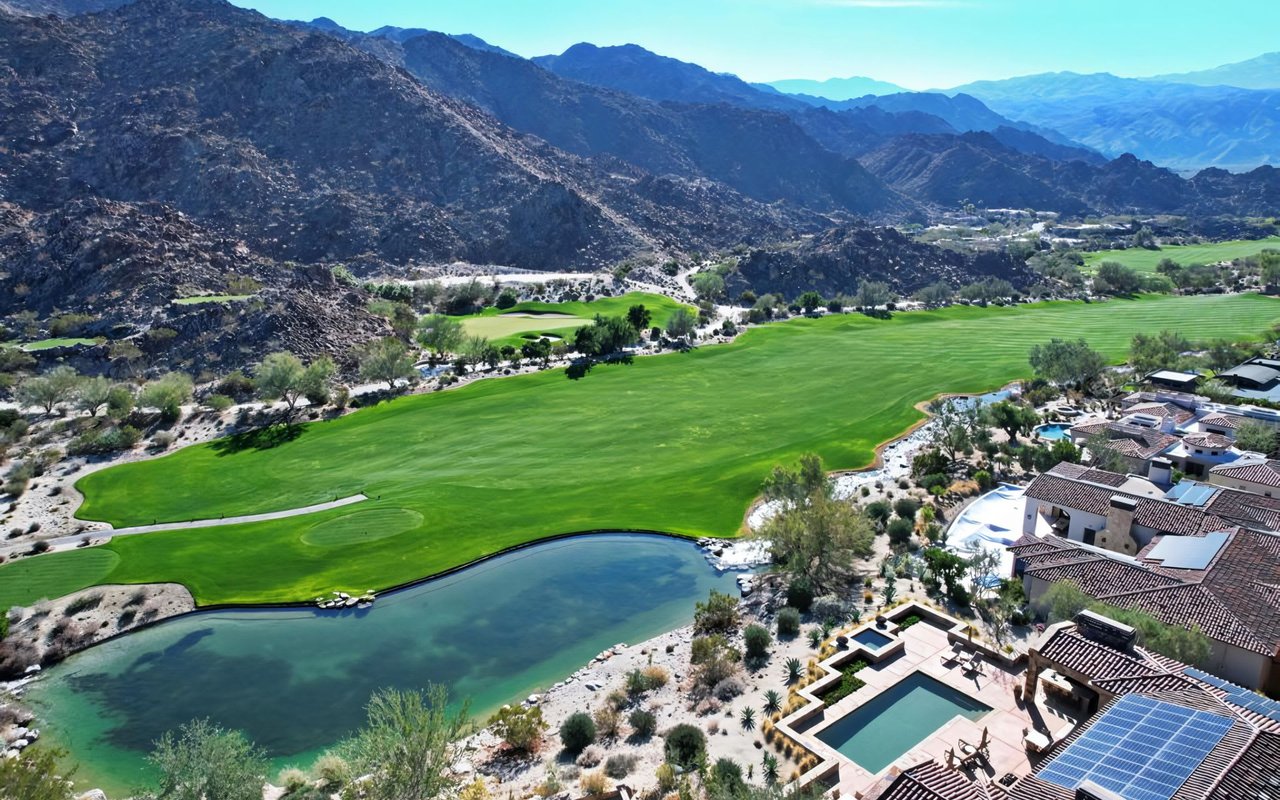
With an 82.0% owner-occupancy rate and 52.6% of residents age 65 and older, Rancho Mirage maintains a quiet, established, and second-home-friendly character. Its median owner-occupied home value of $807,200 reflects a high concentration of gated golf course communities and custom estates.
Palm Desert at a Glance
Palm Desert functions as the geographical, retail, and cultural heart of the Coachella Valley. With a population of 53,147, Palm Desert offers a dynamic, diverse environment featuring top-tier shopping along El Paseo, higher education campuses (College of the Desert, CSUSB, UCR), and regional entertainment centers like the McCallum Theatre and Acrisure Arena.
Palm Desert's housing profile includes an owner-occupancy rate of 65.0% and a median home value of $542,000. This lower entry threshold provides buyers with expansive options across golf condos, single-family subdivisions, and luxury South Palm Desert estates.
Housing Options & Architectural Styles
Rancho Mirage Housing Style
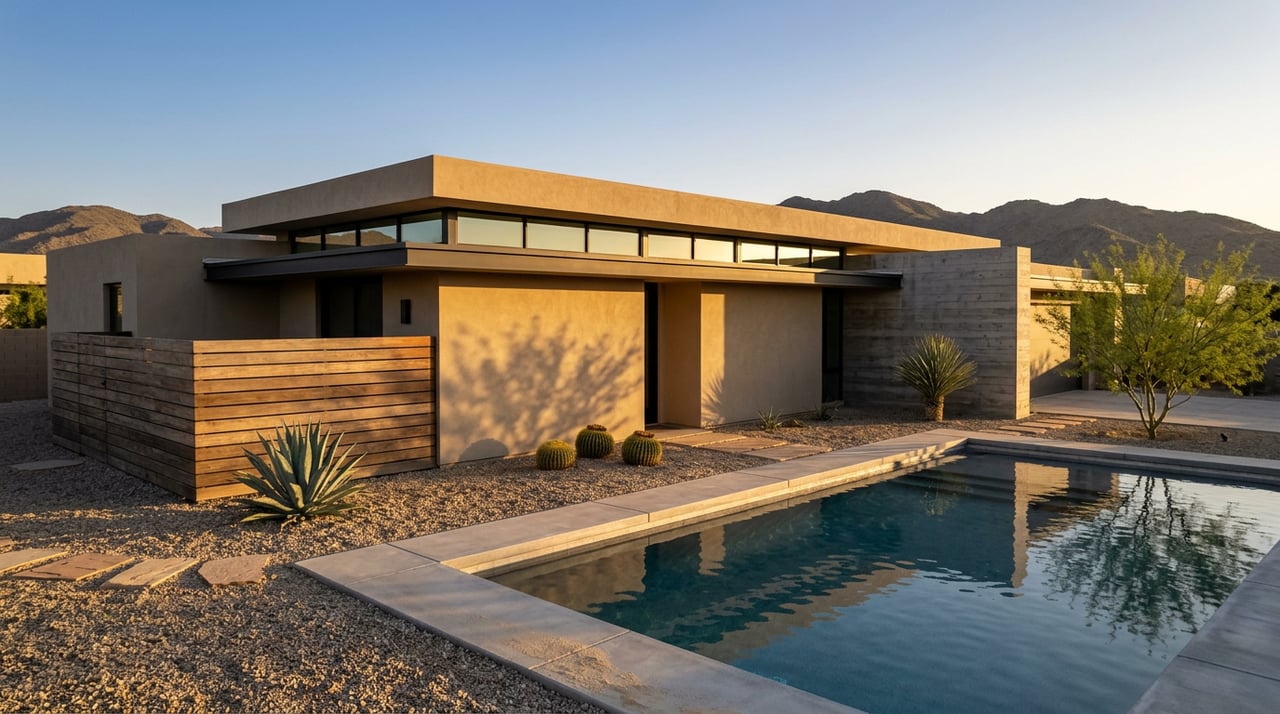
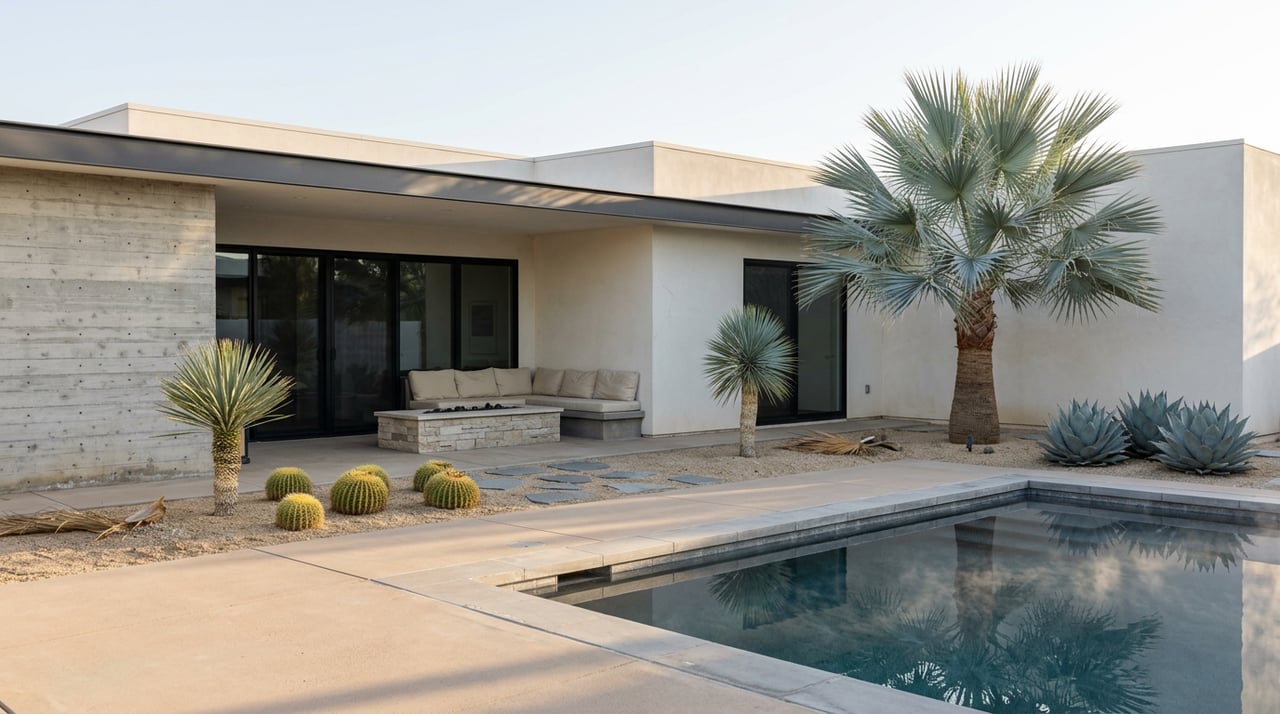
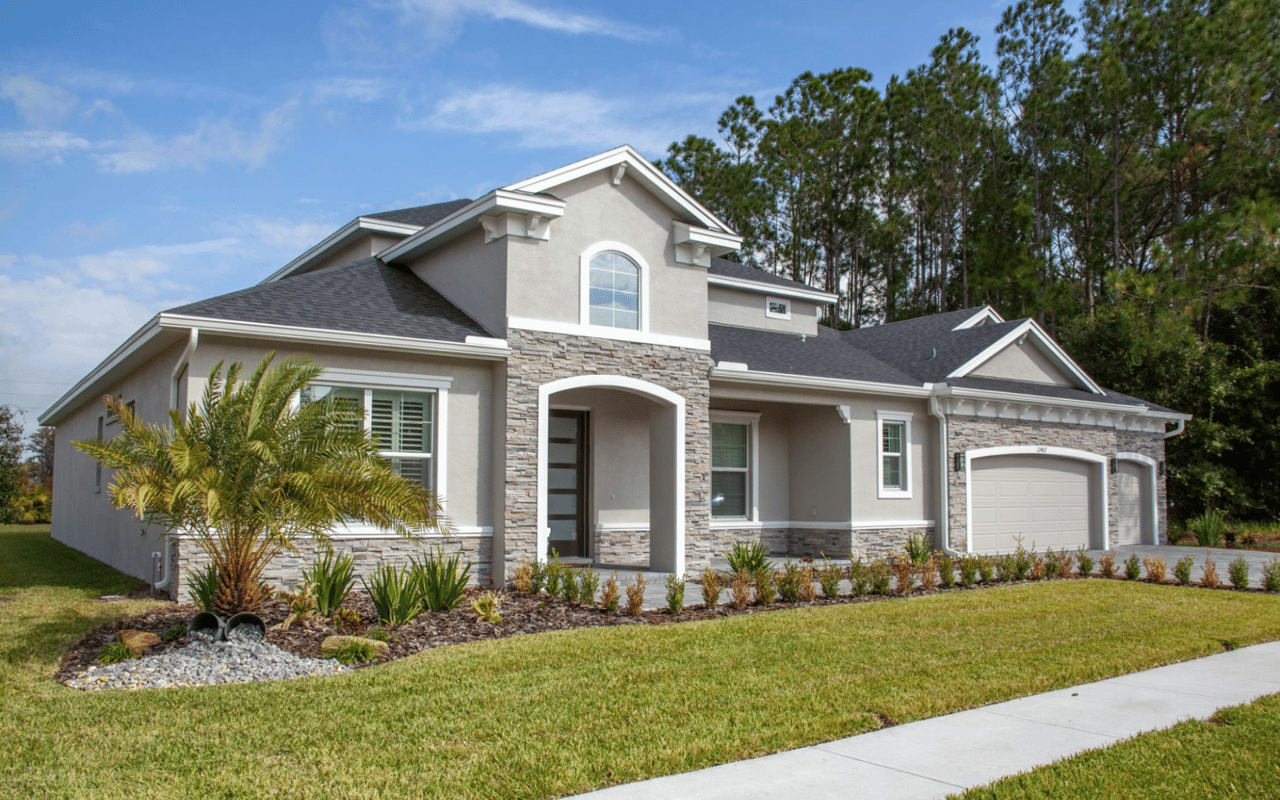
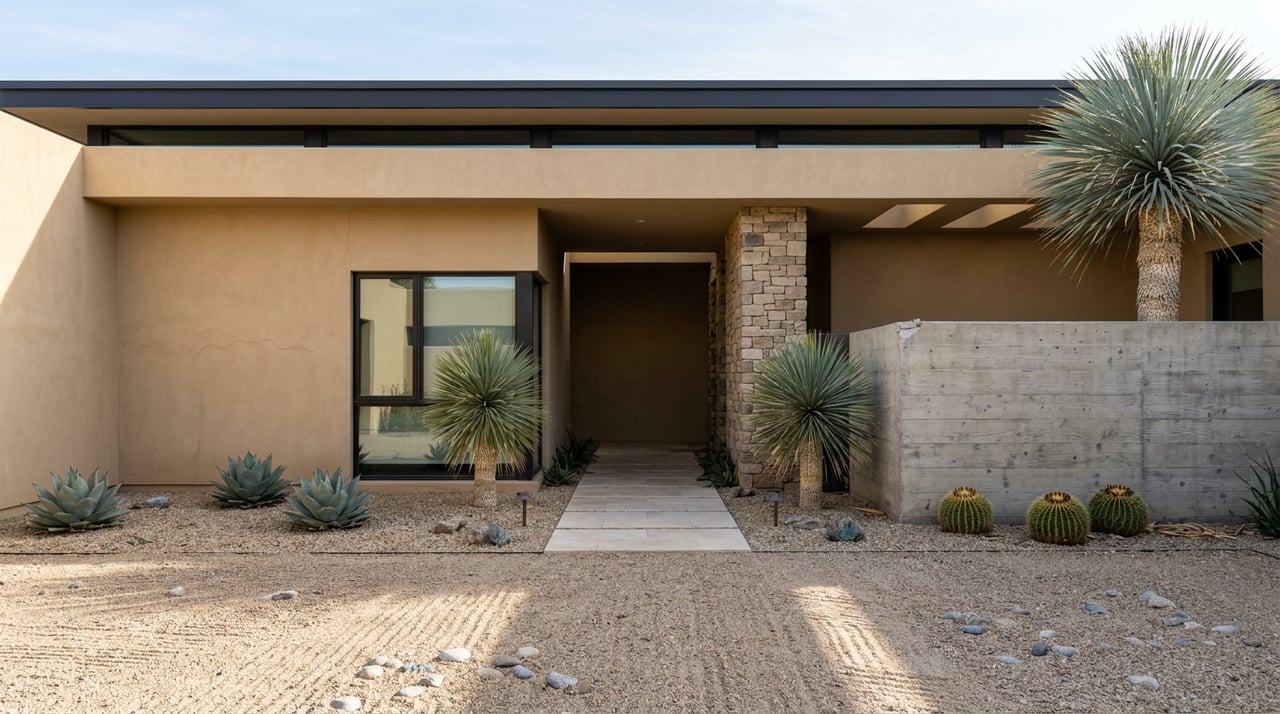
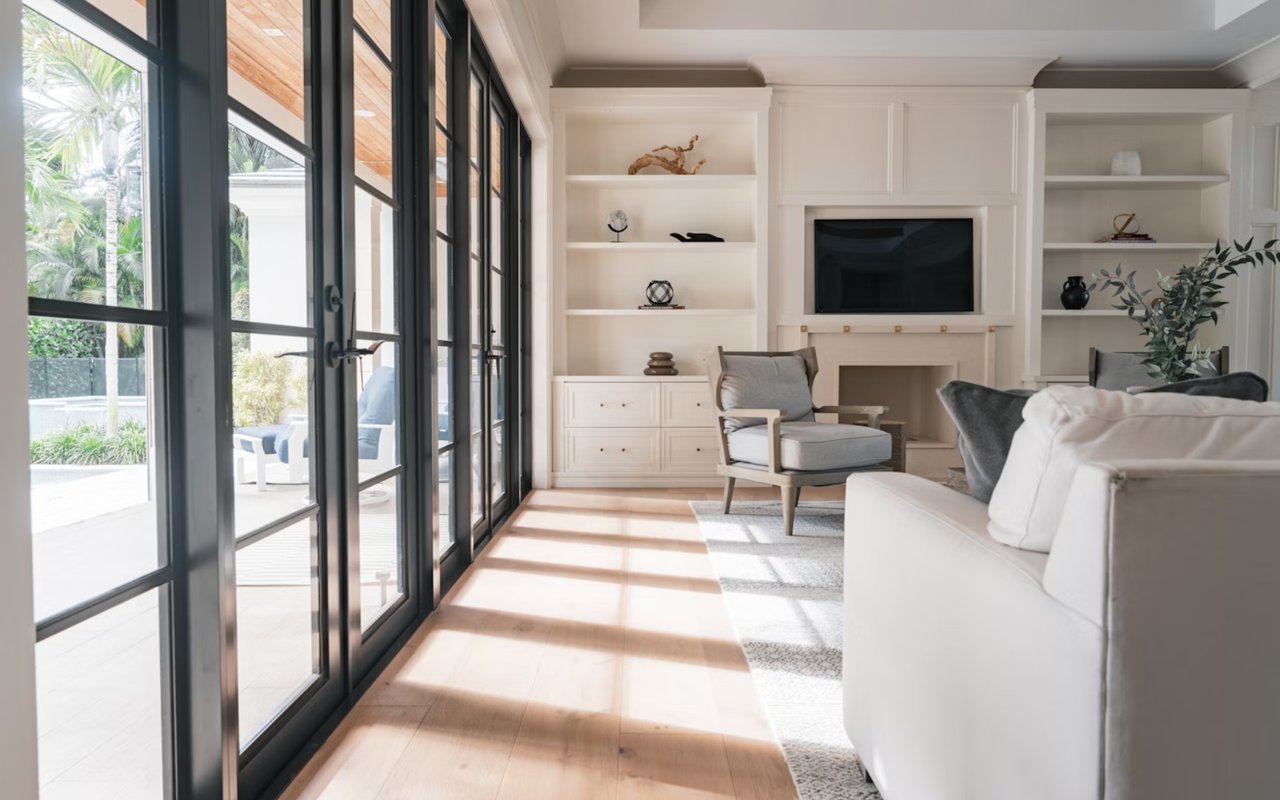
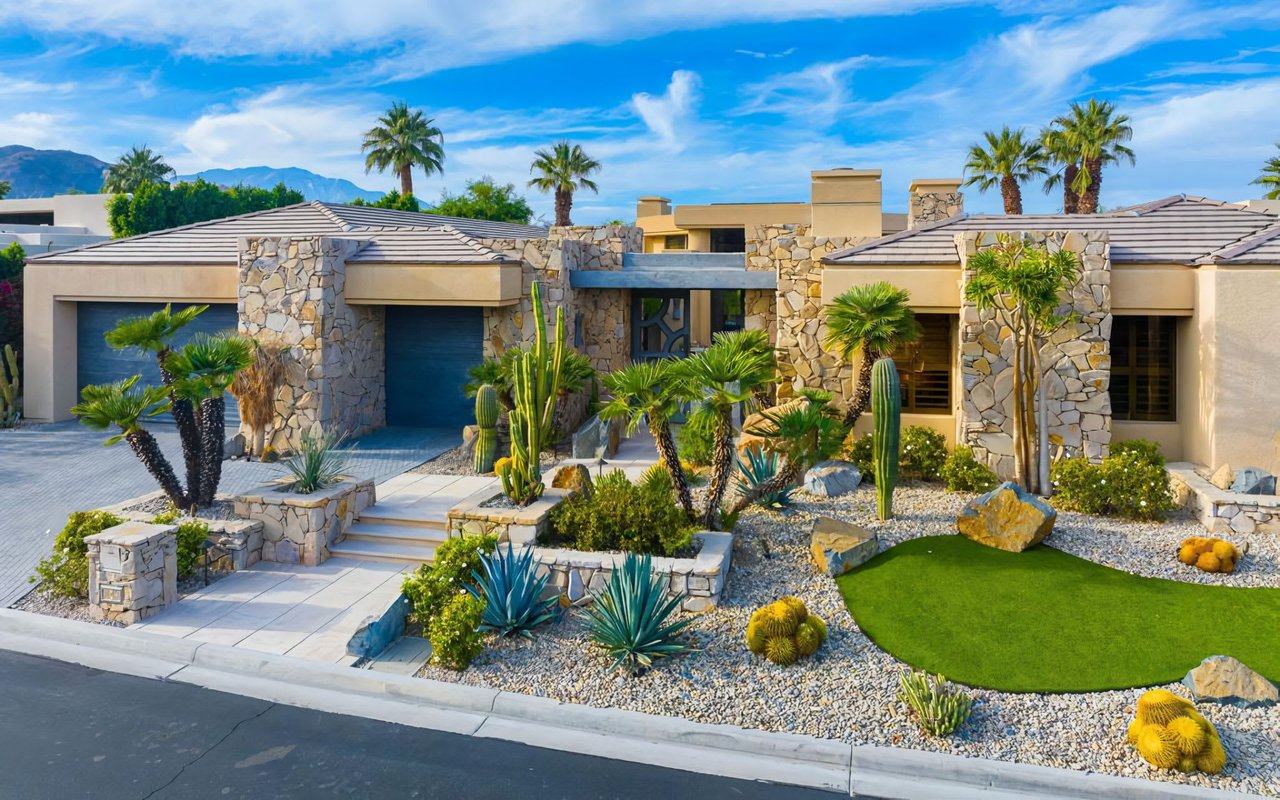
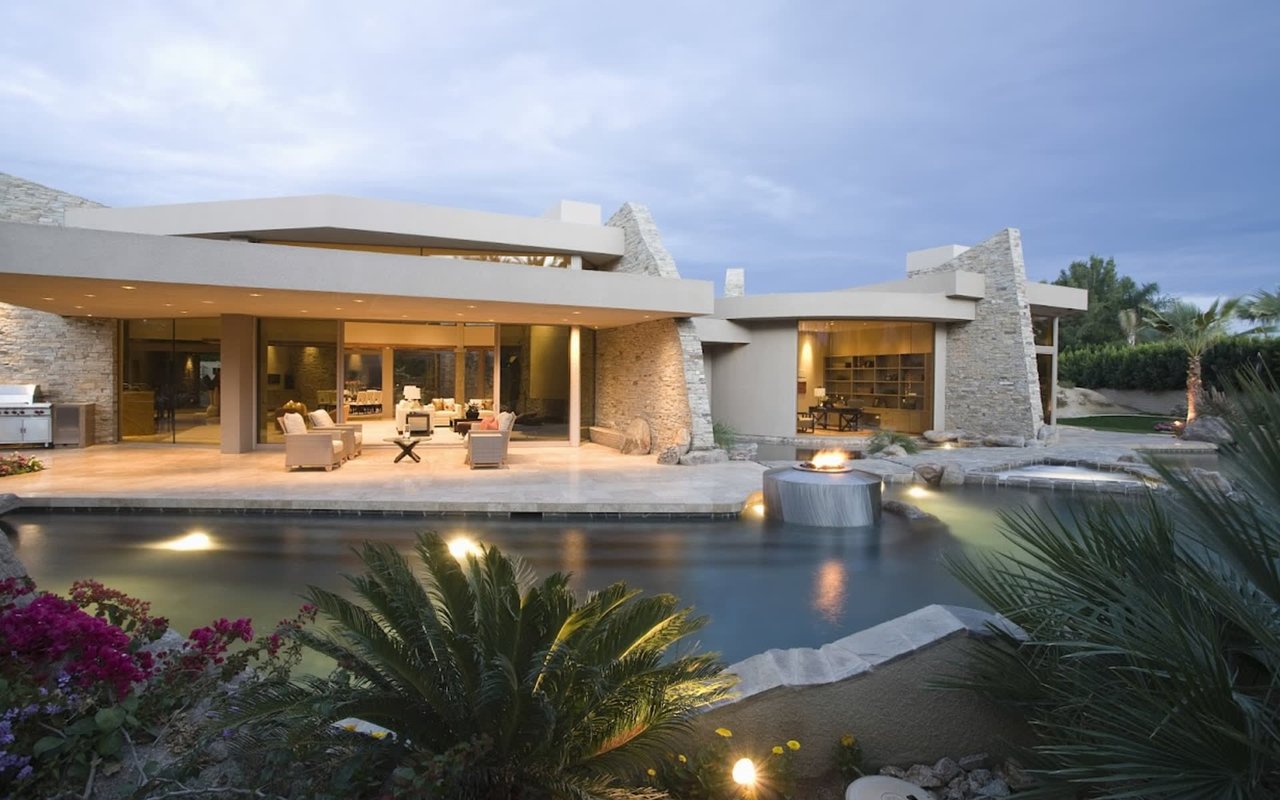
Rancho Mirage leans heavily toward low-density estate developments, gated country club communities (Thunderbird, Tamarisk, The Springs), and custom architectural compounds. Higher-density condo pockets exist within specific plans like Section 19. Many neighborhoods feature mandatory HOAs with monthly dues supporting private security and land maintenance.
Palm Desert Housing Style
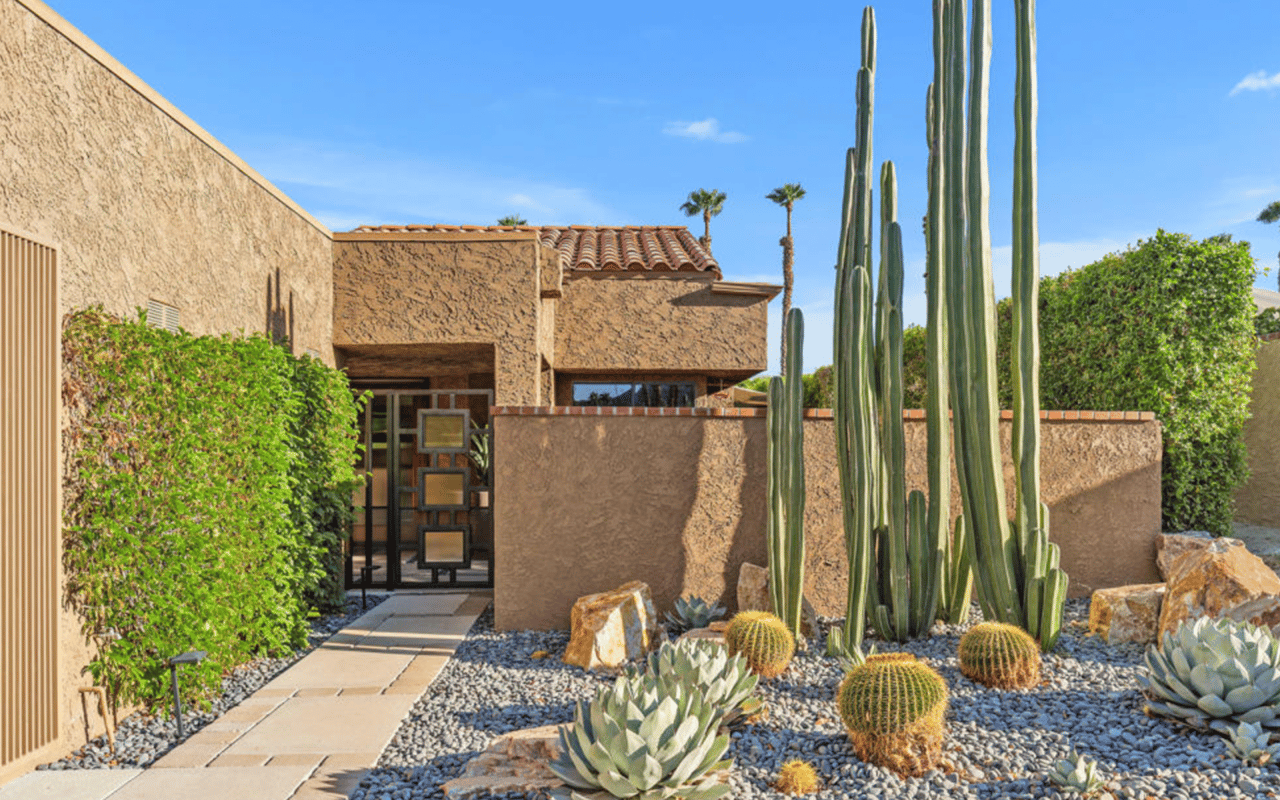
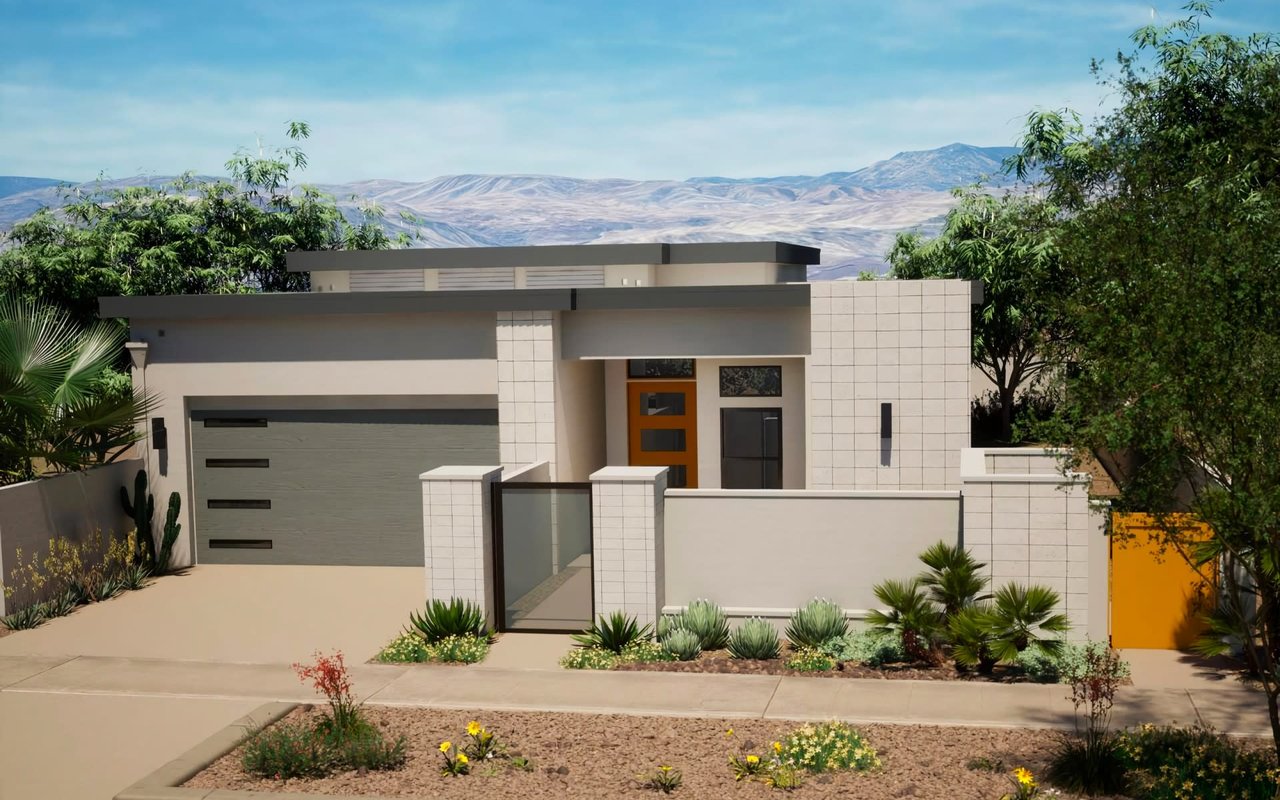
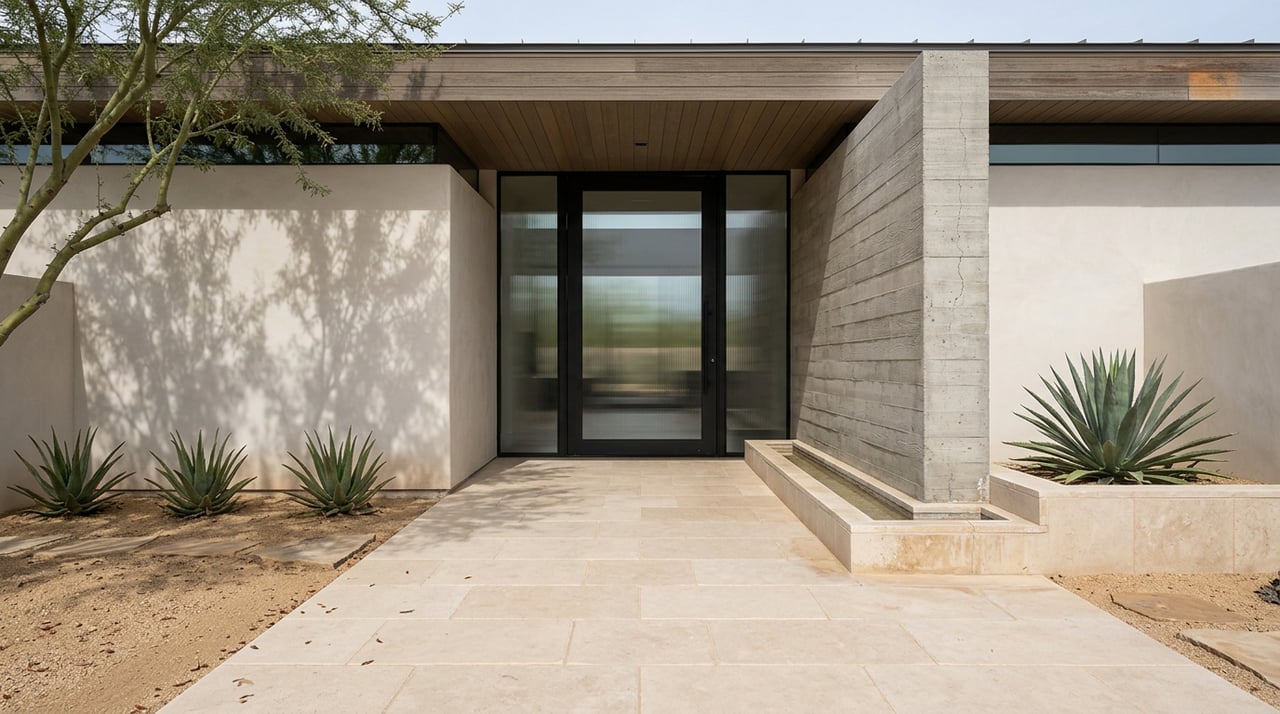
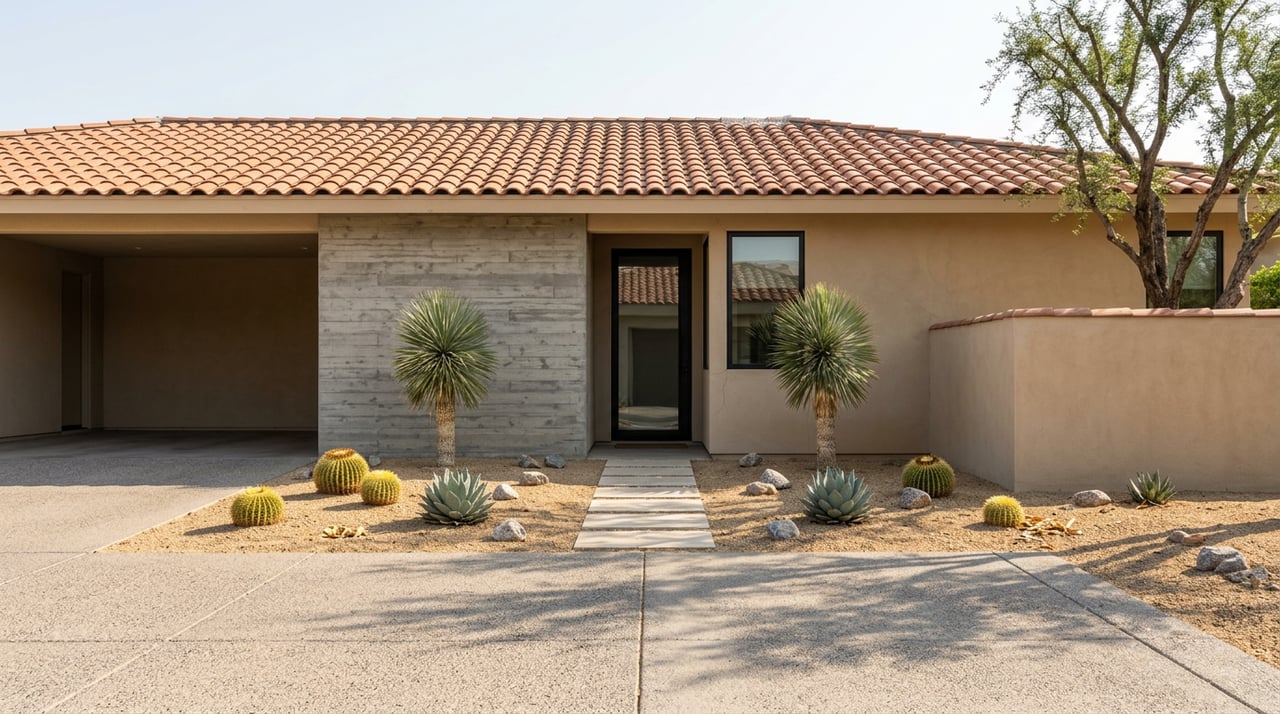
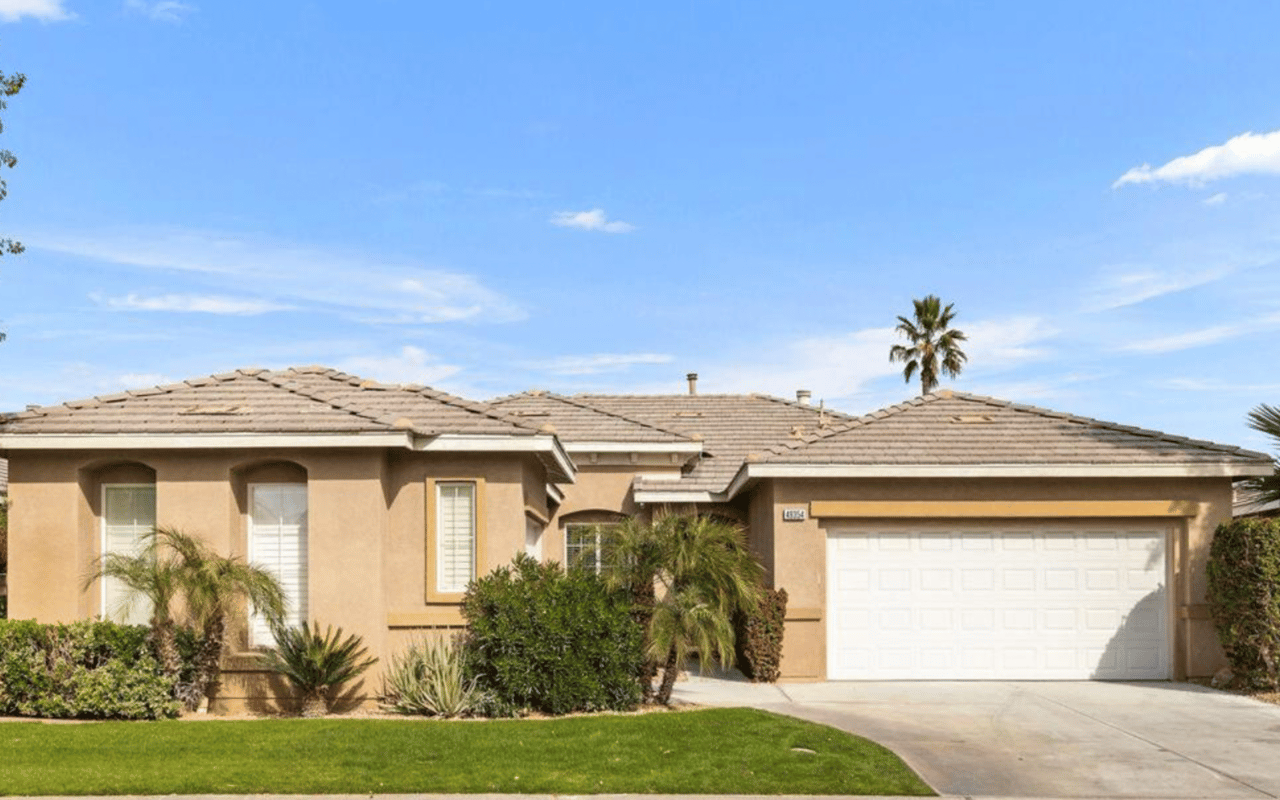
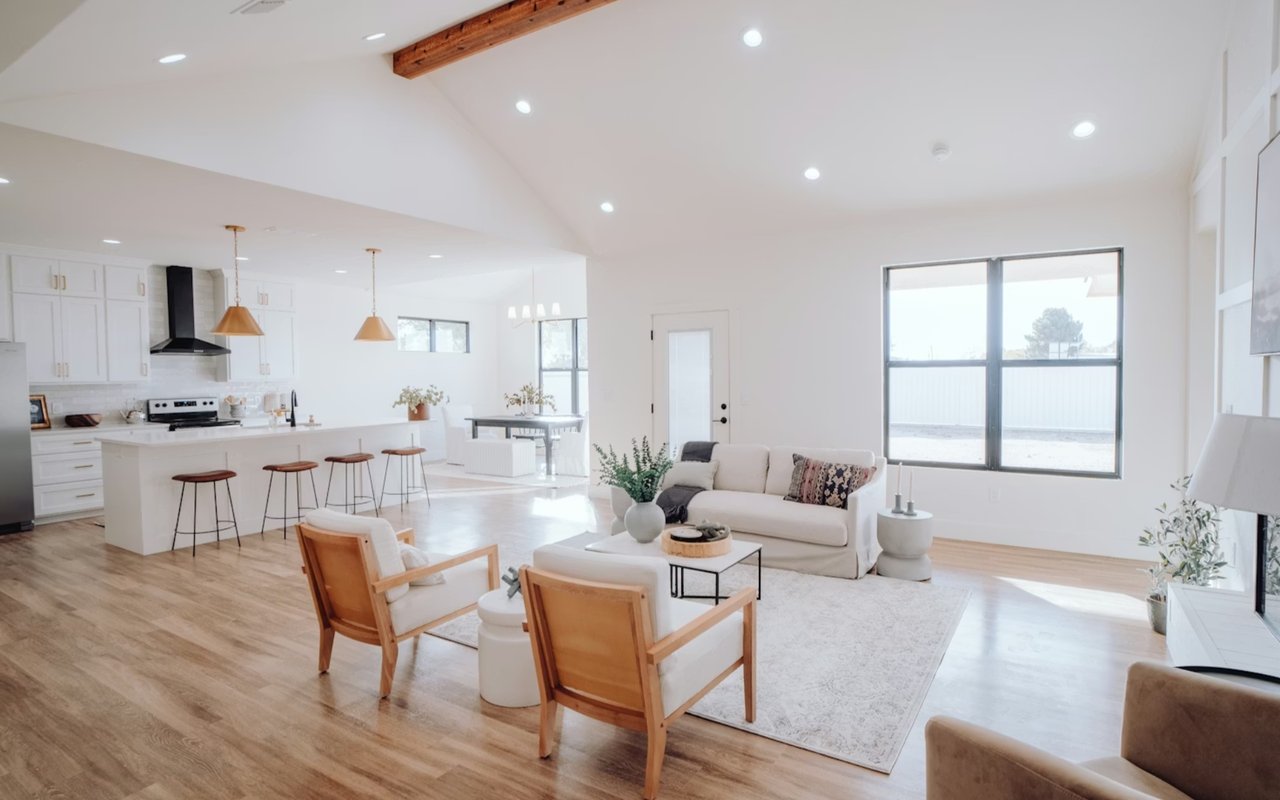
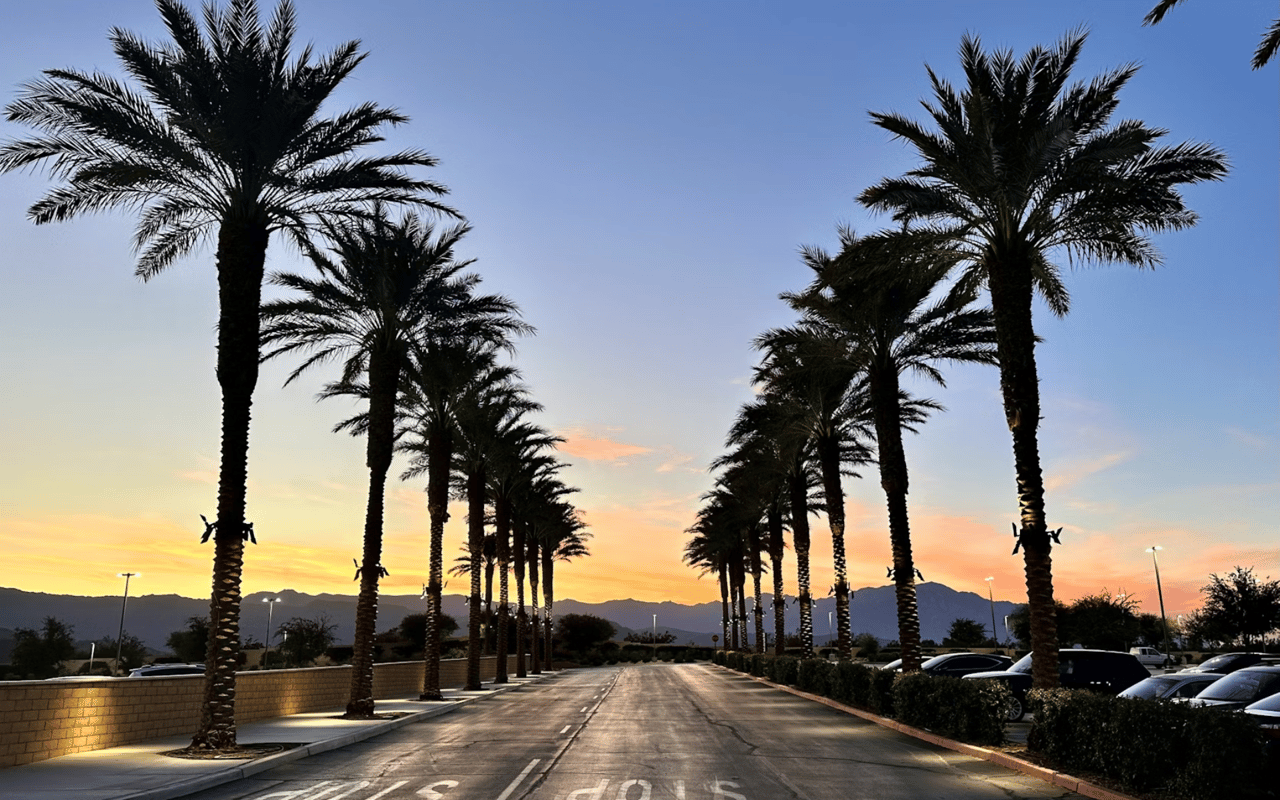
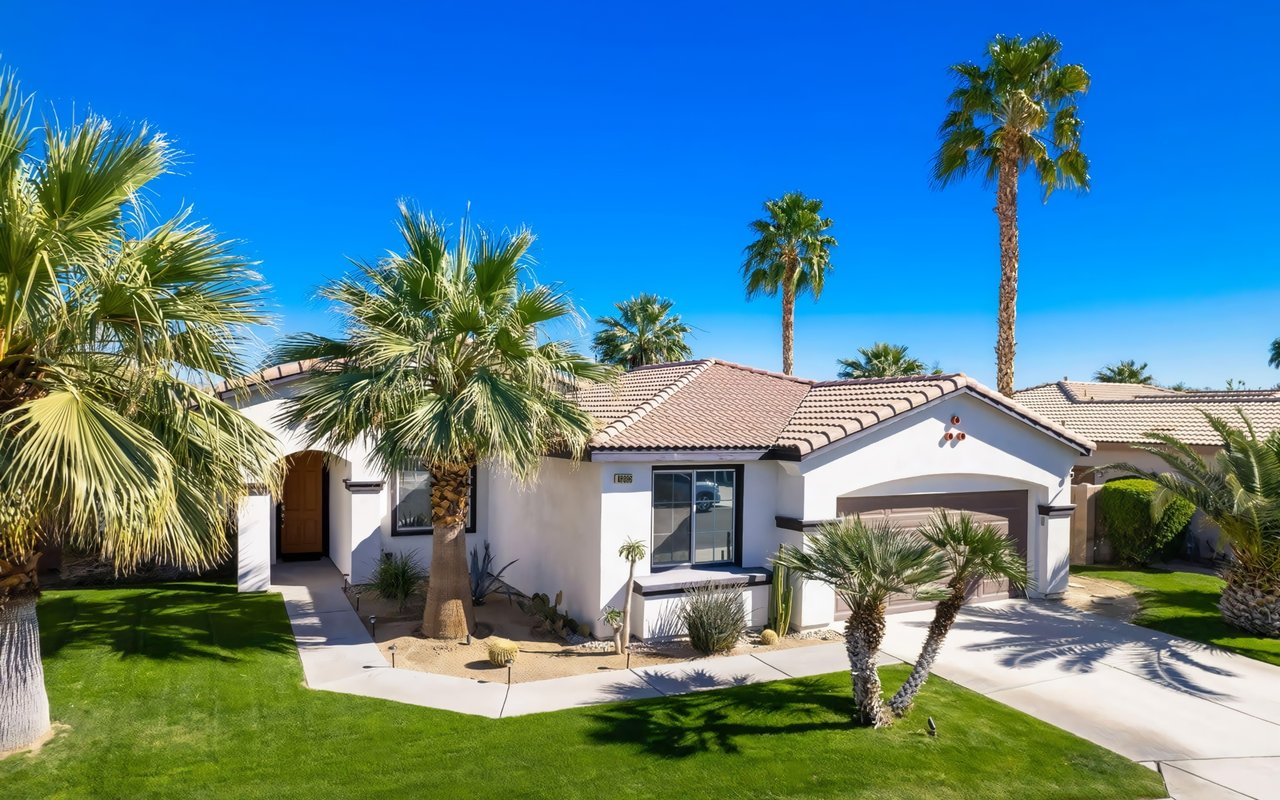
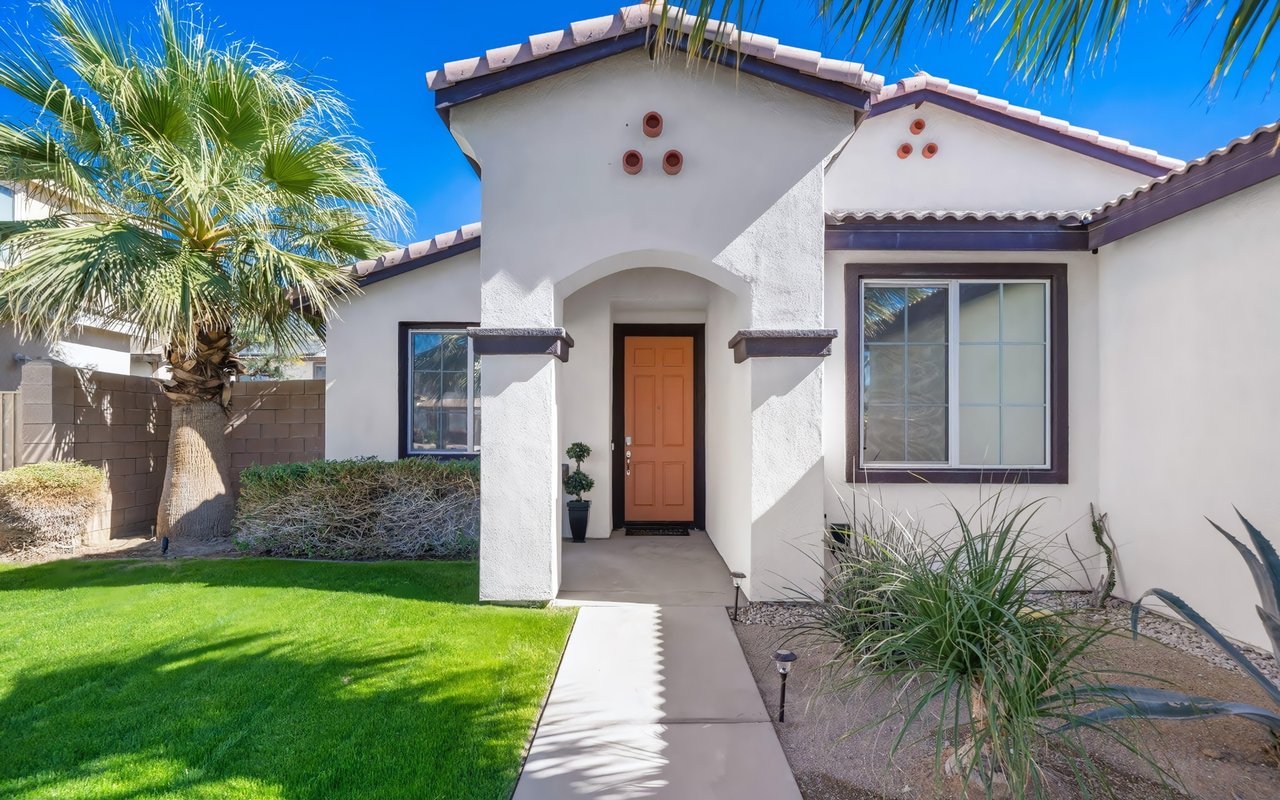
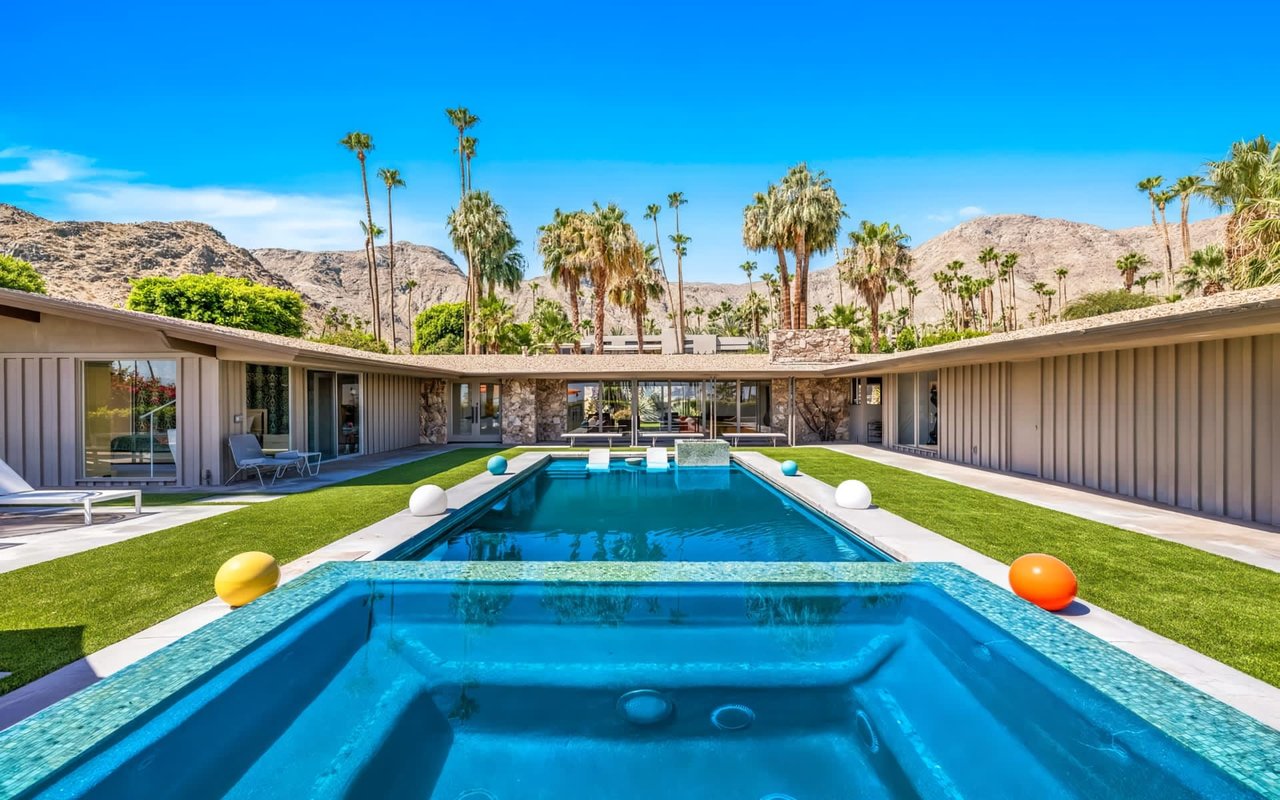
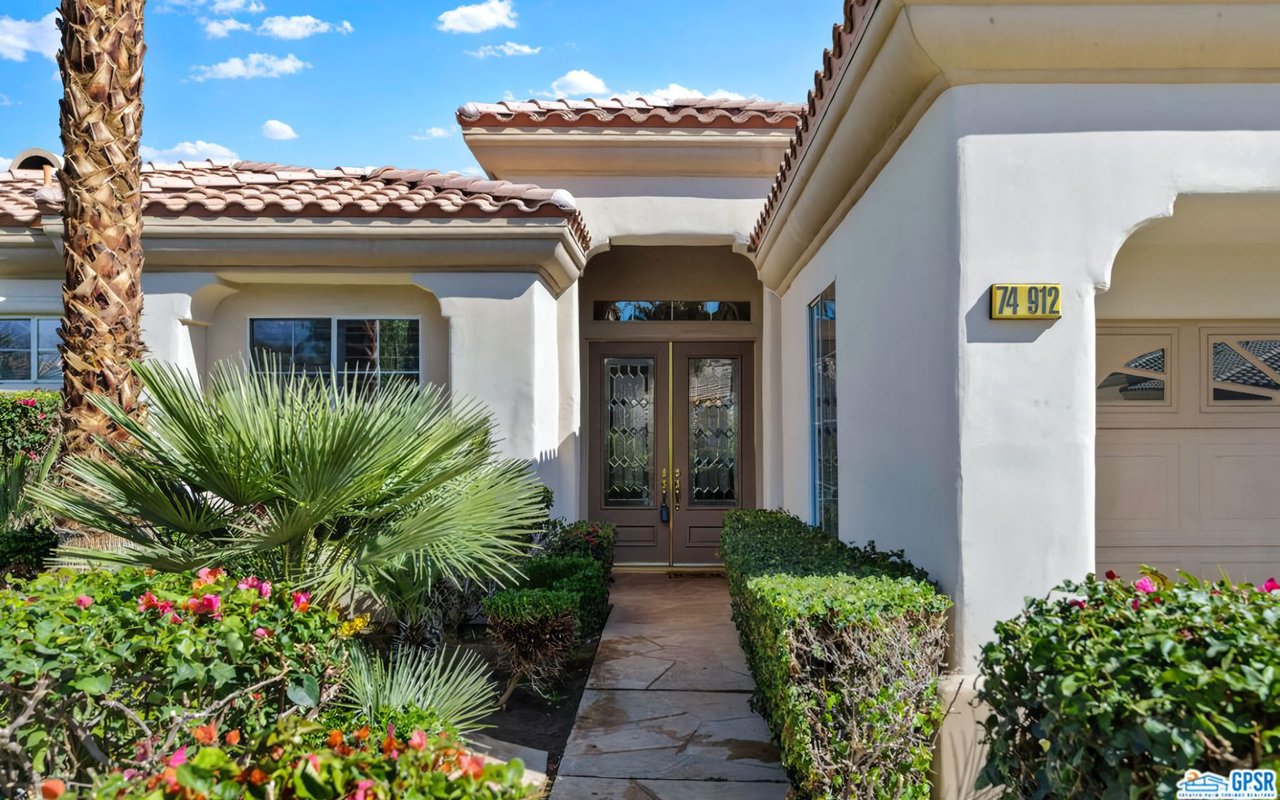
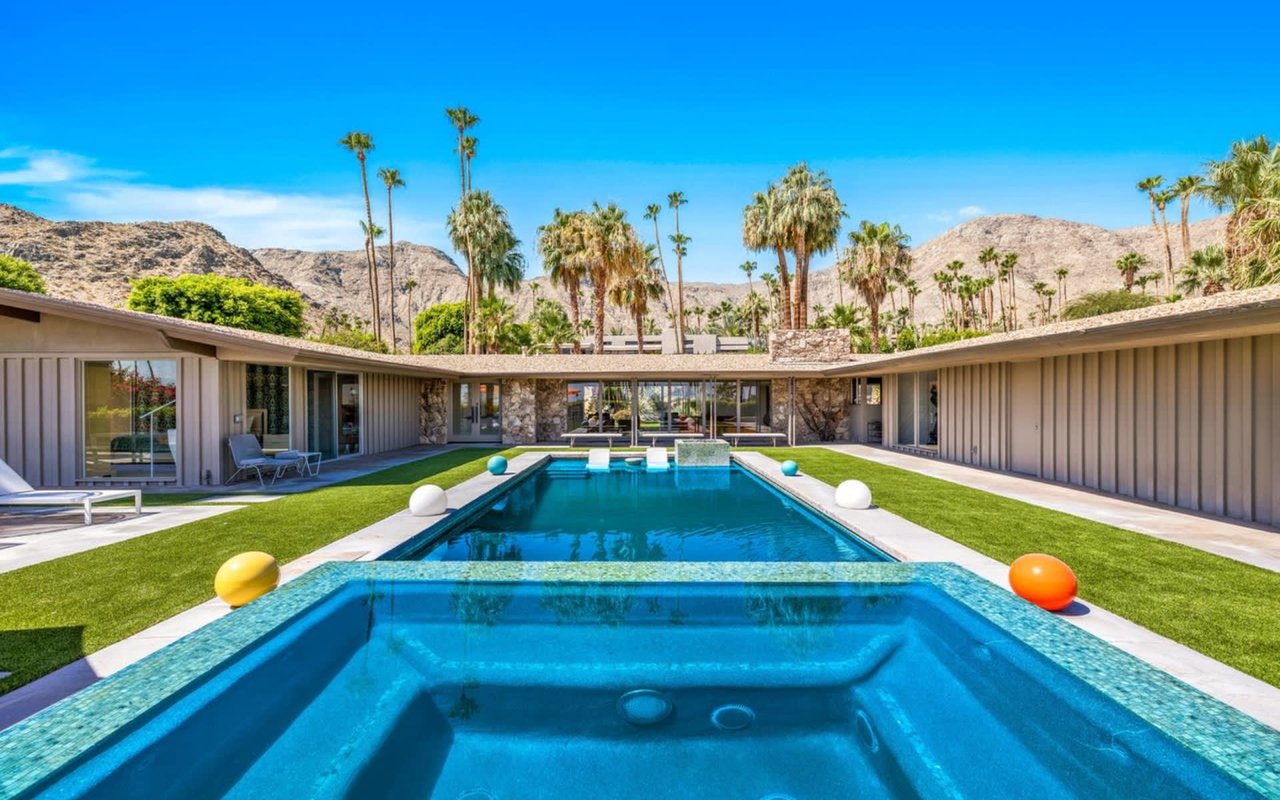
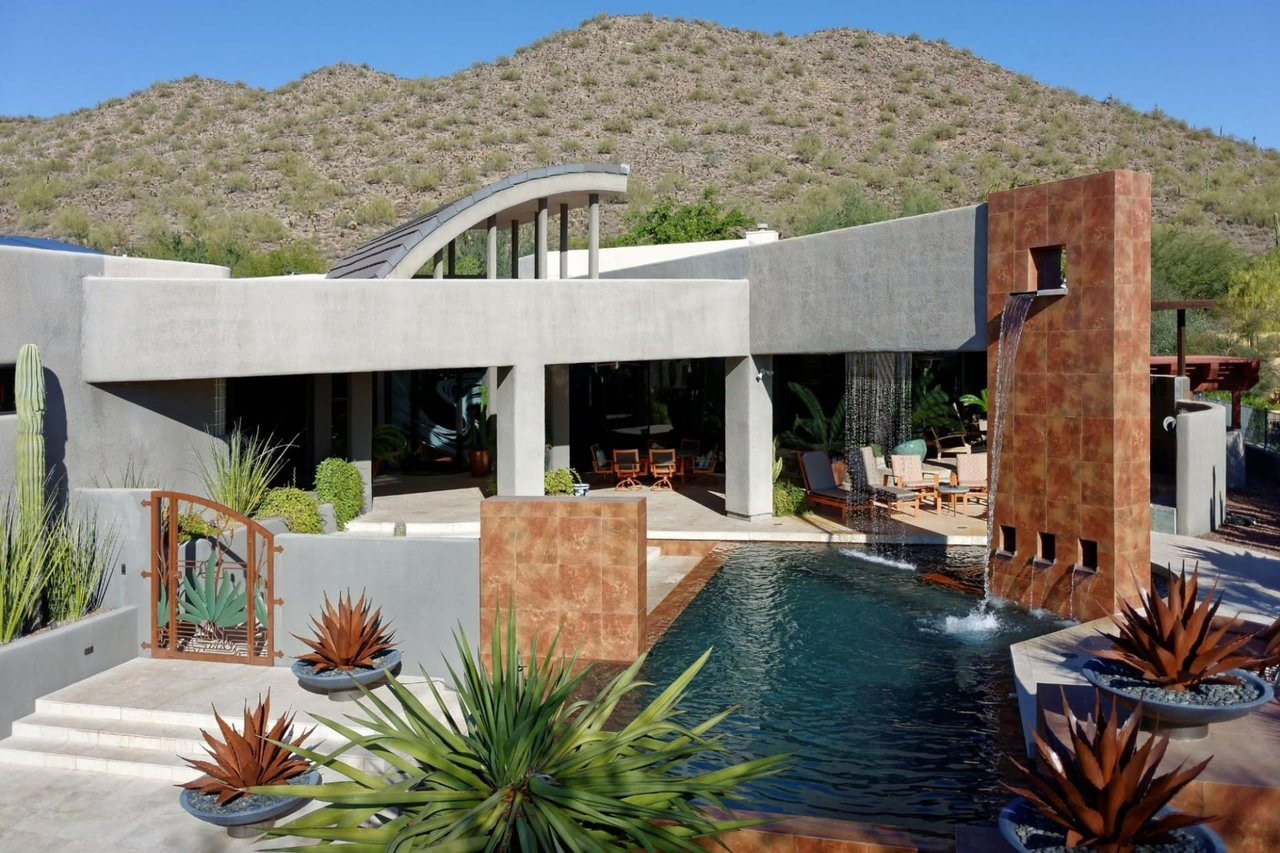
Palm Desert offers a broader residential spectrum. From non-HOA mid-century modern single-family homes in South Palm Desert to resort condominiums and ultra-luxury estates in Bighorn Golf Club, buyers can choose between varied price points. New mixed-use housing developments are expanding along Highway 111 and the University district.
Lifestyle Feel: Resort Calm vs. Everyday Convenience
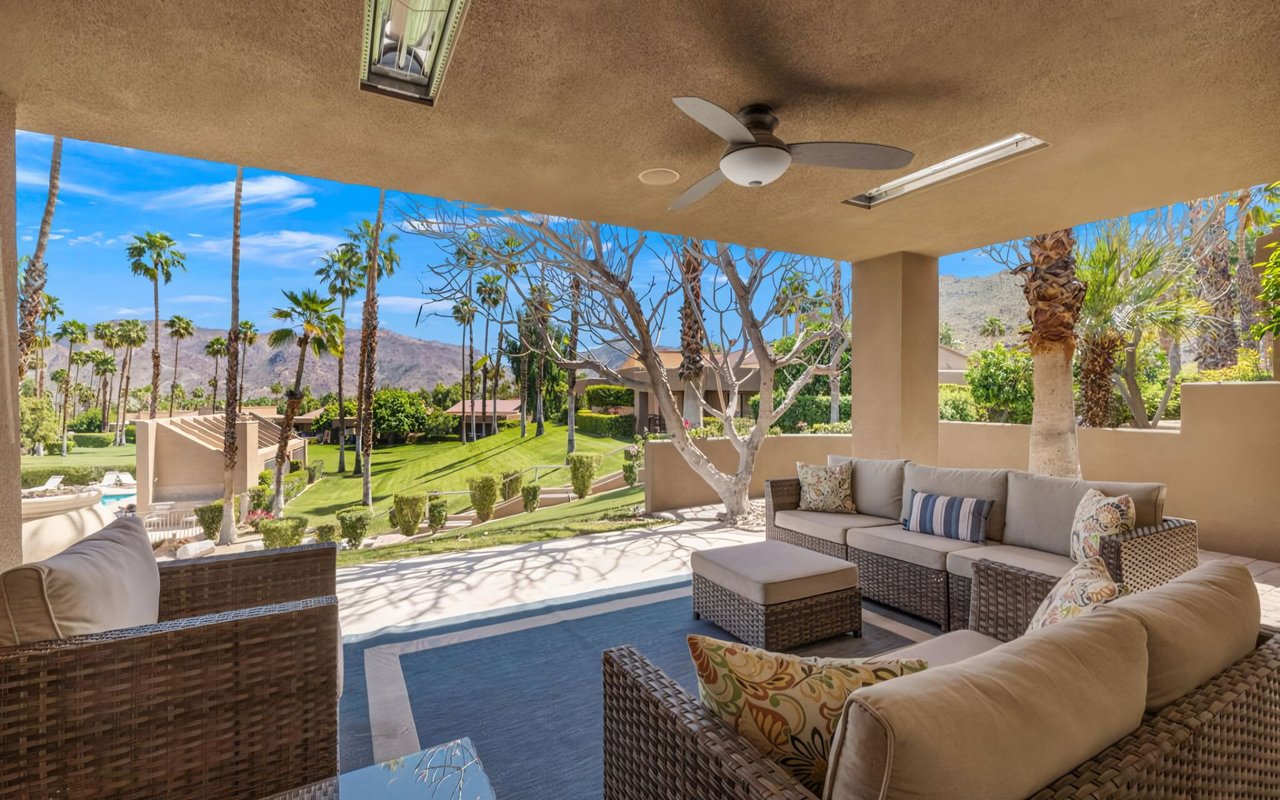
Rancho Mirage Lifestyle: Quiet, polished, and leisure-focused. Key lifestyle anchors include The River at Rancho Mirage, Rancho Las Palmas, Sunnylands Center & Gardens, and Eisenhower Health. Golf-cart friendly routes and quiet trails foster a relaxed retreat environment.
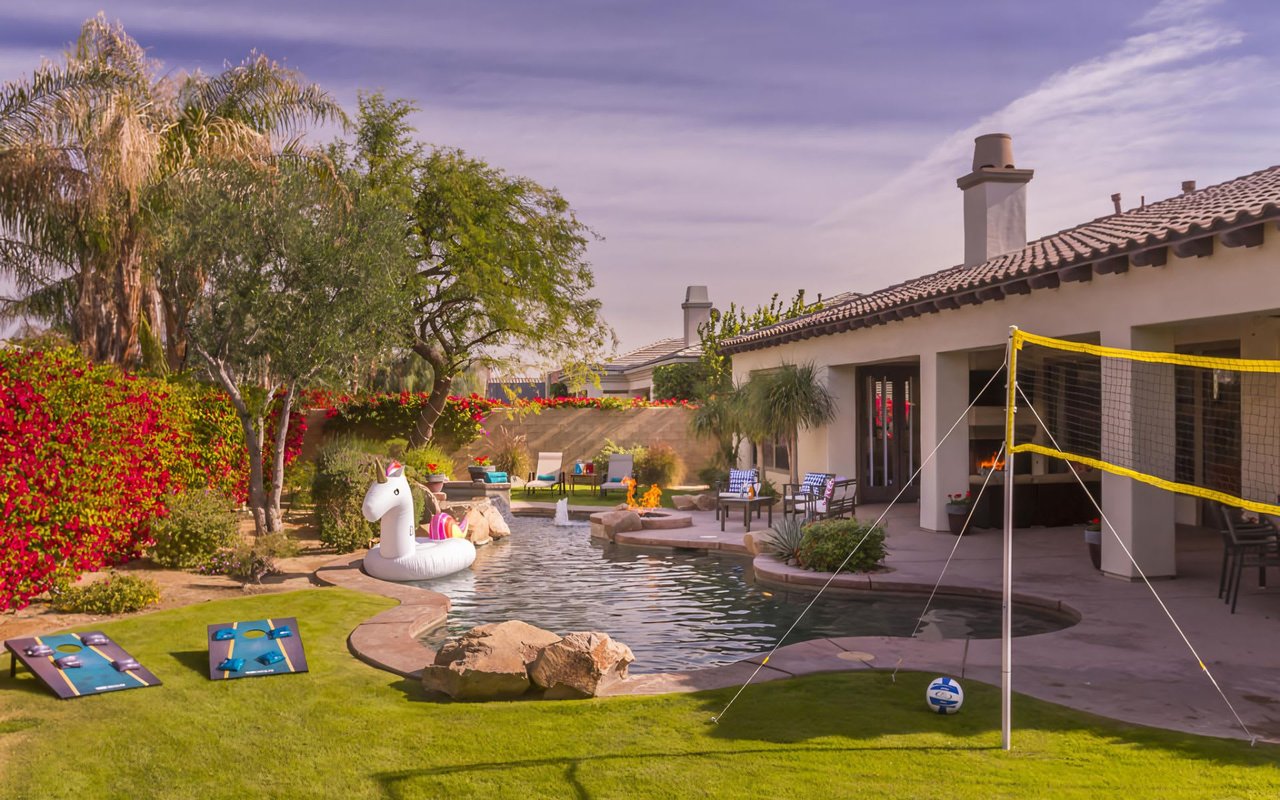
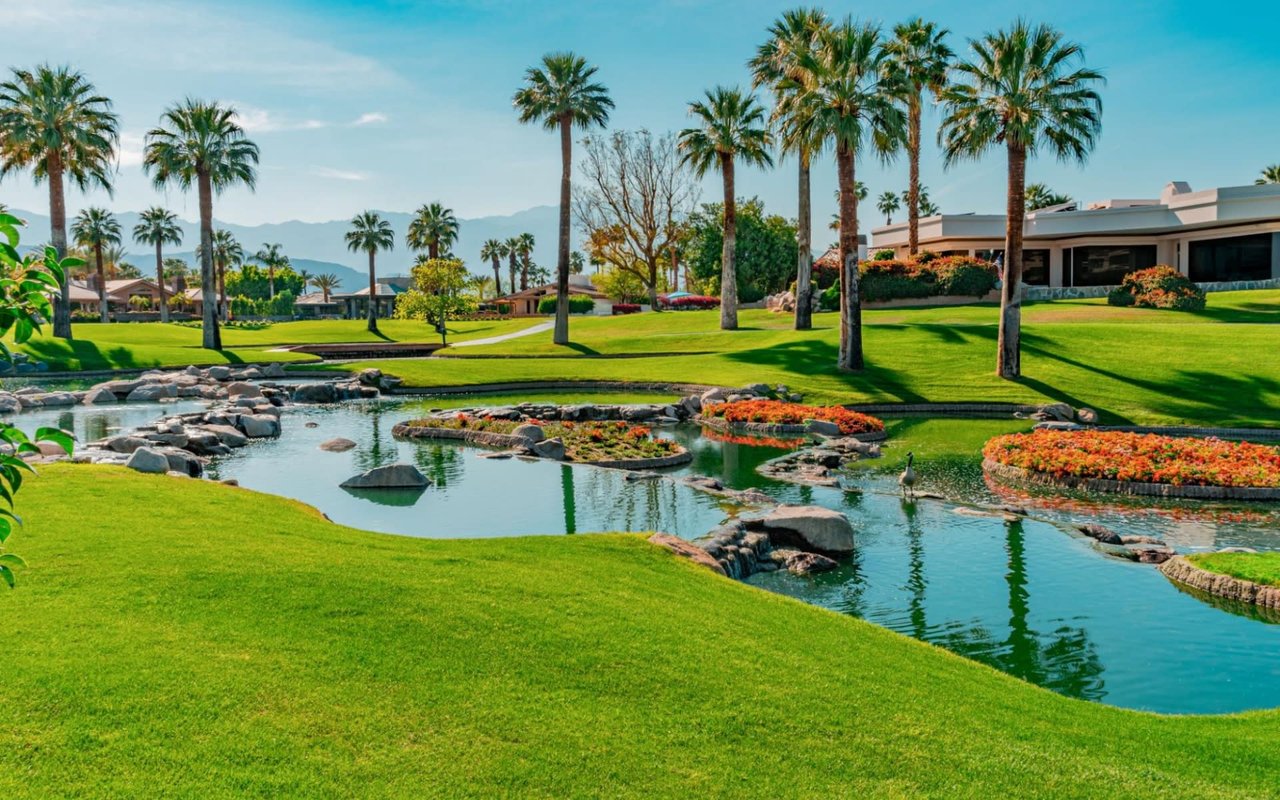
Palm Desert Lifestyle: Vibrant, active, and convenient. Palm Desert features 17 public parks, 25+ miles of trails, the Palm Desert Aquatic Center, The Living Desert Zoo & Gardens, and major retail centers (El Paseo, The Shops at Palm Desert). For dining recommendations, check our Palm Desert Restaurant Guide.
Need Help Choosing Between Rancho Mirage & Palm Desert?
Team Armstrong offers personalized market consultations, HOA fee breakdowns, and private property tours tailored to your lifestyle requirements.
Commute Times & Regional Travel
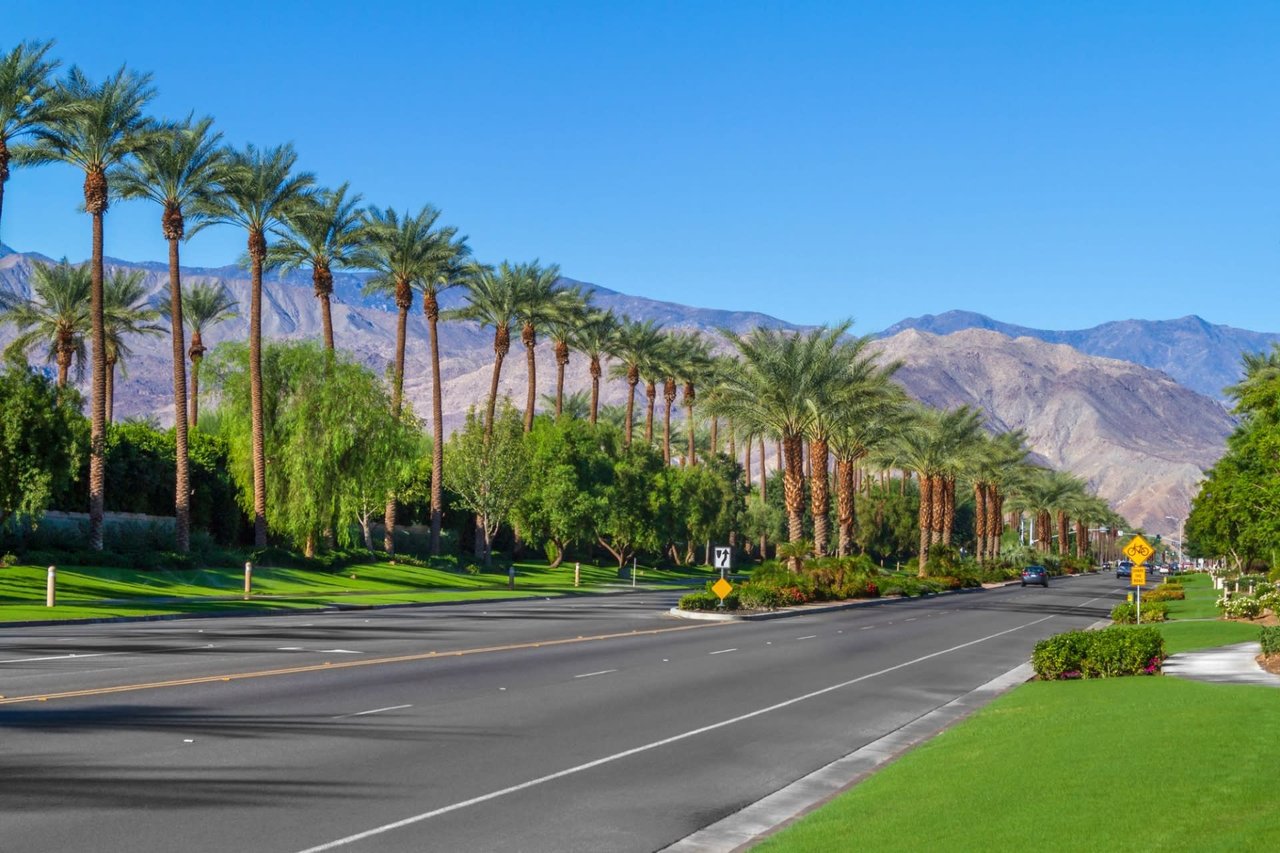
Palm Desert holds a slight transit advantage with a 21.0-minute mean commute time and three Interstate 10 access points (Monterey Ave, Cook St, Washington St). Rancho Mirage records a 25.3-minute commute, accessing I-10 via Monterey Ave and Bob Hope Dr, with heavy commercial transit along Highway 111 (exceeding 65,000 daily vehicles).
Short-Term Rental Regulations (STR Notice)
Short-term rental policies require careful review in both cities. Rancho Mirage permits short-term rentals only in designated single-family zones and HOA communities that explicitly allow them in their CC&Rs, requiring annual municipal STR certificates and transient occupancy tax collection. Palm Desert maintains strict STR bans in single-family residential zones while allowing licensed operations in specific resort-zoned complexes.
Coachella Valley Municipal Checklist
- Healthcare Access: Rancho Mirage houses Eisenhower Health (Level II Trauma Center); Palm Desert is served by Eisenhower outpatient centers and Desert Regional facilities.
- HOA Due Checks: Always verify HOA monthly dues, capital reserves, and rental restrictions during contract contingencies.
- Utility Providers: Electricity provided by Southern California Edison (SCE) or Imperial Irrigation District (IID depending on zone); water by Coachella Valley Water District (CVWD).
Authored by Team Armstrong Real Estate
Team Armstrong is a premier luxury real estate advisory team serving Palm Desert, Rancho Mirage, Indian Wells, and the broader Coachella Valley. With decades of local transaction background across country clubs, mid-century modern homes, and gated estates, Team Armstrong delivers unmatched client representation.
Frequently Asked Questions: Rancho Mirage vs. Palm Desert
Ready to Find Your Desert Home Base?
Contact Team Armstrong today for expert guidance in comparing Rancho Mirage and Palm Desert neighborhoods and securing your ideal property.