If you’re thinking about buying a condo in Indian Wells, the biggest question usually is not just which unit looks best. It’s whether the community’s rules, costs, and lifestyle actually match how you plan to use the property. For many buyers, especially second-home owners and downsizers, a condo can be a smart fit here. The key is knowing what to review before you commit, and that’s exactly what you’ll find below. Let’s dive in.
Why condos appeal in Indian Wells
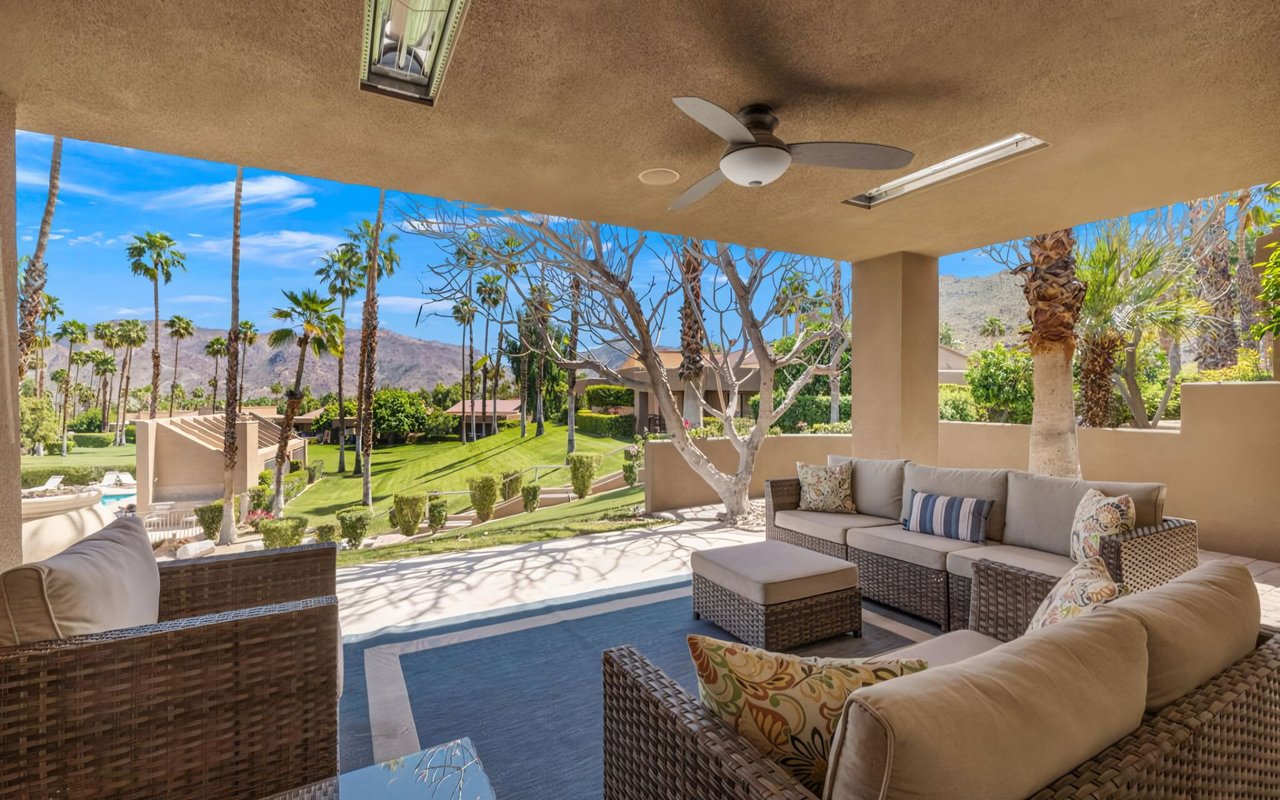
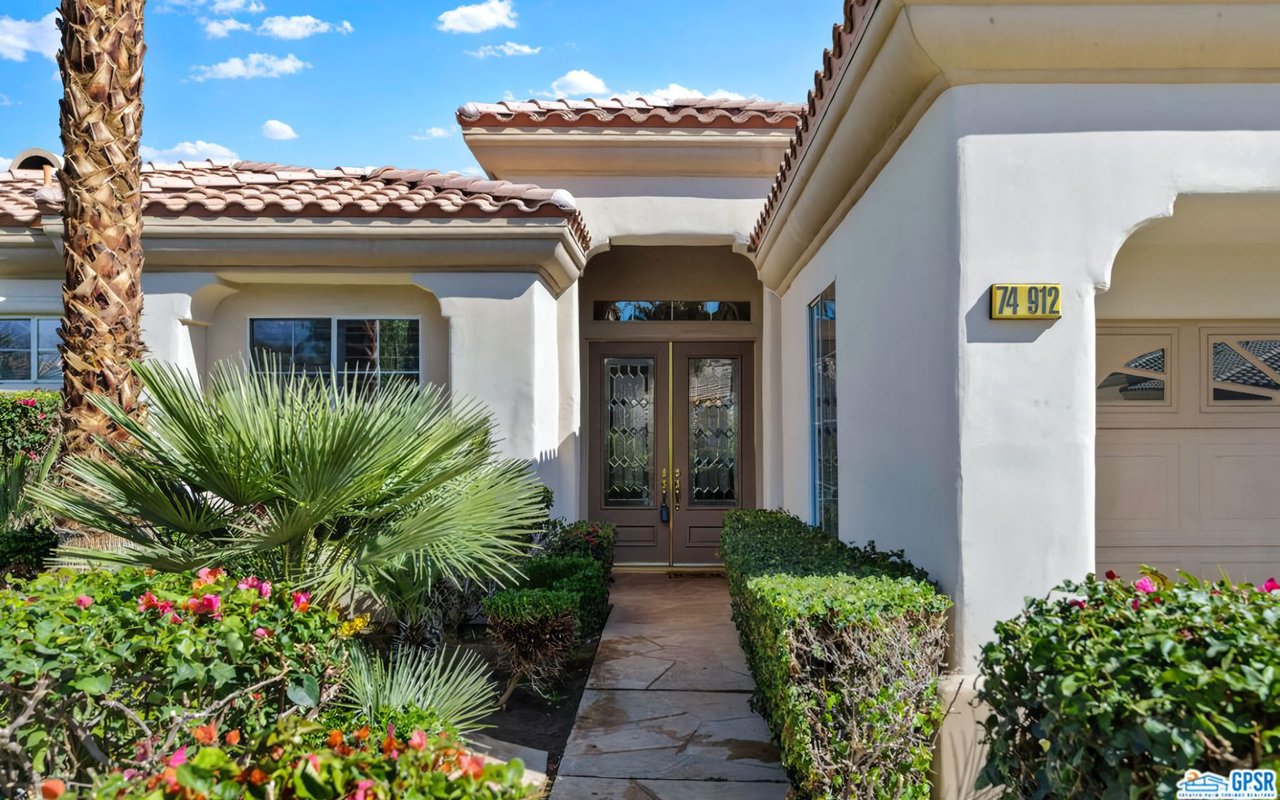
Indian Wells has a strong resort-style appeal, and the city highlights resident perks like golf, tennis, resort discounts, and resident events. That makes condos especially attractive if you want a lower-maintenance home base with easy access to the desert lifestyle.
For many buyers, the draw is simple. You may want a lock-and-leave property, less exterior upkeep, and amenities that support how you actually live. In Indian Wells, condos often line up well with those goals.
Start with your intended use
Before you compare floor plans or views, get clear on how you want to use the condo. A property that works well as a weekend retreat may not work the same way if you hope to rent it out, live there full time, or keep it mostly vacant part of the year.
That matters because in California condo ownership is shaped by both the HOA’s governing documents and common-interest-development rules. In practical terms, your ownership experience will depend heavily on the association’s costs, maintenance structure, and use restrictions.
HOA dues mean more than a monthly payment
It’s easy to look at dues as just another line item in your budget, but they deserve a closer look. HOA dues can affect your monthly cost now and your financial exposure later.
California requires an annual budget report that includes the operating budget, reserve summary, reserve funding plan, and disclosures about deferred repairs, possible special assessments, and any association loans. That gives you a much better picture of the association’s financial health than the dues amount alone.
What to review in the HOA budget
When you review the HOA documents, focus on a few core questions:
- What do the dues currently cover?
- Are there deferred repairs noted in the budget materials?
- How strong are the reserves?
- Could a special assessment be on the horizon?
The reserve summary should be based on the latest reserve study and show the estimated replacement cost, current reserve balance, and funding percentage. If reserves are thin and major components are aging, your future cost picture may look very different from today’s monthly dues.
Why reserves matter
A well-run reserve program helps an association plan for major repairs over time. California requires a reasonably competent visual inspection of reserve components at least every three years, plus an annual review of the reserve study.
For you as a buyer, that means an updated reserve package can tell you whether the HOA is planning ahead or simply reacting to problems. If the association is underfunded, owners may face larger increases or special assessments later.
Ask for condo documents early
Timing matters. You want enough time to review the disclosure package before your contingencies expire, not after.
In California, the resale disclosure package includes important details such as current regular and special assessments, unpaid assessments and fines, and collection charges. Upon written request, the association must provide the requested disclosure documents within 10 days.
Key documents to request
Ask for these items as early as possible:
- Governing documents, including the CC&Rs
- Latest HOA budget
- Reserve study
- Reserve funding summary
- Recent board minutes
- Insurance summary
These records can reveal much more than a listing description. They help you understand the true cost of ownership, possible upcoming repairs, and whether the rules fit your plans.
Understand maintenance responsibilities
One of the biggest reasons buyers choose a condo is reduced exterior maintenance. In California, the association is generally responsible for repairing, replacing, and maintaining the common area, while the owner is responsible for the separate interest and, unless the declaration says otherwise, the exclusive-use common area appurtenant to the unit.
That often means less day-to-day maintenance than a detached home, but it also means less direct control over shared elements. If the HOA controls repairs to certain exterior components, your experience depends partly on the association’s responsiveness and budget.
Questions to ask about maintenance
Do not assume you know what the HOA handles. Ask direct questions such as:
- Is the roof covered by the association?
- Are exterior walls and windows HOA responsibility?
- Who maintains balconies or patios?
- What is considered part of the unit versus common area?
These answers can affect both your costs and your expectations after closing. They also help you judge whether the asking price reflects interior condition and upgrades that the HOA will not cover.
Insurance works differently with condos
Insurance is another area where condo ownership differs from owning a single-family home. The California Department of Insurance says condo unit-owner policies typically cover personal property, loss of use, personal liability, and the interior and improvements the owner is responsible to maintain.
At the same time, the HOA’s annual insurance summary may show that the master policy does not cover your personal property or improvements. It may also state that owners can be responsible for some or all of a deductible.
Insurance questions worth asking
Before you close, review the association’s insurance summary and ask:
- What does the master policy cover?
- Are roofs, walls, windows, or balconies included?
- What deductible could be passed back to owners?
- What interior items would I need to insure myself?
This step can help you avoid unpleasant surprises later. It also gives you a more accurate picture of your full ownership costs.
Rental rules can change the value proposition
If rental income is part of your plan, this is one of the most important sections to review. In Indian Wells, short-term rental rules are not just a side note. They can directly shape whether a condo fits your goals.
The city has a specific short-term rental ordinance. According to the city, new short-term rental licenses and permits are normally tied to a 29-night minimum stay, with a 7-night minimum during the annual tennis tournament.
City rules and HOA rules both matter
Even if the city allows a certain type of rental, the HOA may have stricter limits. The city also says a homeowners association may opt out of the city’s minimum-stay rule for its development, but owners still need the required city license or permit, must pay transient occupancy tax, and must follow the rest of the ordinance.
The municipal code also requires a business license, a short-term rental permit, a 24/7 local contact, and compliance with guest and nuisance rules. The city’s rental page states that the transient occupancy tax rate is 12.25%, and owners are responsible for remittance.
What this means for buyers
In real terms, a condo in Indian Wells may be a great second home while being a poor fit for frequent short-term rental use. The deciding factor is often the combination of city rules and the HOA rulebook.
If you are buying with income potential in mind, verify the exact lease terms, rental caps, permit requirements, and any community-specific restrictions before moving forward. Assumptions can be expensive here.
Board minutes can reveal the real story
Budget reports and reserve summaries matter, but board minutes can add context you may not see elsewhere. They can reveal recurring maintenance issues, owner disputes, insurance concerns, or projects still under discussion.
Before removing contingencies, ask whether you can review the last 12 months of board minutes and any unresolved violation notices. This can give you a clearer sense of how the association operates day to day.
A simple checklist before closing
If you want a practical way to evaluate a condo in Indian Wells, start with this checklist:
- Confirm what the monthly dues cover
- Review the latest reserve study and funding percentage
- Ask whether any special assessments are approved or likely
- Verify which repairs are HOA responsibility and which are yours
- Review the association’s insurance summary and deductibles
- Check whether short-term or long-term rentals are allowed
- Read the CC&Rs for use restrictions that affect your plans
- Review recent board minutes before contingencies expire
A condo can absolutely be the right fit in Indian Wells. You just want to make sure the lifestyle benefits, monthly costs, and community rules all work together for you.
The bottom line on buying a condo
For many buyers, condo ownership in Indian Wells offers a compelling mix of lower-maintenance living, access to amenities, and a convenient lock-and-leave setup. That can be especially appealing if you want to enjoy the desert lifestyle without taking on every exterior maintenance task yourself.
The tradeoff is that dues, rules, insurance structure, and rental restrictions can materially affect the value of the property for your specific goals. When you review the documents carefully and ask the right questions early, you put yourself in a much stronger position to buy with confidence.
If you’re comparing condo communities in Indian Wells and want guidance that’s practical, local, and tailored to how you plan to use the property, Team Armstrong can help you evaluate the details that matter most.
FAQs
What should you review before buying a condo in Indian Wells?
- You should review the HOA budget, reserve study, reserve funding summary, CC&Rs, insurance summary, resale disclosures, and recent board minutes before your contingencies expire.
How do HOA reserves affect an Indian Wells condo purchase?
- HOA reserves help show whether the association is planning for major repairs or may be more likely to need higher dues or a special assessment later.
Are short-term rentals allowed for condos in Indian Wells?
- Short-term rentals depend on both city rules and the HOA’s rules, so you need to verify minimum stay requirements, permit rules, rental limits, and any community-specific restrictions.
What maintenance is the HOA responsible for in a California condo?
- In general, the association maintains common areas, while you are responsible for your separate interest and, unless the declaration says otherwise, exclusive-use common areas tied to your unit.
What insurance do you need when buying a condo in Indian Wells?
- Condo unit-owner coverage typically includes personal property, loss of use, personal liability, and interior items or improvements you are responsible to maintain, but you should review the HOA insurance summary to confirm gaps and deductibles.
Why are board minutes important when buying an Indian Wells condo?
- Board minutes can reveal pending repairs, recurring issues, insurance concerns, and other association matters that may not be obvious from the listing or budget summary alone.