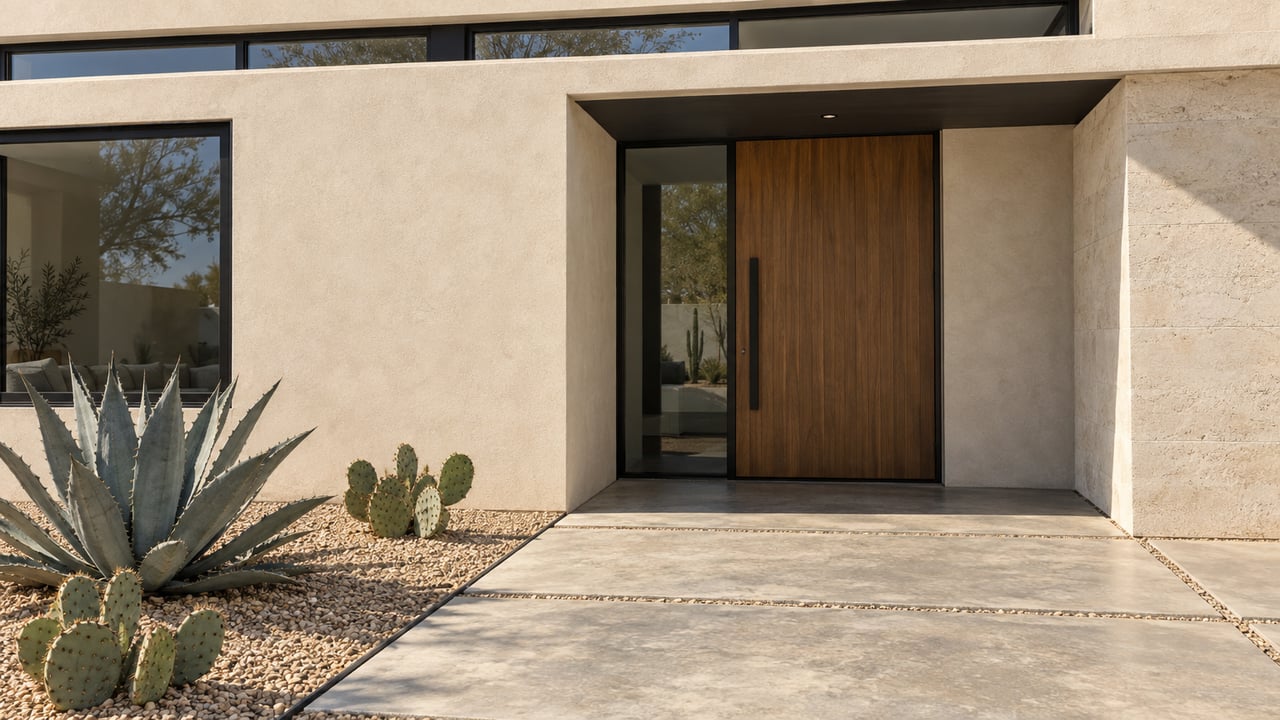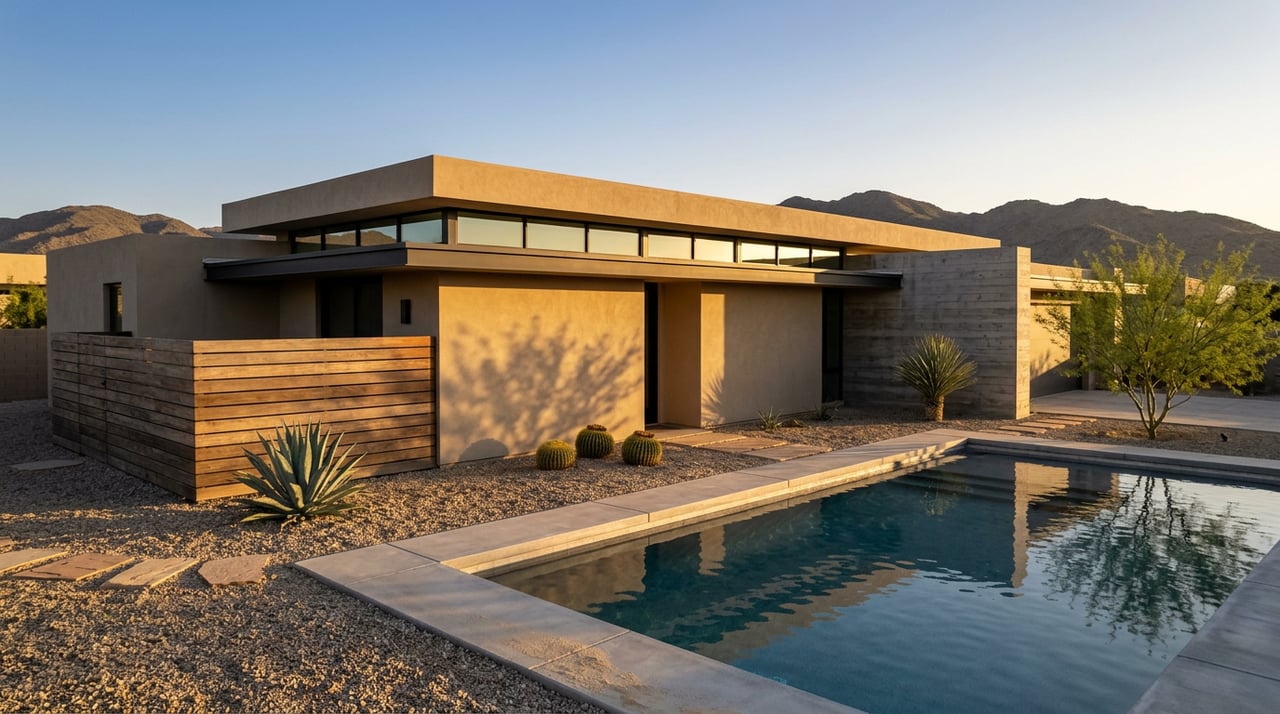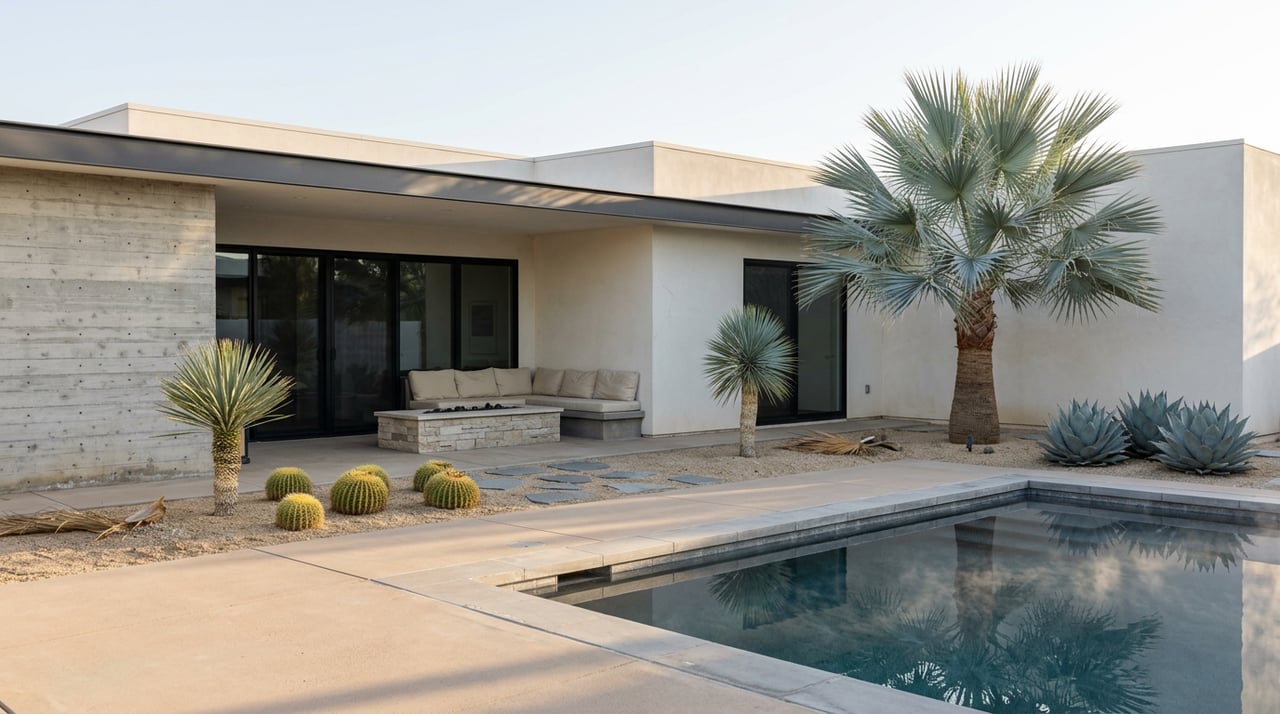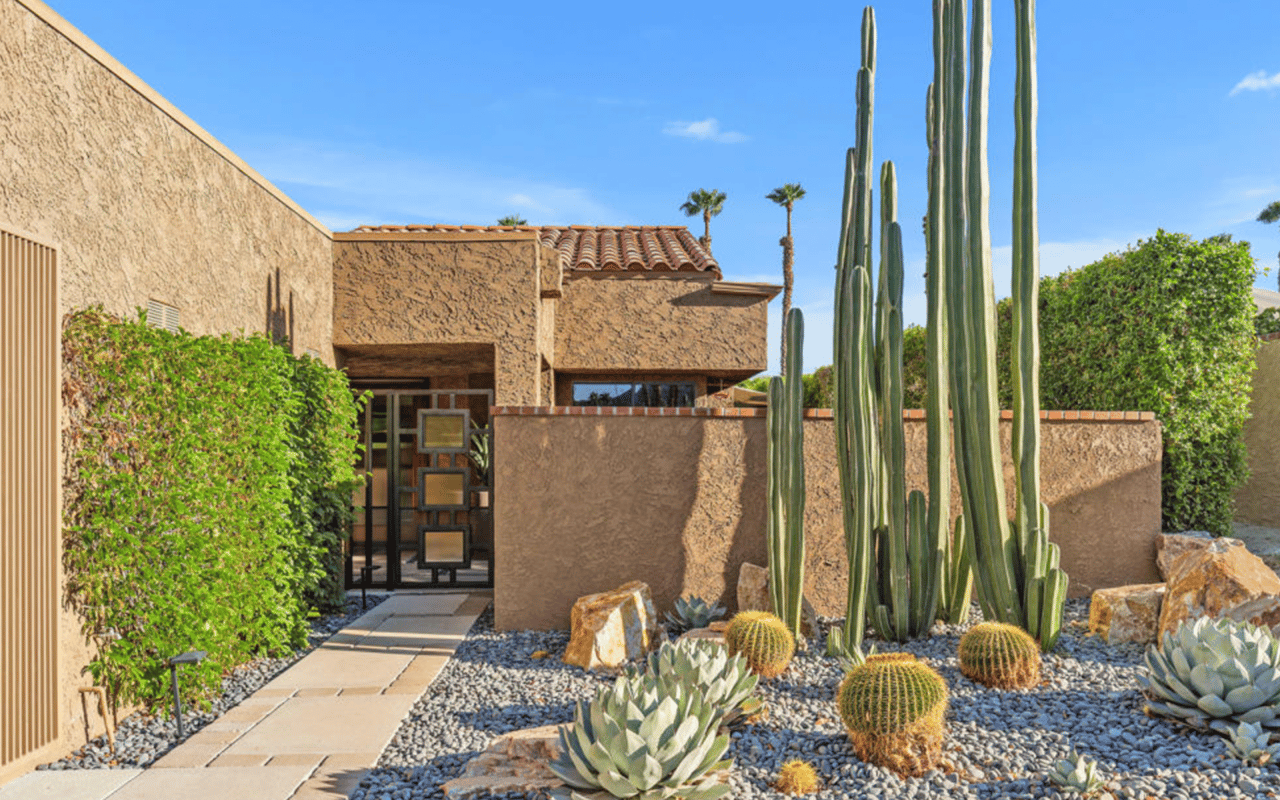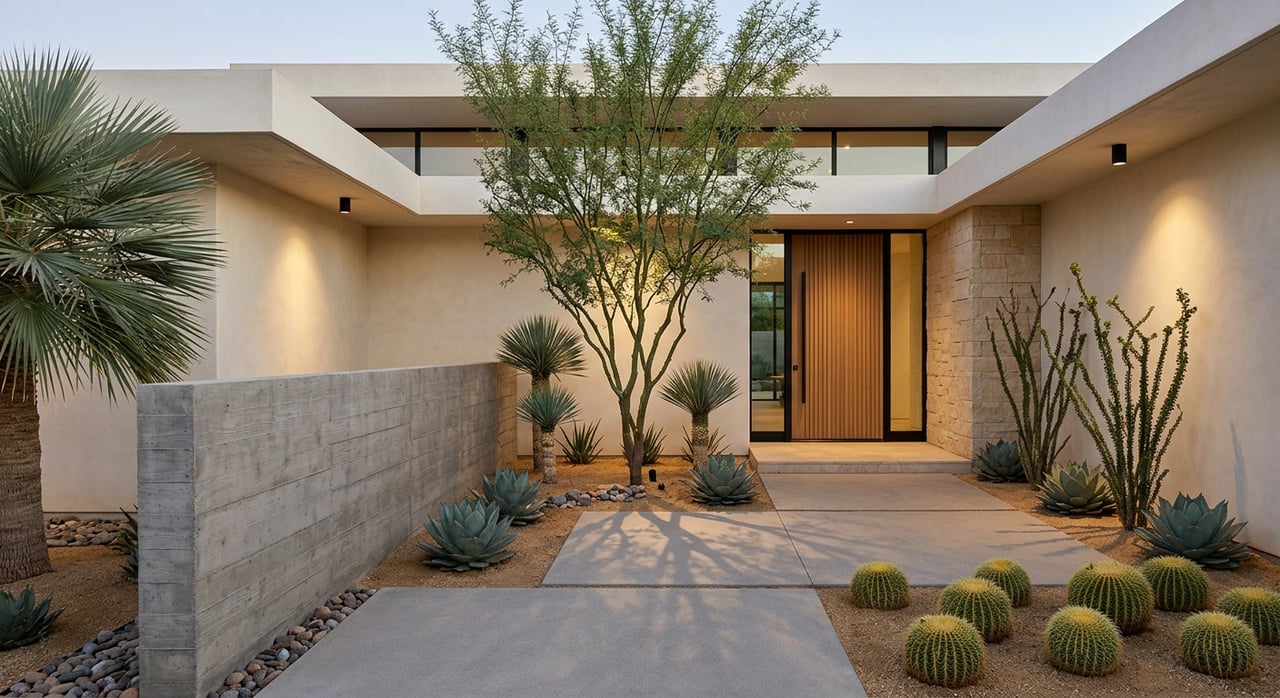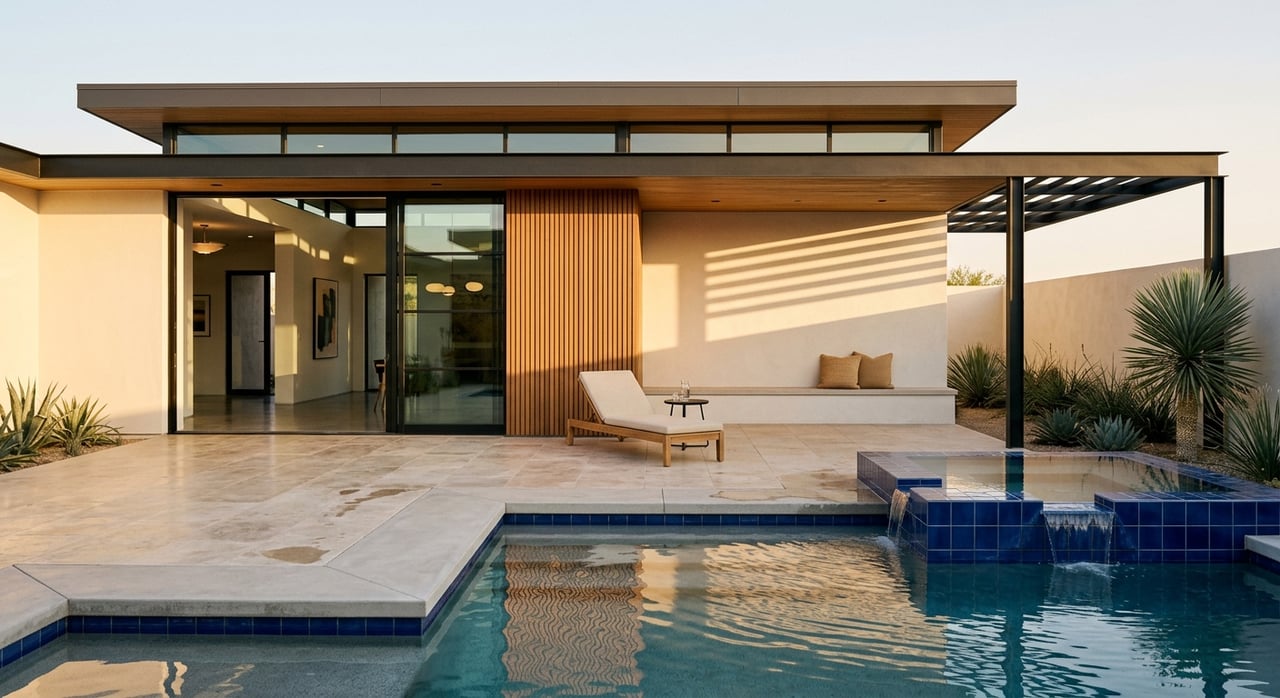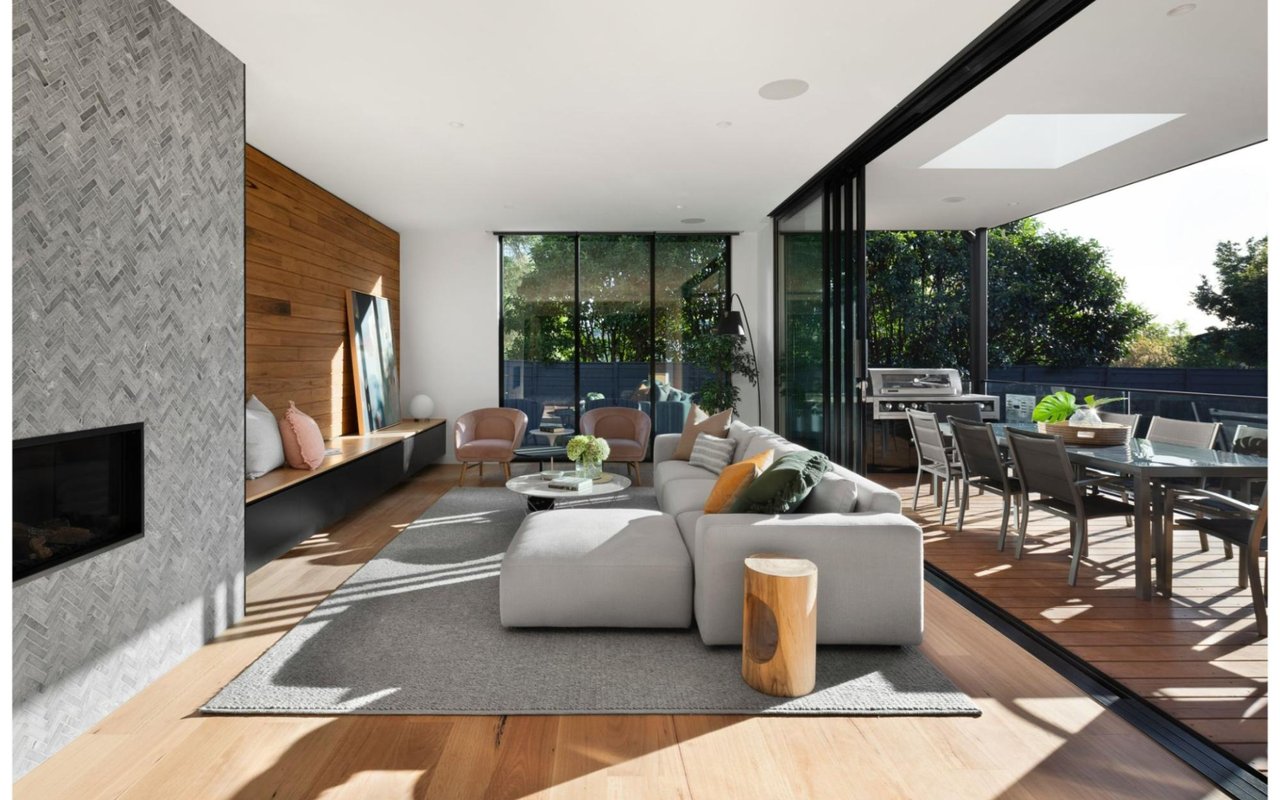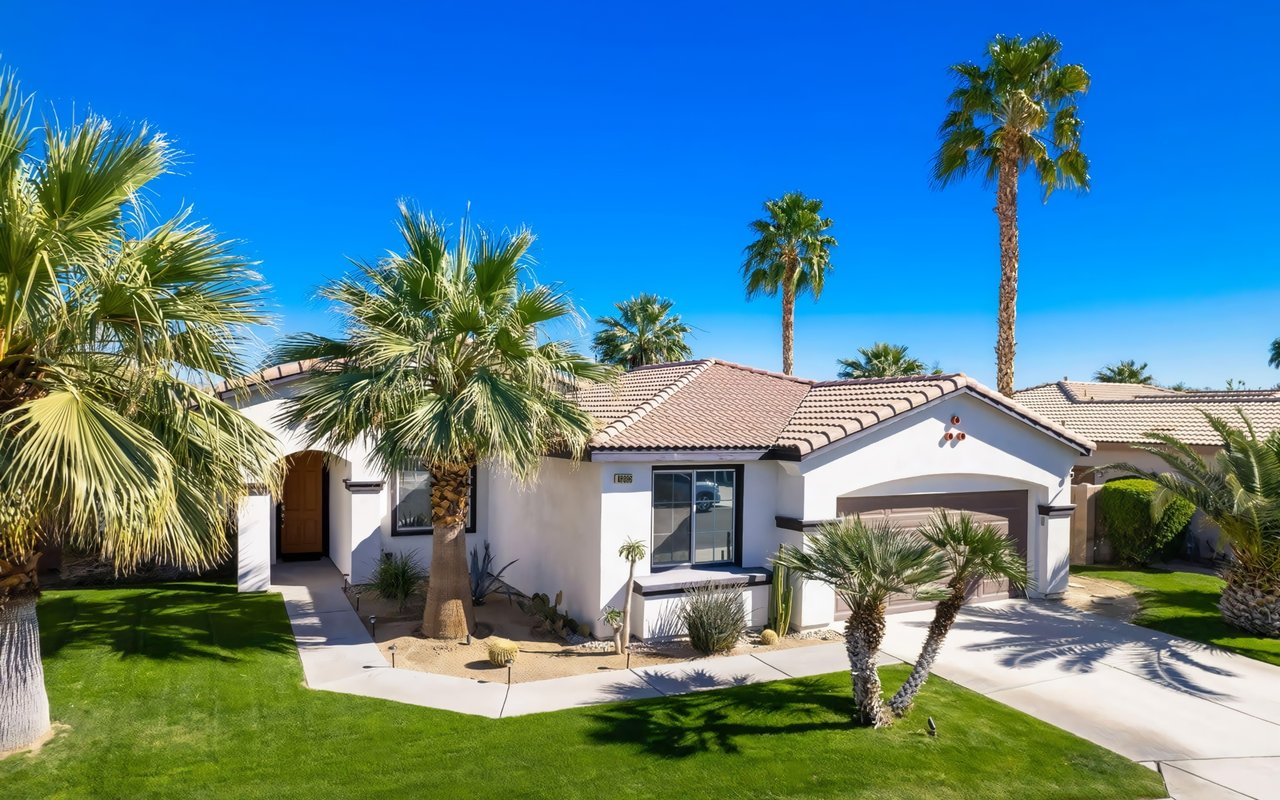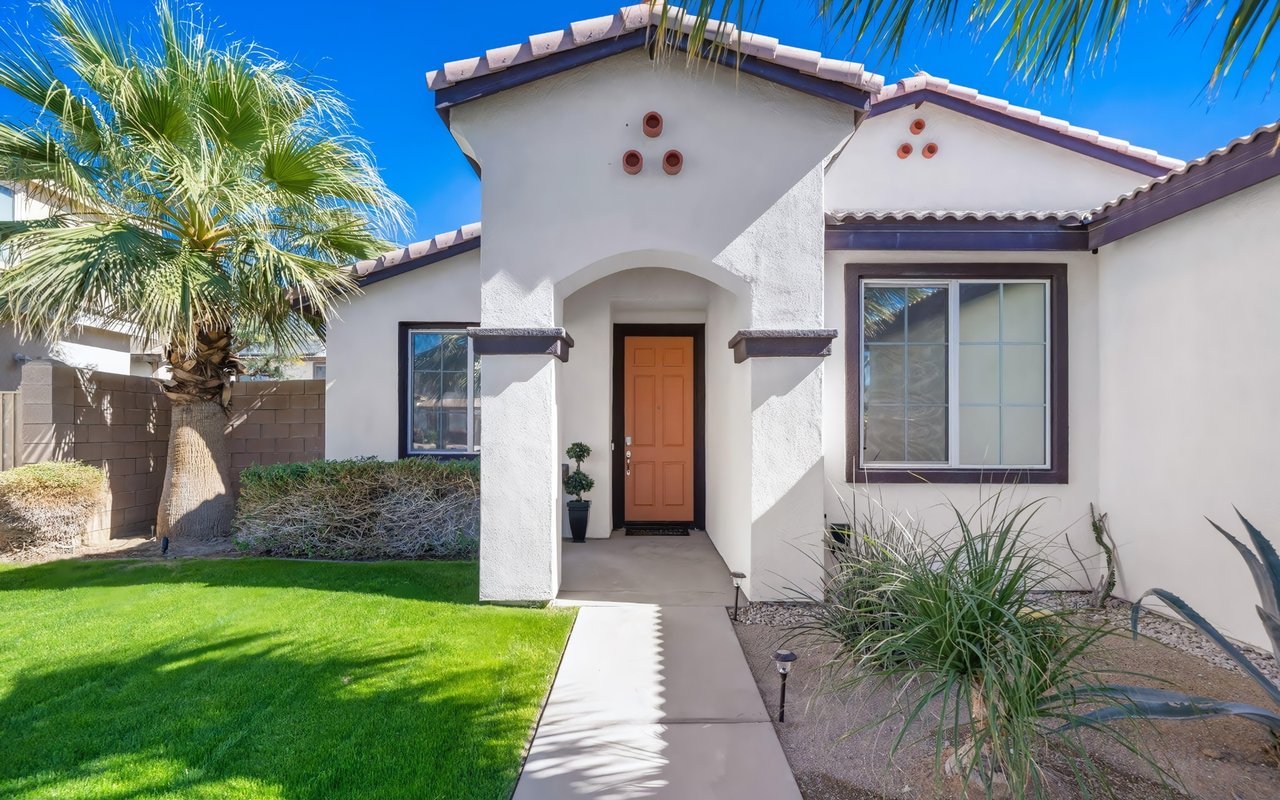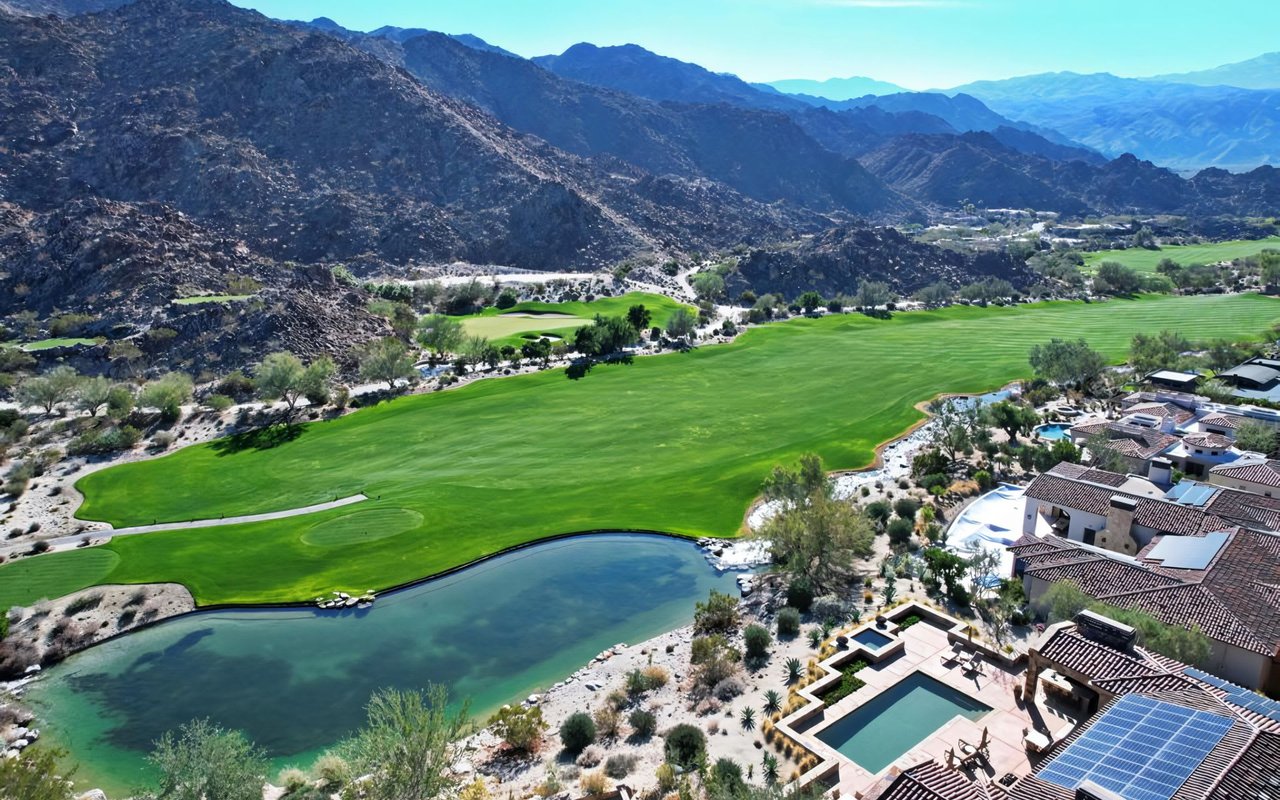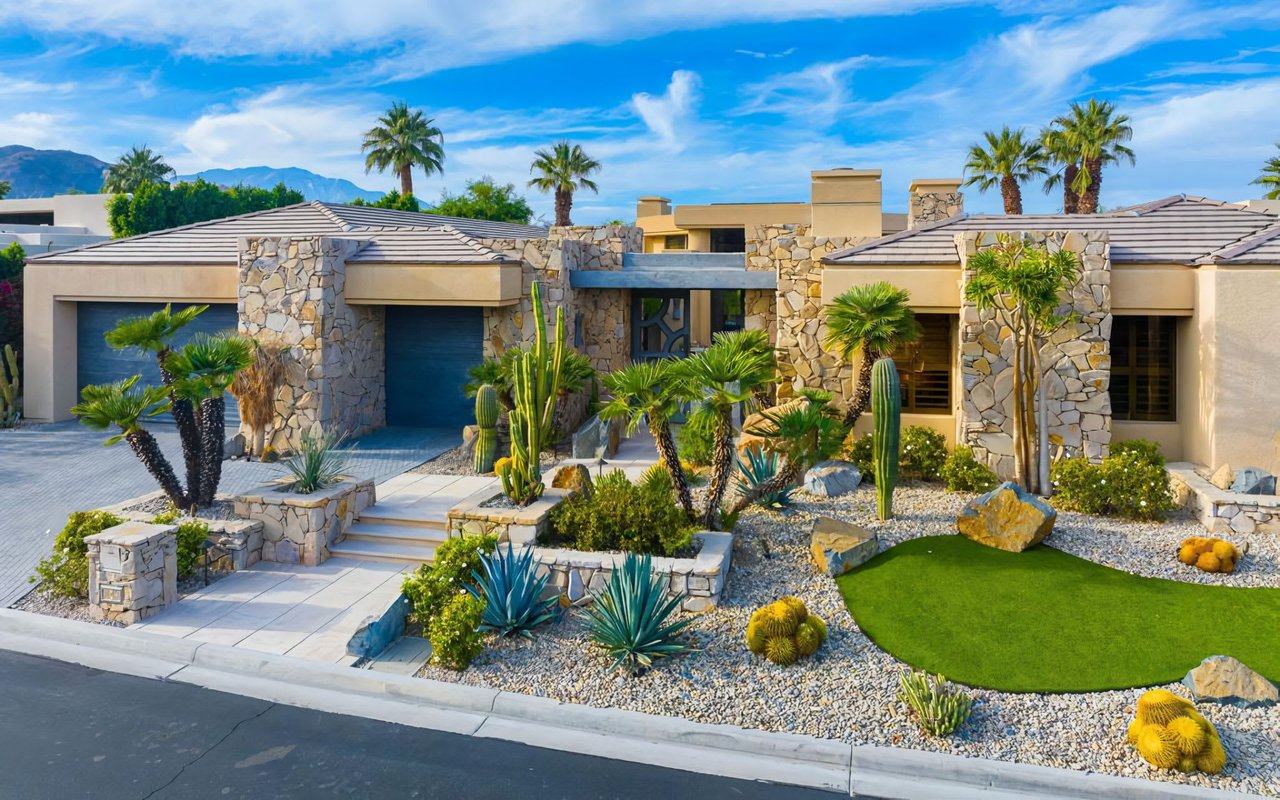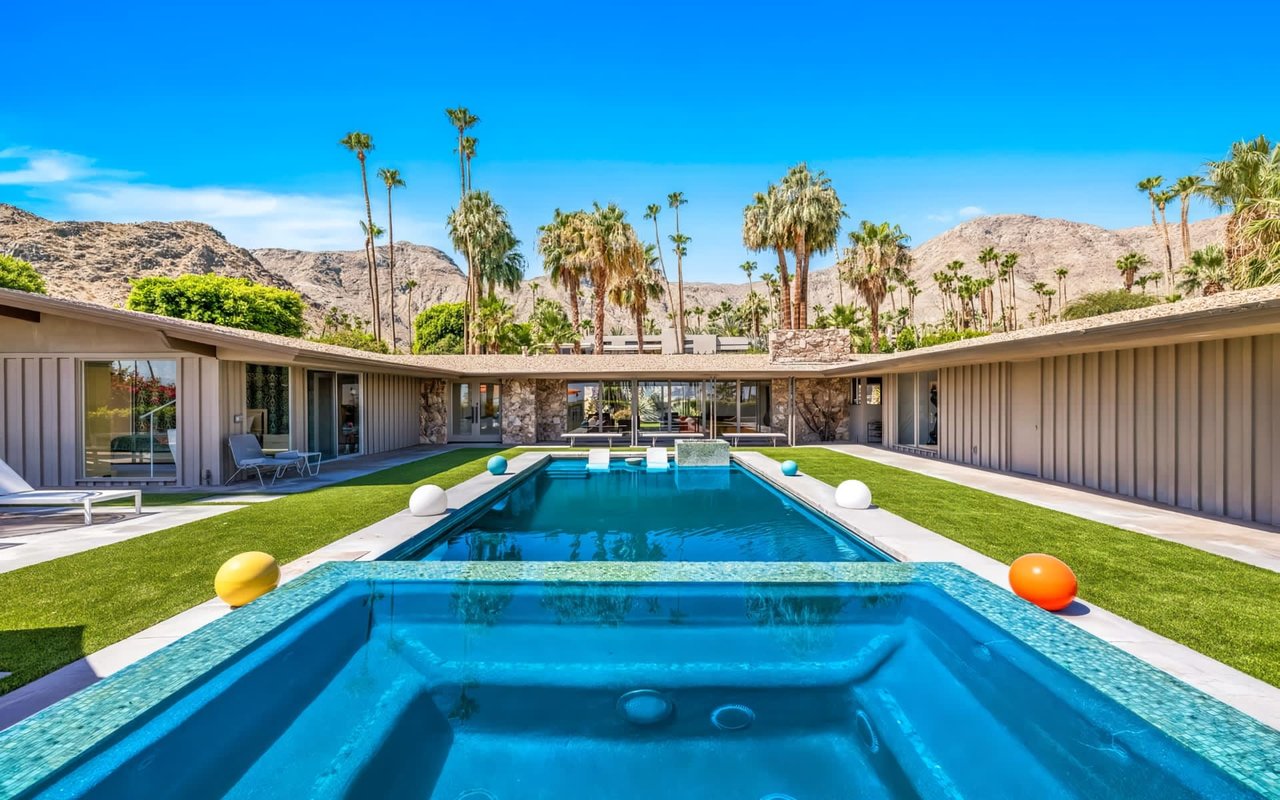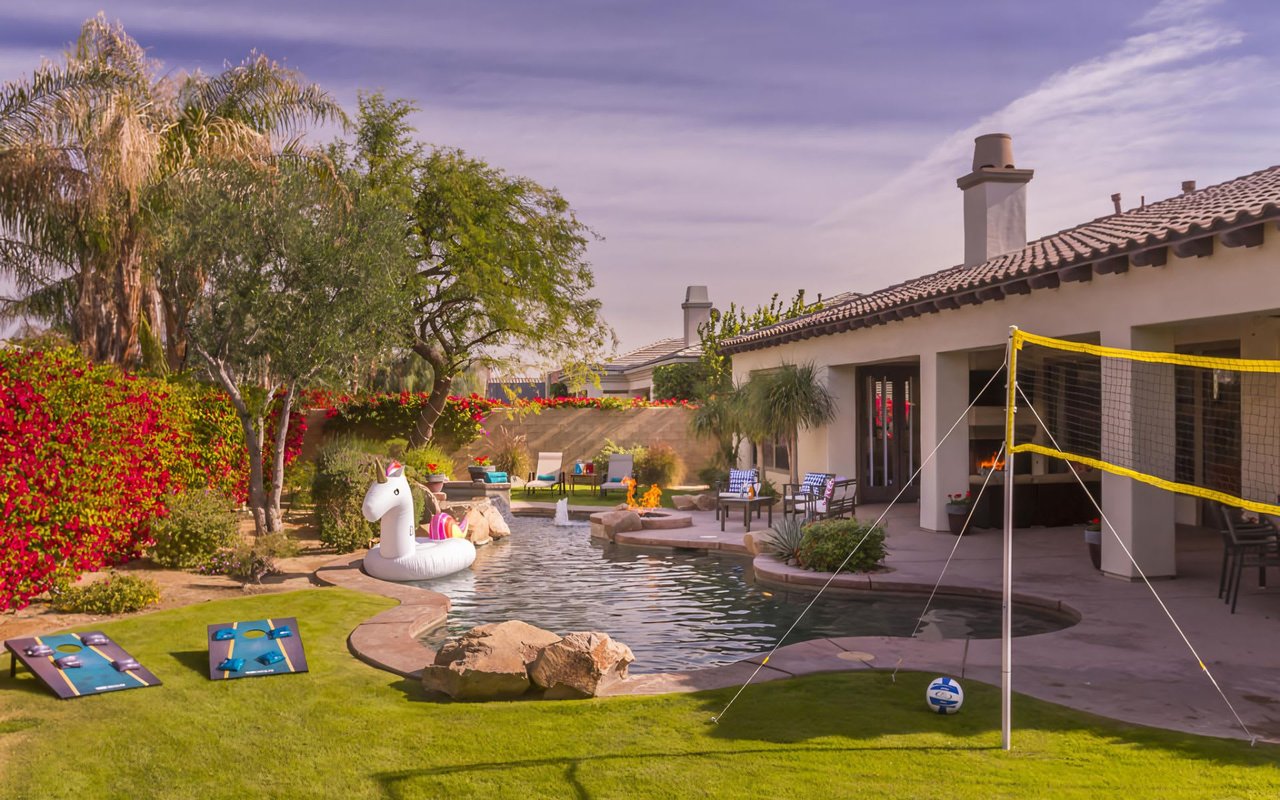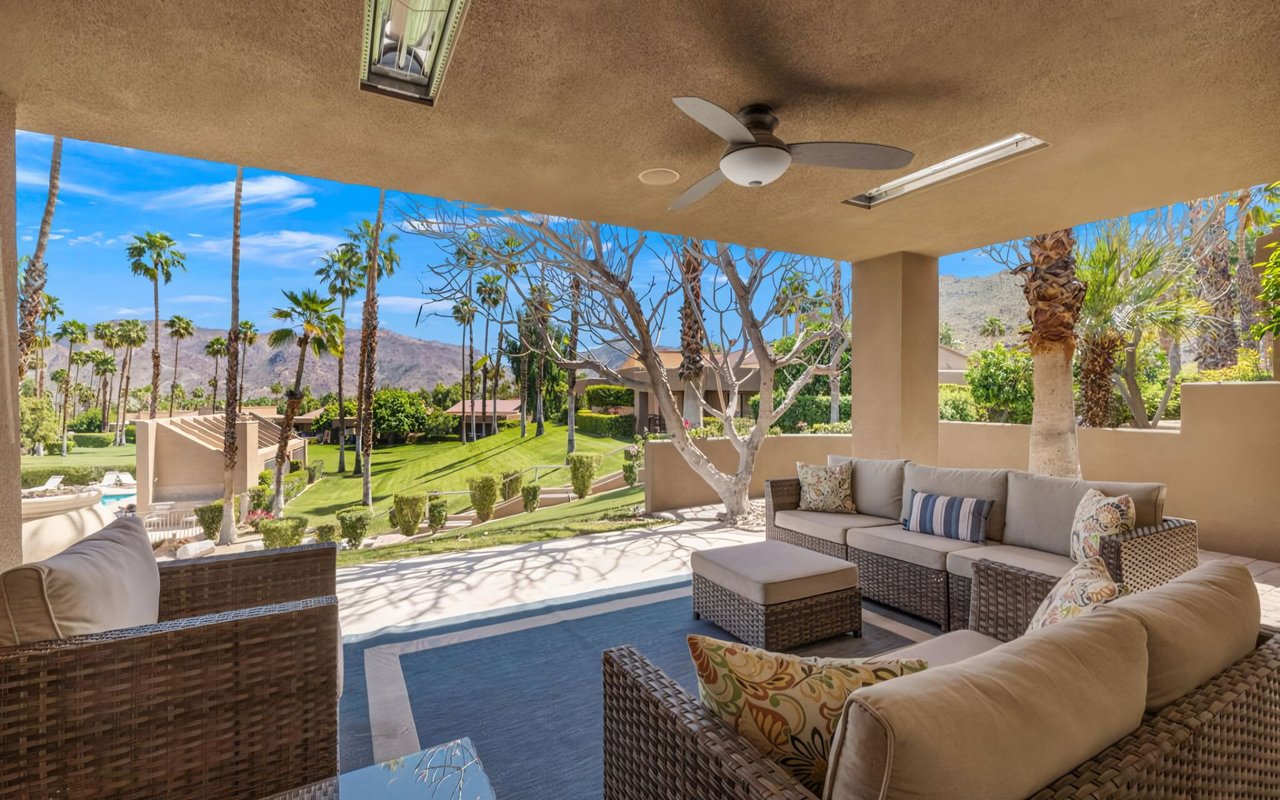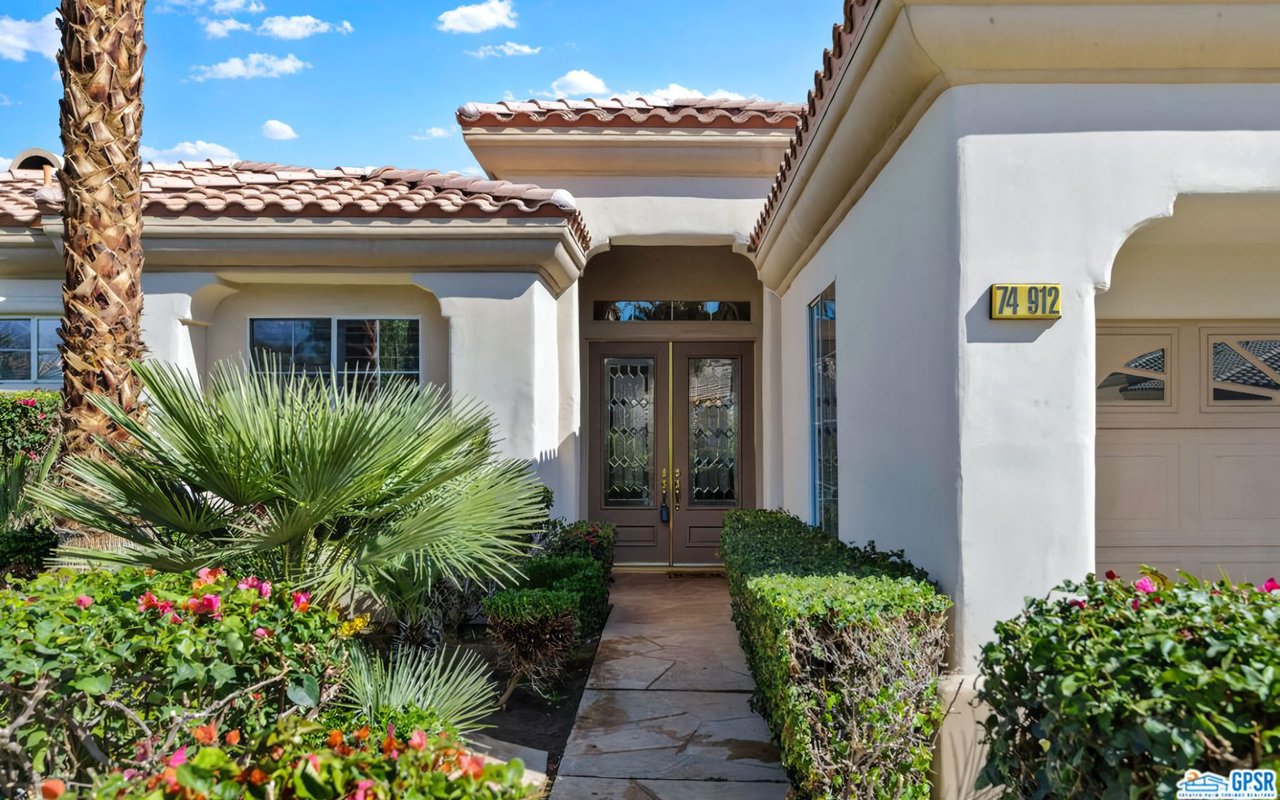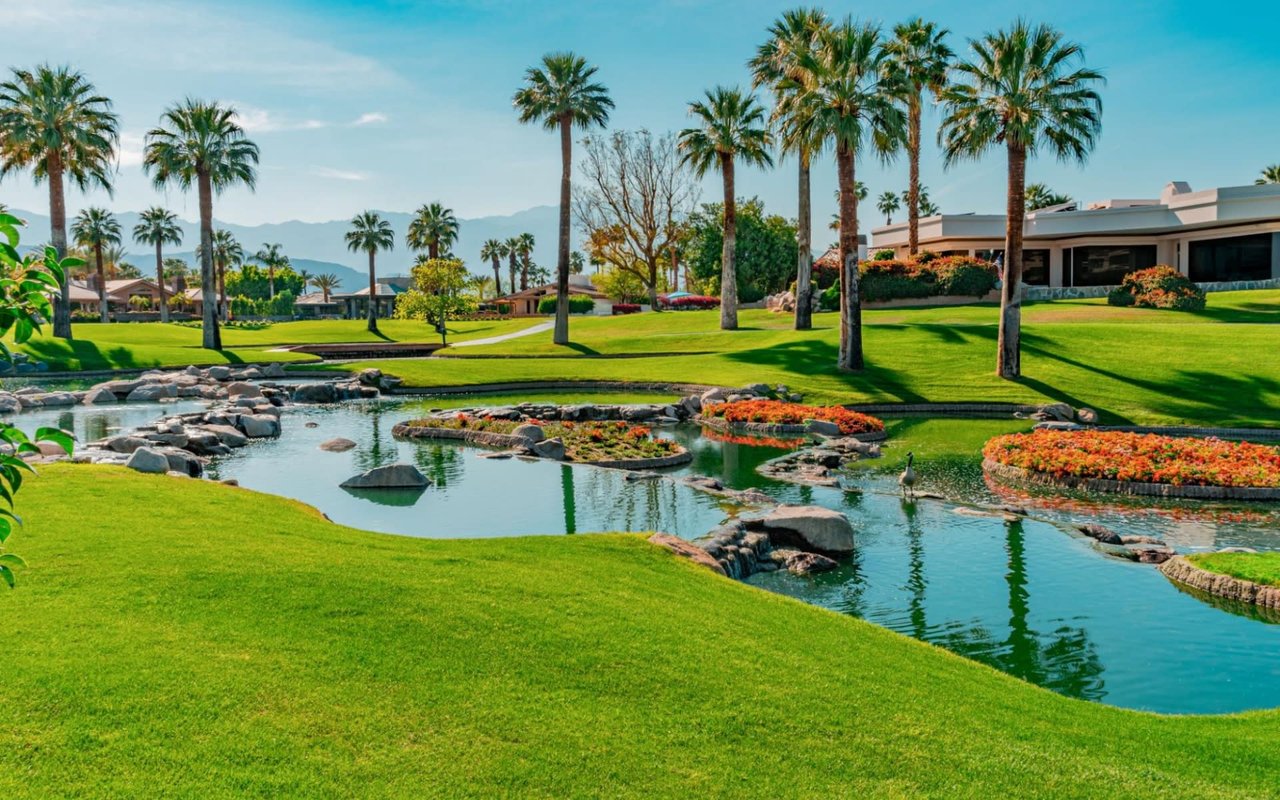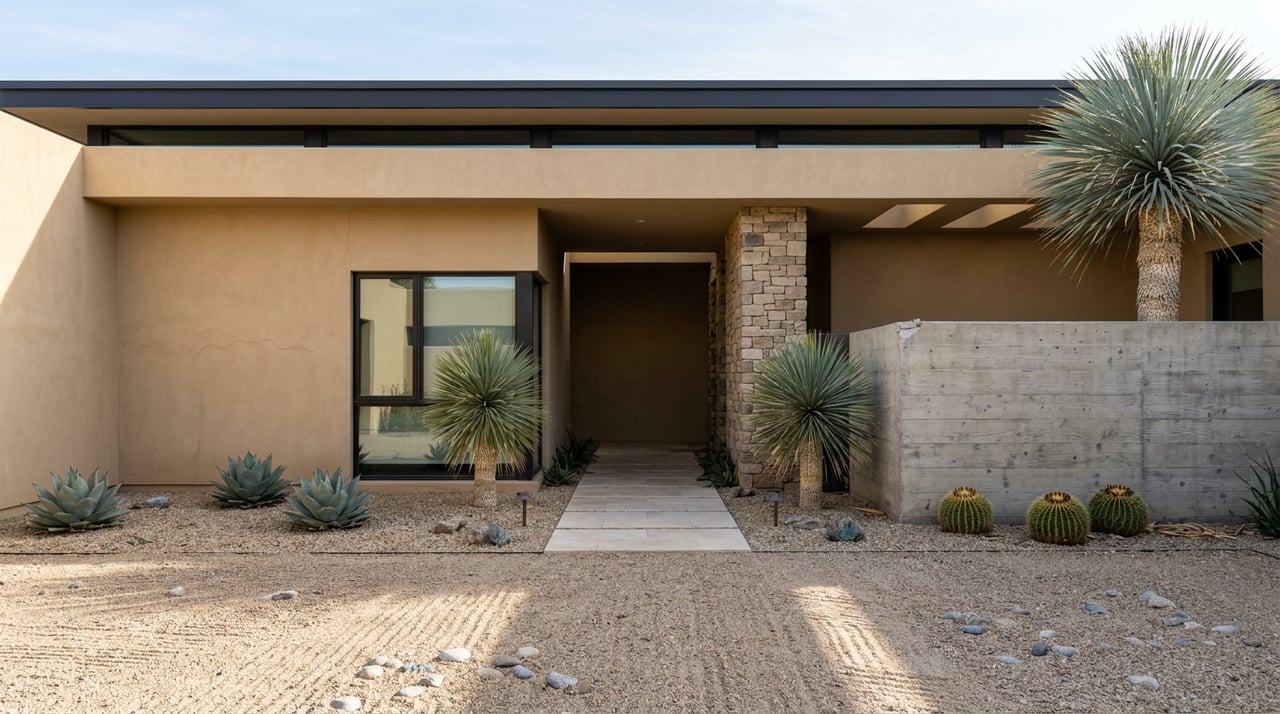
Picture two listings sitting side by side in Indian Wells, both priced at 1.8 million dollars, both on a fairway, both with mountain views out the back windows. One of them will cost you roughly 25,000 dollars a year to actually live in beyond the mortgage. The other could run past 55,000. The listing sheet will not tell you which is which. Neither will the price.
That gap is not a fluke of one unusual property. It is baked into how Indian Wells is built, city by city club by club, and it is the single most useful thing to understand before you start comparing this city to La Quinta or Rancho Mirage on price alone.
The Membership Question Nobody Asks First
Most buyers moving through Indian Wells assume that a golf community works the same way everywhere: buy the house, join the club, pay the dues. Indian Wells does not work that way. Whether membership is required, optional, or has nothing to do with the deed at all depends entirely on which gates you drive through, and the differences are large enough to change your monthly budget by thousands of dollars.
Eldorado Country Club is the clearest example, because the club says so itself. Eldorado's own website states plainly that membership is not tied to real estate in any way. You can own a home inside Eldorado's gates and never be a member, and conversely you do not need to live there to be invited to join. It is by-invitation-only, built on relationships rather than a real estate transaction, which means the home price and the club cost live in two completely separate worlds. Recent seller disclosures for Eldorado homes put the homeowners association dues near 7,168 dollars a year on land owned in fee simple, a modest number by desert country club standards, precisely because it has nothing to do with club access.
Toscana Country Club sits at the other end of the spectrum, and to its credit, it publishes the numbers rather than leaving buyers to guess. According to Toscana's own membership fact sheet, a Resident Golf membership carries a 125,000 dollar initiation fee and 3,070 dollars in monthly dues, capped at 550 members. A Resident Sports membership, which skips golf for tennis, fitness, and dining, runs a 70,000 dollar initiation fee and 1,310 dollars a month, capped at 250. Those figures sit on top of a homeowners association fee that independent local reporting places closer to 750 to 795 dollars a month, which means the club, not the HOA, is where the real cost is.
Then there is Indian Wells Country Club, the oldest of the bunch, built in 1955. Living inside its gates does not require joining the club at all. Many homes here carry very low HOA dues or none, and golf access is sold separately through the club's own membership office, with published categories that include unrestricted play on the Classic Course and time-limited access to the Cove Course depending on the season.
Three communities, three completely different relationships between the house and the club. None of that shows up in a price-per-square-foot chart.
What the Numbers Actually Line Up To
| Community | Club tied to ownership? | Published golf initiation | Published monthly dues | Typical HOA |
|---|---|---|---|---|
| Eldorado Country Club | No, invitation only | Not applicable | Not applicable | Near $7,168/year |
| Toscana Country Club | Golf membership sold separately, fact sheet published | $125,000 (Resident Golf) | $3,070 | About $750 to $795/month |
| Vintage Club | Membership tied to select ownership | Published estimates around $250,000 | Published estimates around $32,000/year | $600 to $2,400/month |
| Indian Wells Country Club | No | Sold separately by category | Inquire directly | Often low or none |
The dollar figures for Vintage Club and Toscana's HOA range come from published community estimates rather than a single club-issued sheet, so treat them as a starting point for your own verification rather than a locked-in quote. The larger point holds regardless of which exact figure is current this quarter: the club relationship, not the square footage, is what separates a 25,000 dollar year from a 55,000 dollar one.
Why the City's Own Median Keeps Moving
There is a second layer to this, and it explains why Indian Wells is one of the hardest Coachella Valley cities to price by feel. Local reporting on the Greater Palm Springs REALTORS Desert Housing Report found that for the three months ending in July 2026, average attached home prices in Indian Wells rose 42 percent year over year, the single largest swing of any city in the Valley in either direction. Desert Hot Springs, by contrast, saw attached prices fall 25 percent over the same window.
A 42 percent jump does not mean condos in Indian Wells suddenly became worth almost half again as much. It means Indian Wells sells so few attached homes in any given three month stretch that one or two closings at the high end can swing the entire city average. The same math applies to detached homes and to the city's median sale price more broadly. When your sample size is measured in single digits some months, an average is not a market signal so much as a snapshot of whoever happened to close that month.
This matters directly for anyone weighing Indian Wells against a larger city like Palm Desert or La Quinta, where monthly sales counts run high enough that the median actually behaves like a median. In Indian Wells, a headline number from any given month tells you less about the market than a walk through Toscana's fact sheet or a phone call to Eldorado's membership office.
What This Means If You Are Comparing Neighborhoods
If you are the kind of buyer who has already run the numbers on a few Coachella Valley cities and Indian Wells keeps coming out looking either surprisingly affordable or surprisingly expensive depending on the week you checked, this is why. The fix is not to find a better data source. It is to stop comparing cities on price and start comparing specific communities on total carrying cost, because that is the only number that stays honest.
Before writing an offer on anything inside a gated Indian Wells community, ask for:
- The HOA's current budget, reserve study, and any special assessment history
- Written confirmation of whether club membership is required, optional, or unconnected to the property
- The club's current initiation fee and monthly dues schedule, in writing, not a verbal estimate
- Any food and beverage minimums, cart fees, or capital assessments the club charges separately from dues
- The waitlist length for the membership category you actually want, since some categories run months and others run years
None of this is exotic due diligence. It is simply the paperwork that turns a listing price into an honest monthly number, and in a city where the club and the house can be legally and financially unrelated, skipping it is how buyers end up surprised twelve months in.
A Few Questions Worth Settling Early
Does buying a home in Indian Wells automatically get me into a country club? Not necessarily. It depends entirely on the community. Some, like Indian Wells Country Club, sell club access separately from the home. Others, like Eldorado, keep membership and real estate completely apart by design. Always confirm the specific relationship for the property you are considering rather than assuming it works the way the last community you looked at did.
Why do median price figures for Indian Wells seem to change so much month to month? Indian Wells sells a small number of homes in any given month compared to larger Valley cities, so a handful of high or low priced closings can move the average significantly. Treat any single month's citywide figure as a rough signal rather than a fixed number, and lean on community-specific data when you can get it.
Is a lower HOA fee always a better deal? Not on its own. A low HOA at a club that requires separate, substantial membership dues can add up to more than a higher HOA where club access is optional or already included. Add the HOA and any club obligation together before comparing two properties.
Understanding how a specific Indian Wells community handles club membership, HOA structure, and true carrying cost takes more than a portal search. It takes someone who has walked the paperwork with buyers who love golf and buyers who have never picked up a club, and who knows which questions save you from a surprise a year after closing. If you are comparing Indian Wells to another Coachella Valley city or trying to make sense of a specific community's numbers, Team Armstrong is glad to walk through it with you.